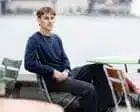
Nelio Biedermann, a 22-year-old Swiss writer born in 2003, delivers a bold debut novel with Lázár. This gothic-tinged saga confidently reimagines 20th-century Hungarian history through the lens of a noble family’s decline. As part of the emerging generation of Gen Z fiction writers, Biedermann crafts a story that spans empires, wars, and revolutions without personal recollection of these events.
Gothic Beginnings in a Turbulent Era
The novel opens in a secluded manor house near the dark forest outside Pécs, southern Hungary, during the Habsburg Empire’s final days in January. A peculiar baby, Lajos von Lázár, enters the world, destined to uphold the family name amid a lineage prone to madness and violent ends. Lajos’s birth stems from an illicit affair between the lady of the manor, Maria, and a groom who soon dies in a horse accident, burying the secret forever.
Hidden in another wing resides Imre, the baron’s insane older brother, excluded from inheritance. This fable-like setup evolves into a historical chronicle, intertwining the Lázár family’s fate with Hungary’s upheavals—from imperial collapse to fascist rule and Soviet domination.
Family Saga Through Historic Upheaval
Generations of Lázárs navigate these changes: Sándor and Maria, their children Lajos and Ilona, and Lajos’s offspring Pista and Eva, culminating in the 1956 Hungarian uprising. In just 280 pages, the narrative compresses 60 years of turmoil with brisk pacing.
Translated into English, Lázár evokes an atmosphere of hidden secrets, repression, and intense sexuality. Characters grapple with love, loss, trauma, and desire against off-stage historic shifts. Patriarch Sándor finds fleeting escape in an affair with the alluring yet unkempt Mrs. Virág, immersing himself in her scent and form to momentarily forget poor harvests, Balkan tensions, Russian threats, and imperial decay.
Vivid Characters and Literary Depth
A vibrant supporting cast enlivens the tale: eccentric servants, tutors, an idealistic priest, a psychoanalyst aiding Lajos with trauma, and even a glimpse of Joseph Stalin. Biedermann, whose paternal ancestors hail from Hungary, blends personal heritage with literary nods to E.T.A. Hoffmann, Virginia Woolf, Marcel Proust, James Joyce, and Thomas Mann.
Strengths and Minor Flaws
The novel shines in its eccentric illumination of overlooked 20th-century history, blending mood, introspection, and backstory. Yet its episodic structure yields static snapshots over dynamic progression, with dialogue lacking lively exchange. Mysteries like Uncle Imre’s role and Lajos’s eerie appearance remain underdeveloped.
Despite these uneven moments, Lázár showcases a promising talent positioning itself in a rich literary tradition. Readers will eagerly anticipate Biedermann’s future works.