On February 2, as Punxsutawney Phil emerges at sunrise to predict winter’s length based on his shadow, residents of Newfoundland and Labrador observe their own longstanding customs tied to the day. Though groundhogs are absent from the island, local traditions rooted in the Christian Feast of the Presentation of the Lord offer unique ways to mark the occasion.
The Religious Significance of Candlemas
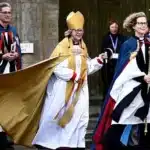
The feast commemorates Mary and Joseph presenting the infant Jesus at the temple in Jerusalem, following Jewish tradition. During the Middle Ages and early modern era, it was widely known as Candlemas. Priests blessed the church’s yearly candle supply, symbolizing the light Jesus brought to the world. Parishioners received these candles for hymns or processions, then took them home for protection and good fortune.
Women used the blessed candles to safeguard children and homes, dripping sacred wax onto children’s caps, work clothes, and household items. This practice persists in areas like St. Mary’s Bay. Fishermen carried candles to sea, lighting them during storms to protect their vessels. In regions such as Fogo and the Bay of Islands, clear weather on Candlemas signaled a prosperous summer fishery.
In the 19th and early 20th centuries, Candlemas held such importance in the Dominion of Newfoundland that it became a statutory holiday. Businesses shut down, and even servants enjoyed the day off.
Secular Festivities and the Midwinter Milestone
Falling midway between the winter solstice and spring equinox, Candlemas served as a moment to celebrate winter’s midpoint and anticipate spring’s arrival. As new candles prepared for the year ahead, old winter ones were stored away. Though daylight returned gradually since December 21, the day marked a seasonal turning point, allowing late afternoon tasks under natural light.
Avalon Peninsula residents recited a rhyme, possibly from southeastern Ireland: “Candles and candlesticks, put you away, And eat your supper by the light of the day.” Communities shook off winter’s gloom with parties, parades, and dances. These gatherings, often called Candlemas Cakes, centered on baking a shared fruitcake.
Men enhanced weekly card games by betting ingredients like flour, molasses, and raisins instead of cash. Weekly losers supplied their portion, and on Candlemas, the group convened with wives at one home to savor the cake, typically baked by the women despite their exclusion from the games.
The tradition of pooling resources for a communal meal addressed midwinter rationing needs. In Port au Port Peninsula’s francophone communities, La Chandeleur—the French term for Candlemas—featured a selected “Candlemas king” collecting contributions door-to-door. He tied ribbons to a pole for each donation. That evening, the community dined together, followed by dances led by the king, his ribboned pole symbolizing collective effort during lean times.
Weather Predictions Without Groundhogs
Locals used February 2 to forecast remaining winter weather, drawing from English and Scottish verses. A poem from 1678, remembered into the 1960s, stated: “If Candlemas day be fair and bright, Winter will have another flight. If on Candlemas day it be shower and rain, Winter is gone and will not come again.”
This inverse logic mirrors Groundhog Day: a sunny day with a shadow means more winter, while clouds promise early spring. Yet a local Newfoundland and Labrador rhyme reversed the outlook: “If Candlemas Day be bright and fine, The worst of the winter is left behind. If Candlemas Day be rough and grum, The worst of the winter is yet to come.”
With both interpretations available, optimism prevails regardless of the weather—clear skies end the harsh season, while storms suggest its close. Candlemas reminds communities of enduring light, warmth, and solidarity amid winter’s challenges.