Pavlo Gonchar | Sopa Pictures | Lightrocket | Getty Pictures
Nexstar Media Group closed its acquisition of fellow broadcast station group proprietor Tegna after sealing regulatory approval, regardless of antitrust lawsuits filed in opposition to the deal in latest days.
Nexstar’s $6.2 billion merger with Tegna brings collectively greater than 260 native broadcast TV affiliate stations throughout the U.S.
Nexstar and Tegna, like different broadcast station group friends, have been seeking to consolidate because the trade faces the identical challenges as its cable and leisure media counterparts — specifically the drop in pay-TV clients because of the rise of streaming and tech choices.
“This transaction is important to sustaining sturdy native journalism within the communities we serve. By bringing these two excellent corporations collectively, Nexstar can be a stronger, extra dynamic enterprise—higher positioned to ship distinctive journalism and native programming with enhanced property, capabilities, and expertise,” Nexstar CEO Perry Sook mentioned in a assertion.
“We’re grateful to President Trump, [FCC] Chairman Carr, and the DOJ for recognizing the dynamic forces shaping the media panorama and enabling this transaction to maneuver ahead.”
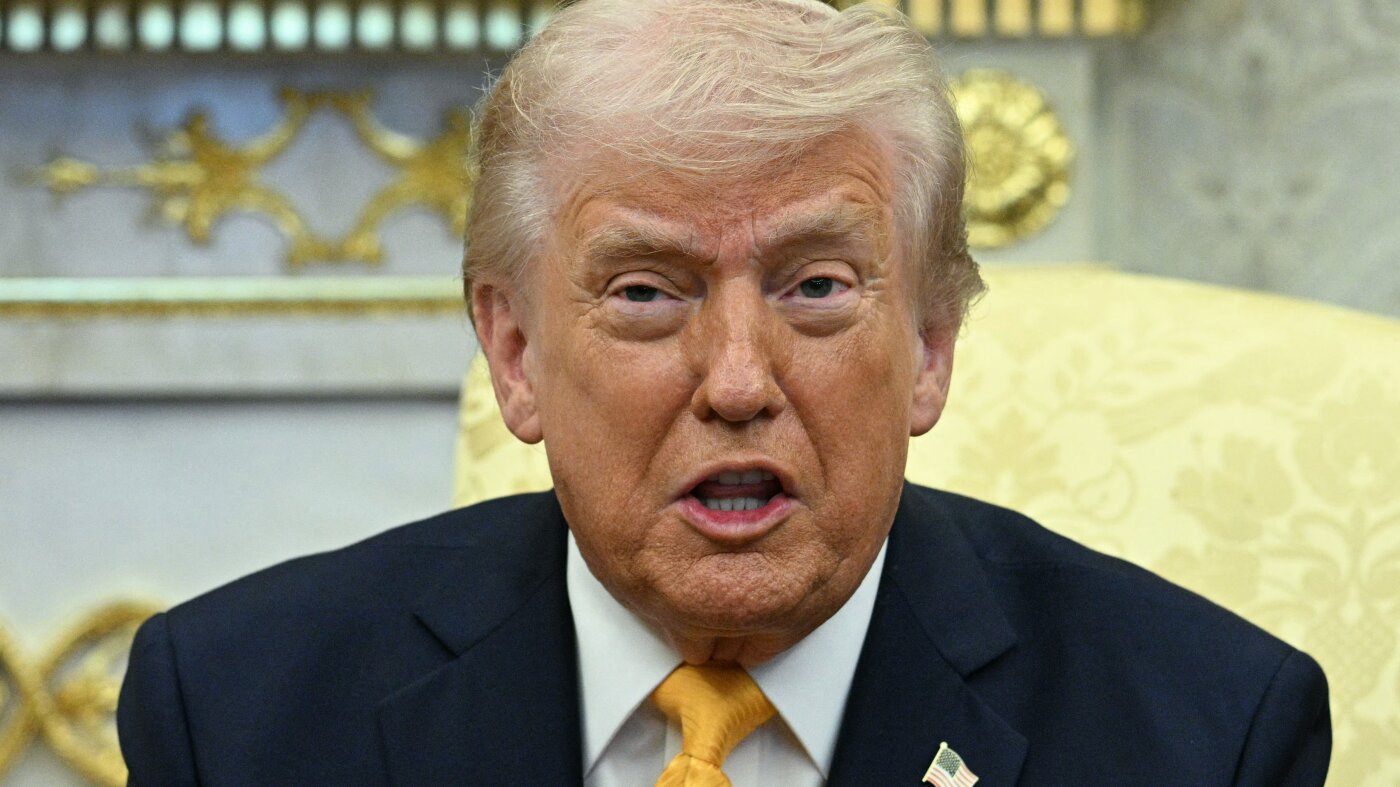
In February, President Donald Trump endorsed the merger between Nexstar and Tegna in a TruthSocial submit after months of criticism concerning the potential results of the deal.
The proposed acquisition, which was introduced in August, had been anticipated to shut within the second half of 2026.
Broadcast station homeowners run the affiliate stations of the main networks like ABC, CBS, NBC and Fox, and are recognized for airing native information, sports activities and different broadcast content material. The businesses stay worthwhile because of hefty charges they obtain from pay-TV distributors, and have argued that consolidation would protect native TV information.
Nonetheless, decades-old legal guidelines have prevented such mergers from occurring lately.
The greenlight from the FCC and DOJ permits the deal to undergo by waiving legislation that stops anyone firm from proudly owning broadcast stations that attain greater than 39% of the U.S. TV households.
Nonetheless, in latest days two federal antitrust lawsuits have been filed in a transfer to dam the merger — one from lawyer generals in eight states, together with California and New York, and one other from satellite tv for pc and streaming TV supplier DirecTV.
The lawsuits every argue that the mixture is anticompetitive and would drive up buyer prices, scale back competitors, result in the closure of native newsrooms and trigger TV blackouts of stations because of carriage fights with distributors over pricing.
“DIRECTV helps the motion taken by the states and has decided it’s vital to hitch this effort to guard competitors and customers,” mentioned Michael Hartman, normal counsel and chief exterior affairs officer at DirecTV in a launch. “We now have constantly made clear that this merger is anti-competitive and never within the public curiosity and, if it goes ahead, will set off a wave of comparable consolidation.”