Key Findings on Primate Social Behavior
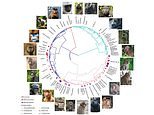
New research examining 491 primate species has identified a potential evolutionary purpose for same-sex sexual behavior (SSB). The study found increased SSB occurrences in species inhabiting challenging environments with scarce resources or high predator density.
Environmental and Social Correlations
Analysis revealed primates demonstrate more frequent SSB when living in complex social structures with significant gender size disparities. Harsher ecological conditions—including arid habitats and resource scarcity—also correlated strongly with observed same-sex interactions.
“These behaviors likely evolved as adaptive strategies to strengthen group cohesion during environmental challenges,” stated Professor Vincent Savolainen, co-author of the study published in Nature Ecology & Evolution. “Trust-based social networks prove critical for predator warnings and communal survival.”
Research Methodology and Scope
The comprehensive review examined documented SSB across 59 primate species, including rhesus macaques where previous genetic studies indicated approximately 6.4% heritability. However, current findings emphasize environmental and social dynamics as primary drivers over genetic predisposition alone.
Broader Implications
While not directly addressing human evolution, the research opens new avenues for psychological and anthropological investigation. Scientists note SSB has been documented in over 1,500 animal species—from dolphins to beetles—often emerging during ecological stress or mate scarcity.
Observations in chimpanzees and bonobos show SSB intensifying during environmental hardships. Male burying beetles similarly engage in same-sex mating when female partners are unavailable, suggesting evolutionary advantages outweighing reproductive opportunity costs in specific contexts.
Future Research Directions
Professor Savolainen plans expanded studies on macaque populations to quantify SSB’s impact on survival rates and longevity. Current theories propose these behaviors foster indirect genetic propagation through enhanced group protection of relatives’ offspring—a phenomenon observed in species like wolves and elephants.
Scientific consensus maintains that same-sex behavior constitutes a natural, widespread adaptive strategy rather than biological anomaly. Ongoing research continues to refine understanding of its evolutionary prevalence across species.