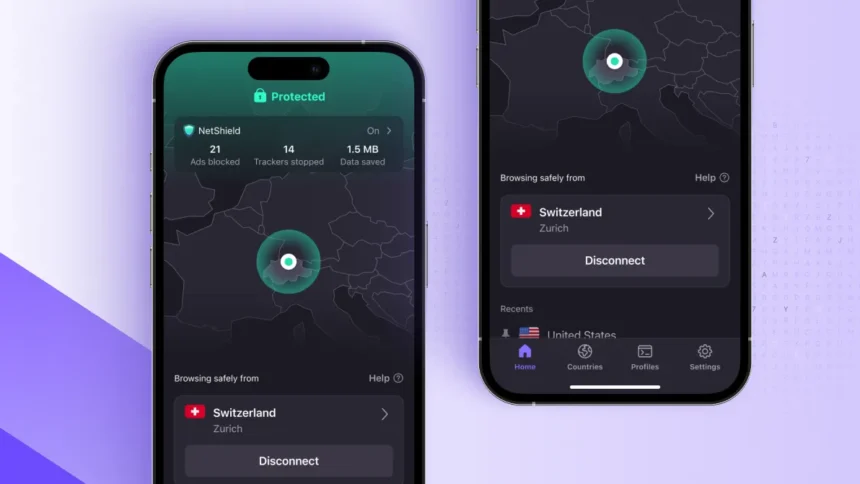
Proton VPN has quietly rolled out a significant internal upgrade, dubbed ‘Proton Protocols,’ which fundamentally rebuilds the client-side architecture based on the WireGuard codebase. This overhaul aims to enhance performance, improve connection stability, and bolster anti-censorship capabilities for users worldwide. The update, initially discovered in the release notes for version 5.1.5 of the Windows application, represents a foundational shift designed to unify the user experience and feature set across all operating systems.
Under-the-Hood Improvements for Enhanced Performance
The core of the ‘Proton Protocols’ upgrade is a complete client-side rebuild of the existing WireGuard framework. This means the way the Proton VPN application communicates with its global server network has been entirely re-engineered. For end-users, this translates into tangible benefits, including noticeably quicker and more stable connections. The new architecture is designed to reduce the time it takes to establish a secure VPN tunnel, making the service feel more responsive.
Key enhancements introduced with Proton Protocols include:
- Automatic Network Conflict Detection: This smart feature identifies when other software on a user’s device, such as stringent firewalls or third-party antivirus programs, might be interfering with the VPN connection. By detecting these conflicts, the system can help resolve them, preventing dropped connections or inability to connect.
- Improved Server Connection Speeds: The rebuilt codebase is optimized to establish connections with Proton VPN servers more rapidly than before.
- In-App Connection Rating System: To gather valuable user feedback and help refine the service, Proton VPN has introduced a direct connection feedback tool. Users can now provide a simple thumbs up or thumbs down rating on their connection quality directly within the application interface.
Strengthening Anti-Censorship and Future-Proofing
Beyond performance gains, Proton Protocols plays a crucial role in strengthening Proton VPN’s ability to bypass online censorship. In regions with restrictive internet policies, maintaining access to an open and free web is paramount. By re-architecting the underlying code, Proton VPN is enhancing its anti-censorship tools, aiming to ensure that journalists, activists, and everyday users can access information and communicate freely and securely.
A spokesperson for Proton VPN explained that the new codebase is more adaptable and easier to integrate across different platforms and environments. This standardization allows for improved feature parity, meaning users on various operating systems will benefit from a more consistent experience. For instance, the company highlighted that this rebuild has enabled the deployment of the Stealth protocol to Linux and is laying the groundwork for future security advancements.
The spokesperson further elaborated on the long-term vision:
“For example, it has allowed Proton VPN to bring the Stealth protocol to Linux, improve anti-censorship capabilities, and lay the groundwork for post-quantum encryption.”
This forward-thinking approach includes preparing the platform for emerging security threats, such as those posed by quantum computing. The development team also benefits from the new architecture, as it simplifies the process of diagnosing and fixing issues within the applications, ultimately unlocking the next generation of Proton VPN performance.
Broader Rollout and Quality-of-Life Updates
While the Proton Protocols upgrade is a major development, the version 5.1.5 release for Windows also includes several quality-of-life improvements. These address specific user-reported issues, such as a bug that could leave DNS rules active after a VPN disconnection, potentially blocking regular web browsing. Additionally, a reconnection flaw affecting users with IPv6 connectivity has been patched.
The new architecture is currently in a beta phase, available for Windows, Android, and Linux users. Proton VPN has indicated that support for Apple platforms is forthcoming. This phased rollout allows the company to gather feedback and ensure a smooth transition for all users.
Why the Underlying Architecture Matters
When selecting a VPN service, the server count and feature list are often primary considerations. However, the underlying technology and architecture are equally critical for ensuring robust security, reliable performance, and effective bypassing of restrictions. Proton VPN’s investment in rebuilding its core protocols demonstrates a commitment to not just expanding its network but also to refining the fundamental technology that powers its service. This strategic move aims to provide a more secure, faster, and versatile VPN experience, positioning Proton VPN as a leader in privacy and digital security.
Proton VPN, known for its privacy-centric approach, has consistently invested in improving its offerings. Prior to this major protocol upgrade, the provider had focused on features like split tunneling, enhancing overall stability, and broadening compatibility, particularly for Linux users. With subscriptions starting at competitive rates and backed by a 30-day money-back guarantee, the company continues to prioritize user trust and satisfaction.