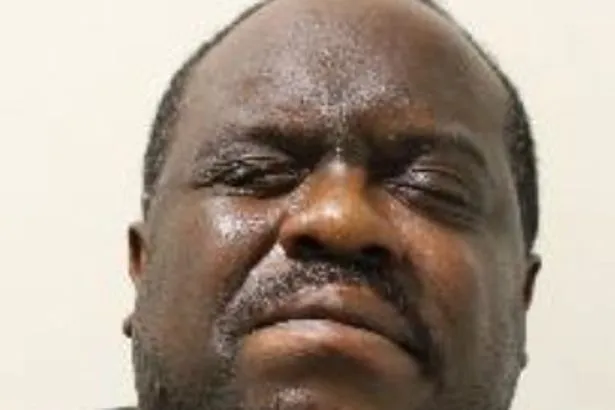
New details have emerged in the case of Simon Levy, a man convicted of the rape and murder of two women in London. Disturbing footage shows Levy leaving his residence hours before he committed a violent act, adding a grim layer to the timeline of his crimes.
Timeline of Crimes and Convictions
Simon Levy, 40, was found guilty at the Old Bailey of murdering Carmenza Valencia-Trujillo in March 2025 and Sheryl Wilkins in August of the same year. The court heard evidence that Levy was captured on camera walking away from the home he shared with his mother and sister in Tottenham shortly after 9:30 PM on August 23, 2025. He did not return until the following day, the same day Ms. Wilkins’ body was discovered.
CCTV footage presented during Levy’s trial revealed him and Ms. Wilkins visiting the side area of the B&M car park on Tottenham High Road on the evening of the murder. Police officers on patrol found Ms. Wilkins’ body in the car park around 6:30 AM on August 24, 2025. Tragically, this location was also the site where Levy had violently raped another woman, who survived, approximately eight months prior to Ms. Wilkins’ murder.
Emerging Evidence and Police Missteps
The recently surfaced footage shows Levy departing his Tottenham home dressed in casual attire and carrying a backpack. This visual evidence underscores the premeditated nature of his actions, as he left his residence hours before the fatal encounter with Ms. Wilkins.
Adding to the tragedy, authorities have acknowledged significant missteps in the handling of Levy’s case prior to the murders. Investigations revealed that efforts to have Levy remanded in custody were mishandled. During three separate court hearings, prosecutors reportedly failed to present crucial information that would have adequately demonstrated the severe danger Levy posed to the public, particularly women.
Reports indicate that the Crown Prosecution Service (CPS) also experienced delays in their actions. Levy was known to law enforcement and the justice system before his spree of violence began.
Levy’s Criminal History
Levy’s prior record includes a jail sentence for a sexual offense in 2021. While incarcerated, he committed further offenses, including the sexual assault of a female prison officer. Following his release, Levy engaged in a series of sexual assaults on London trains between 2023 and 2025. During this period, he was also a primary suspect in a separate rape investigation.
Official Response and Calls for Reform
In response to the revelations and the acknowledged failings, a police spokesperson stated that detailed commentary on the specific shortcomings would be limited due to an ongoing investigation by the Independent Office for Police Conduct (IOPC). The spokesperson emphasized that the IOPC has access to all facts and will conduct a thorough scrutiny of any identified shortfalls to avoid prejudicing any individuals involved.
However, the spokesperson also highlighted that proactive steps have been taken. Several internal reviews have been conducted, leading to the implementation of improved public safety measures and new training objectives aimed at enhancing inter-agency collaboration and information sharing. An automated system for charge data has also been introduced to better identify cases requiring coordination between multiple police forces from the outset.
The police representative stressed the necessity for a unified approach within the criminal justice system. The call is for a clear action plan that ensures repeat offenders, such as Levy, are automatically placed on remand to safeguard the wider community. This sentiment underscores a broader concern about the systemic measures needed to prevent future tragedies involving individuals with a history of violent offending.
Conclusion
The emergence of new footage depicting Simon Levy leaving his home shortly before the murders of Sheryl Wilkins and Carmenza Valencia-Trujillo provides a chilling chronological detail to his crimes. Coupled with admissions of procedural failures by law enforcement and the CPS, the case raises critical questions about the effectiveness of the justice system in identifying and managing high-risk offenders. The ongoing investigations and implemented reforms aim to address these systemic weaknesses and enhance public safety, particularly for vulnerable individuals.