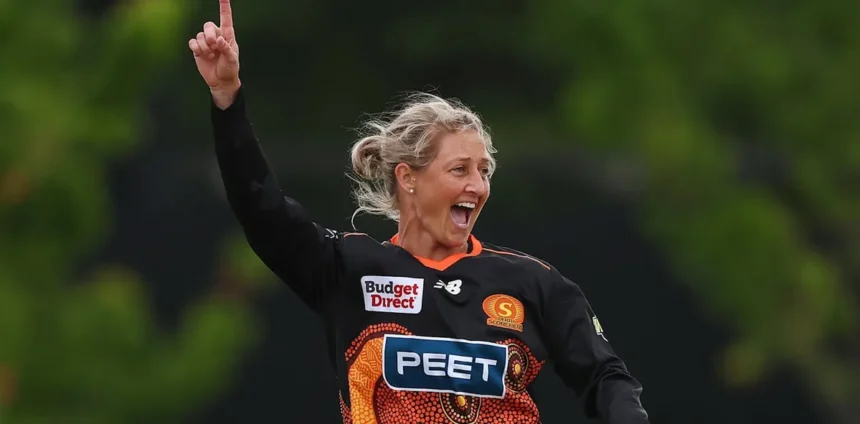
Sophie Devine, former captain of New Zealand’s White Ferns, recently signed a £210,000 (NZ$470,000) contract with Welsh Fire in the UK’s professional cricket league, matching the highest deal available. This achievement signals rapid growth in investment for women’s cricket and fuels optimism that women’s professional sports have reached new heights.
However, Devine’s landmark agreement underscores a harsh reality: she remains an outlier. Most elite female athletes, including those competing internationally for New Zealand, struggle to earn a sustainable living from their sport.
Netball Salaries Remain Modest
In New Zealand’s ANZ Premiership netball competition, players receive retainers between NZ$20,000 and $45,000 per season following a 20% pay reduction earlier this year. Many rely on second jobs to support their careers. Australia’s Suncorp Super Netball, by comparison, enforces a team salary cap of A$742,212, with average earnings near A$89,000, luring top Kiwi talent across the Tasman.
Rugby and League Show Similar Disparities
New Zealand’s Black Ferns celebrated success at the 2022 Rugby World Cup, drawing over 42,000 fans to the Eden Park final—the largest crowd ever for a women’s rugby match. Yet, players earn retainers of NZ$50,000–$70,000, while Super Rugby Aupiki participants make about $25,000 per season. In contrast, men in Super Rugby Pacific earn NZ$150,000–$250,000 annually, and All Blacks command $400,000 to over $1 million.
Rugby league follows suit. Australia’s NRL Women’s Premiership boosts minimum salaries from A$30,000 in 2023 to $50,600 by 2027. Men’s NRL teams operate under a salary cap exceeding A$12 million per club, with stars earning up to $1.3–$1.4 million per season.
Progress on Parental Leave and Contracts
Beyond pay, career challenges like pregnancy historically derailed women’s professional paths due to limited protections. Recent changes offer hope: Cricket Australia provides up to 12 months of paid parental leave while retaining contracts. The English Rugby Football Union offers 26 weeks of full pay for maternity, aiding returns to elite play. Still, short-term contracts plague many athletes, complicating long-term planning, and support varies across sports.
Investment Drives Equity
Critics argue men’s sports revenue funds women’s programs through shared broadcast and sponsorship deals—a valid point. Yet, the core issue lies in structural differences. Men’s leagues feature multi-tiered systems—schools, domestics, clubs, internationals, franchises—that generate revenue at every level. New Zealand Rugby’s agreement allocates 36.56% of player-generated revenue to pros, tying pay to commercial value.
Women’s sports lack this depth, risking decades-long pay gaps if reliant on current market rates. Proactive investments accelerate change. The UK’s Hundred cricket league pairs men’s and women’s matches. The US WNBA thrives on parent organization backing. Spain’s Liga F football locked in a €35 million, five-year broadcast deal.
This cycle—investment fosters visibility, audiences, sponsors, revenue—builds sustainable ecosystems. Devine’s success demonstrates potential when investment aligns with talent. The priority now: develop competitions holistically so future athletes stay home and in their sports without financial sacrifice.