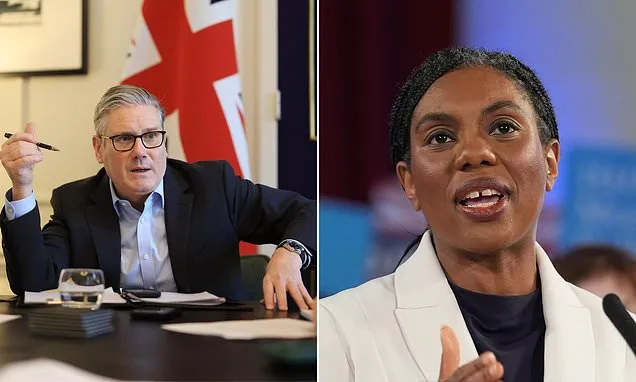
Prime Minister Keir Starmer has authorized the United States to launch strikes against Iranian targets from British airbases, escalating UK involvement in efforts to reopen the Strait of Hormuz. This decision marks a significant policy shift, allowing operations from RAF Fairford in Gloucestershire and Diego Garcia in the Indian Ocean.
Shift from Defensive to Offensive Operations
Previously, these bases supported only defensive actions against Iranian missile sites threatening British interests. Now, they enable broader missions to neutralize threats blocking the vital shipping lane. The Ministry of Defence confirms RAF aircraft conduct defensive air patrols over Jordan, Qatar, the United Arab Emirates, and Bahrain to safeguard regional allies.
A Downing Street spokesperson emphasized that Iran’s strikes on vessels, including those under the Red Ensign and belonging to Gulf partners, risk deeper regional crisis and global economic fallout. Britain maintains it will not participate directly in strikes, upholding core principles of its conflict approach.
Opposition Criticizes Major Policy Reversal
Conservative leader Kemi Badenoch labeled the move “the mother of all U-turns.” Shadow Defence Secretary James Cartlidge accused Starmer of weeks of indecision followed by another abrupt change. MPs across parties warn this draws the UK deeper into conflict without parliamentary approval.
Former Labour leader Jeremy Corbyn described it as “a reckless act of escalation that endangers us all,” decrying the lack of debate. Veteran Labour MP Jon Trickett highlighted the contradiction with de-escalation goals. Plaid Cymru’s Liz Saville Roberts called for an immediate parliamentary vote.
Trump Brands NATO Allies ‘Cowards’
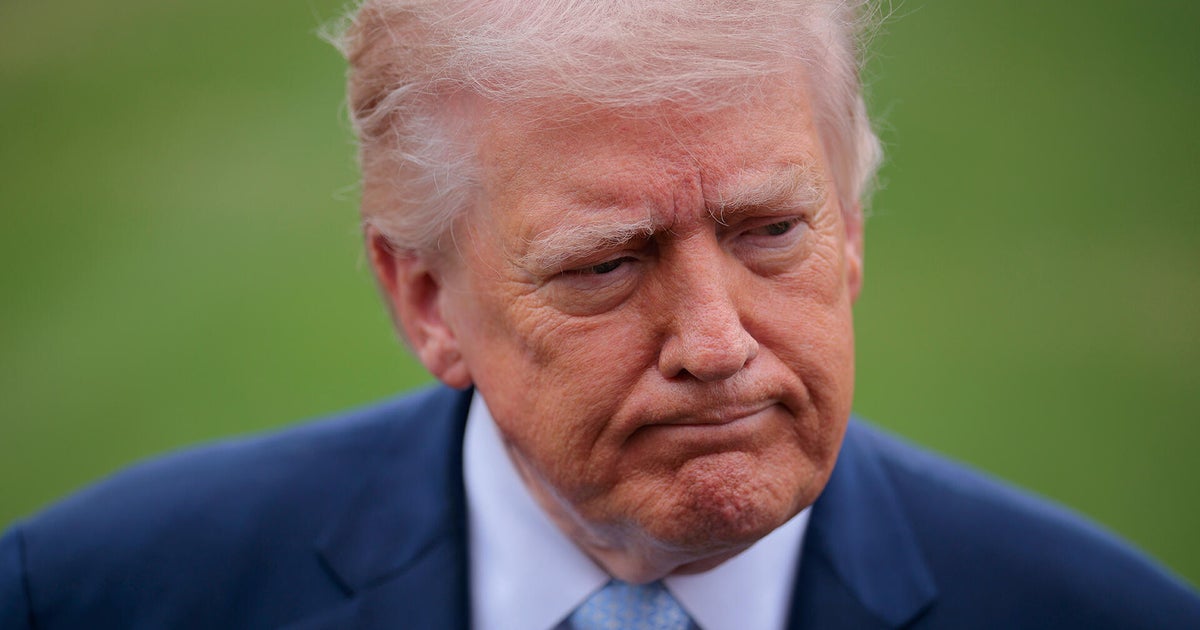
US President Donald Trump criticized NATO partners, calling the alliance a “paper tiger” without American support. In a Truth Social post, he vowed to remember Western nations’ reluctance to aid in reopening the Strait, labeling them “COWARDS” despite low risks involved.
Outside the White House, Trump expressed surprise at the UK’s delay, stating it “should have acted a lot faster.” He noted the unprecedented nature of the request for Diego Garcia, despite the strong alliance. This follows NATO’s withdrawal of its Iraq advisory mission, removing all personnel from the Middle East.
Escalating Military Preparations
A US intelligence assessment indicates Iran could block the Strait for up to six months. Around 2,500 US Marines prepare to deploy to the region, with two more units to follow. Reports suggest consideration of seizing Kharg Island, a key oil export hub 15 miles offshore processing 90% of Iran’s crude.
Such an operation aims to pressure Iran’s new Supreme Leader into negotiations after initial strikes weaken defenses. However, risks include Iranian retaliation against Gulf energy infrastructure, soaring oil prices, and tensions with China, which sources 13% of its oil from Iran.
Iran and Regional Responses
Tehran vows to persist, with the Islamic Revolutionary Guard Corps (IRGC) stating its soldiers await US Marines to deliver a “hard slap.” IRGC spokesman General Ali Mohammad Naeini declared the war would continue until enemies exhaust, though he was reportedly killed in a subsequent strike.
Saudi Arabia signals potential retaliation if Iran targets Gulf infrastructure further. Iranian drones struck a Kuwaiti oil refinery despite calls to spare energy sites. Israeli Prime Minister Benjamin Netanyahu stressed the need for ground forces to topple the regime, as air operations alone prove insufficient.
UK military planners collaborate with US Central Command on tanker escort options. Defence sources note few nations willing to risk warships amid heightened threats, recalling the recent withdrawal of the Navy’s only active minesweeper from the Gulf.