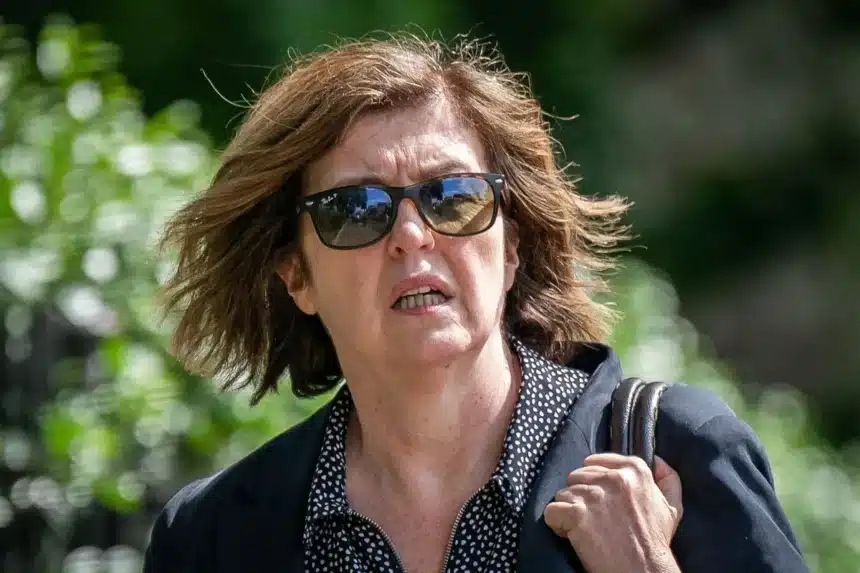
Baroness Sue Gray, former chief of staff to Sir Keir Starmer, has described her tenure in Downing Street as “definitely unbearable,” citing internal disputes and a pervasive atmosphere of distrust. In her first public comments since resigning, Gray detailed how disagreements over internal briefings created significant anxiety, leading colleagues to fear that their conversations were being secretly recorded.
Internal Briefing Disputes and Atmosphere of Suspicion
Gray, who served as the top adviser in the Labour administration until her departure in 2024, revealed that the issues with internal briefings began even before the party entered government. “I would read about things that I would have said or not said,” she recalled, noting that this pattern continued into her time in Downing Street.
She explained her perspective as a former civil servant and special adviser, emphasizing the importance of being able to speak freely in private discussions. “I couldn’t recall those sort of discussions being briefed out,” Gray stated. She recounted an instance where a story emerged about her supposedly attempting to reassign Morgan McSweeney, when in reality, she was simply trying to find a more suitable room for a meeting due to the number of people attending. “Actually, that was a genuine, ‘I can’t believe so many of you are going to sit in this small room, let’s find a better room for you’,” she clarified.
The cumulative effect of these experiences, Gray explained, was a constant sense of unease. “It just got to the point where you know everything you say, you feel is somebody is recording it.” This environment, she admitted, made the role “very, very difficult” and personally taxing.
Disappointment with Leadership’s Response
When questioned about Sir Keir Starmer’s willingness to address her concerns regarding the leaks and briefings, Gray expressed disappointment. “I talked to him a couple of times about it,” she said, “but I was disappointed that not more was done because I think it could have been done.” While she declined to disclose the specifics of her private conversations with the leader, her sentiment indicated a belief that stronger action could have mitigated the situation.
The Labour government has faced scrutiny over its internal culture, with some party members, including Deputy Leader Lucy Powell, characterizing a pattern of “anonymous nasty briefings,” particularly targeting women. Powell had previously described a “boys club” culture within No. 10. Gray echoed these sentiments, stating, “It was definitely unbearable, particularly for me,” and asserting that none of the negative briefings originated from her.
She elaborated on the personal toll the situation took: “It was just affecting me and my life. I was getting into the office very early in the morning. I was leaving late to avoid… It was very, very, very difficult period.”
Responsibility for Government’s Vision
Addressing questions about the perceived lack of a clear positive vision in the early days of the Labour government and her role in it, Gray placed the ultimate responsibility on leadership. “I think ultimately, you have a leader of the party, you have a prime minister, leader of the opposition. You have to set your vision, your agenda, and that is definitely what everybody is looking for,” she stated.
Background and Transition to Politics
Baroness Gray transitioned from a prominent, though often behind-the-scenes, role as an arbiter of conduct within the civil service to a public figure following her investigation into alleged Covid rule-breaking at Boris Johnson’s Downing Street in 2021. Her impartiality later faced questioning when she resigned from the Cabinet Office after decades of service in Whitehall to join Labour as Sir Keir Starmer’s chief of staff.
Following weeks of negative press and internal briefings, Gray announced her resignation in a statement, citing concerns that she was “becoming a distraction” to the government’s work. Her departure from Downing Street preceded her appointment as one of 30 new Labour peers announced in December.
The interview on the Political Currency podcast, hosted by Ed Balls, marked Gray’s first opportunity to publicly address her experiences and the circumstances surrounding her departure from the high-pressure environment of Downing Street.