Japanese Prime Minister Sanae Takaichi has led her Liberal Democratic Party (LDP) to a resounding win in the parliamentary elections she triggered soon after assuming office. With power now firmly consolidated in the Diet, Japan’s legislature, attention turns to how she will wield this mandate.
Takaichi has shaken up Japan’s traditionally reserved political landscape since her October parliamentary election to the premiership. Her appeal to younger voters stands out through sharp social media engagement, distinctive style, and diplomatic prowess—including a memorable drumming duet with South Korean President Lee Jae-myung.
By calling a snap election during her initial popularity surge, Takaichi strengthened her position in the Diet before any potential decline. Voters now demand results on her commitments.
Unlikely Path to Triumph
The LDP, dominant in Japan’s postwar era, faced setbacks recently. In 2024, corruption scandals cost it and partner Komeito their lower house majority. Last year, the coalition lost upper house control, weakening the government.
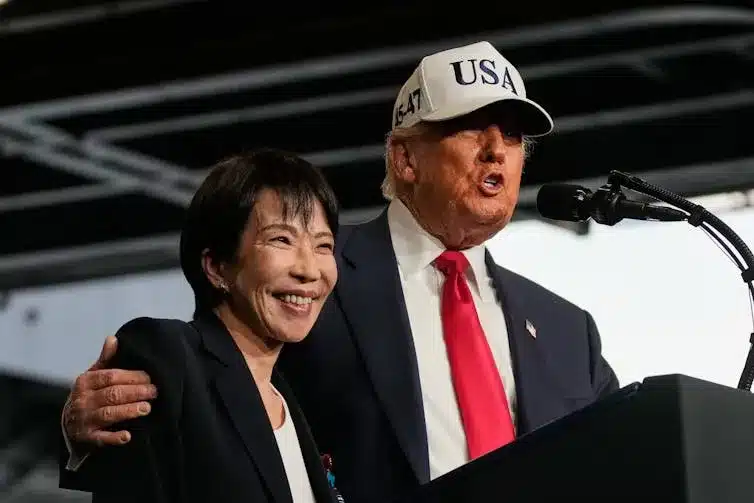
Turnaround accelerated after Prime Minister Shigeru Ishiba resigned in September amid these losses. Pre-election surveys forecasted strong LDP gains alongside new ally Nippon Ishin (Japan Innovation Party). An endorsement from U.S. President Donald Trump provided further momentum, despite mixed public views on him, given America’s role as Japan’s key security ally and top export market.
Doubts lingered on whether Takaichi’s youth appeal would boost party turnout. Yet, her charisma propelled the LDP to victory amid harsh winter weather, securing a two-thirds super-majority in the lower house—enough to override upper house opposition and advance her priorities.
Firmer Stance Against China
The hawkish leader has adopted a tougher line on China since taking office. In November, she declared Japan could offer military aid to Taiwan against a possible invasion, drawing sharp rebuke from Beijing that persisted into the new year.
Public opinion splits on direct Taiwan intervention but backs her push to hit 2% of GDP in defense spending by March—two years early. December’s cabinet decision raised defense outlays 9.4%, emphasizing homegrown tech in cyber, space, and long-range strikes.
Facing threats from China, North Korea, and Russia, her administration plans updates to Japan’s foundational security and defense frameworks this year.
Economy Takes Center Stage
Defense grabs headlines, but economic performance will define Takaichi’s tenure. Inflation and flat wages erode living standards, exemplified by rice prices doubling since 2024 to a monthly peak—sparking public fury that toppled the farm minister last year.
Inflation exceeds the Bank of Japan’s 2% goal for 45 months straight. Nominal wages rise modestly, but real incomes have fallen four years running.
Takaichi prioritizes cost-of-living relief, pledging a two-year halt to the 8% food tax. Her government rolled out a $135 billion stimulus last year, subsidizing energy bills.
These moves widen the budget deficit atop massive public debt. Bond prices tumbled post-election call, as markets anticipated fiscal easing and debt growth. The Bank of Japan likely stays sidelined, hiking borrowing costs.
Japan grapples with population decline and labor shortages. Takaichi holds the tools to tackle these; success hinges on execution amid voter expectations.