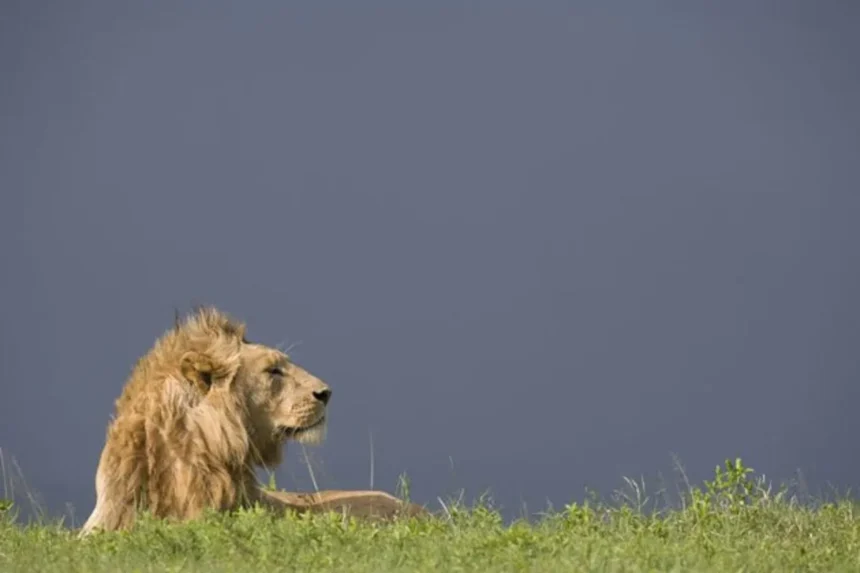
Ten lions have been discovered dead in Tanzania’s Ngorongoro Conservation Area following a suspected poisoning incident. The Ngorongoro Conservation Area Authority (NCAA) confirmed the grim discovery on Saturday, stating the lions were found in the Ndutu area of Endulen Ward, Arusha region, on Friday.
Investigation Launched into Lion Deaths
The NCAA has initiated a thorough investigation into the cause of death for the ten lions. Preliminary findings suggest that the animals may have died after ingesting poison. Authorities are working to determine the exact substance involved and to identify any individuals responsible for the act. This incident underscores the persistent threat of poisoning to large carnivore populations in East Africa, a region where human-wildlife conflict, particularly involving livestock owners and predators, remains a significant challenge.
Ngorongoro: A Vital Ecosystem Under Threat
The Ngorongoro Conservation Area, situated in northern Tanzania, is globally recognized as a crucial wildlife ecosystem and a UNESCO World Heritage Site. Spanning diverse landscapes including highland plains, savanna, and forest, the area was established in 1959. It uniquely functions as a multi-use zone where semi-nomadic Maasai pastoralists coexist with a rich array of wildlife.
According to the UNESCO World Heritage Convention, the Ngorongoro Conservation Area holds immense global importance for biodiversity conservation. Its significance stems from the presence of globally threatened species, exceptionally high wildlife densities, and the spectacular annual migration of wildebeest, zebras, gazelles, and other herbivores across its northern plains. Beyond its ecological value, the area is also rich in archaeological findings, offering a long sequence of evidence related to human evolution and human-environment dynamics, including early hominid footprints dating back as far as 3.6 million years.
The recent deaths of these ten lions raise serious concerns about the ongoing conservation efforts for the lion population within this renowned ecosystem. Protecting apex predators like lions is critical for maintaining the ecological balance of the Ngorongoro area.
Broader Context: Wildlife Poisoning Incidents in East Africa
This tragic event in Tanzania follows a similar incident in Kenya’s Amboseli ecosystem last month, where 18 elephants died. Kenyan authorities arrested four suspects in connection with those deaths, seizing various materials, including chemicals. The Kenya Wildlife Service (KWS) reported that the suspects were later released on bail.
Initial laboratory results from the Kenyan investigation indicated the probable involvement of a toxic substance. Earlier suggestions pointed towards cyanide poisoning, potentially linked to the consumption of pesticide-contaminated tomatoes from farms bordering Amboseli National Park. However, some wildlife experts have expressed skepticism regarding the pesticide theory, noting the absence of reported deaths among other animal species in the vicinity, which might be expected if a broad-spectrum poison was involved.
Challenges in Combating Wildlife Poisoning
Poisoning remains a particularly insidious threat to wildlife because it can be indiscriminate. It is often used as a retaliatory measure by individuals who have lost livestock to predators, or as a method to illegally hunt animals for bushmeat or other products. The use of agricultural chemicals, such as pesticides and herbicides, also poses a risk, especially in areas where farms directly border wildlife habitats.
Conservationists emphasize the need for stronger enforcement of laws against poisoning, increased community engagement to foster tolerance and reduce human-wildlife conflict, and prompt investigation and prosecution of offenders. The recovery of carcasses and the collection of evidence can be challenging, making it difficult to definitively prove poisoning and identify perpetrators.
Conservation Implications
The loss of ten lions in a single incident is a significant blow to the local lion population in Ngorongoro. Lions are vital predators that help regulate prey populations and maintain the health of the ecosystem. Their decline can have cascading effects throughout the food web.
The Ngorongoro Conservation Area, despite its protected status, faces continuous pressure from human activities, including livestock grazing and agricultural encroachment. Balancing the needs of the local Maasai community with the imperative of wildlife conservation is an ongoing challenge. Incidents like the suspected poisoning highlight the vulnerability of wildlife to human actions and the critical need for effective protective measures and collaborative conservation strategies.
Authorities are committed to uncovering the full details surrounding the lions’ deaths and implementing measures to prevent future occurrences. The ongoing investigation aims not only to bring those responsible to justice but also to reinforce the protection of one of Africa’s most iconic and biodiverse landscapes.