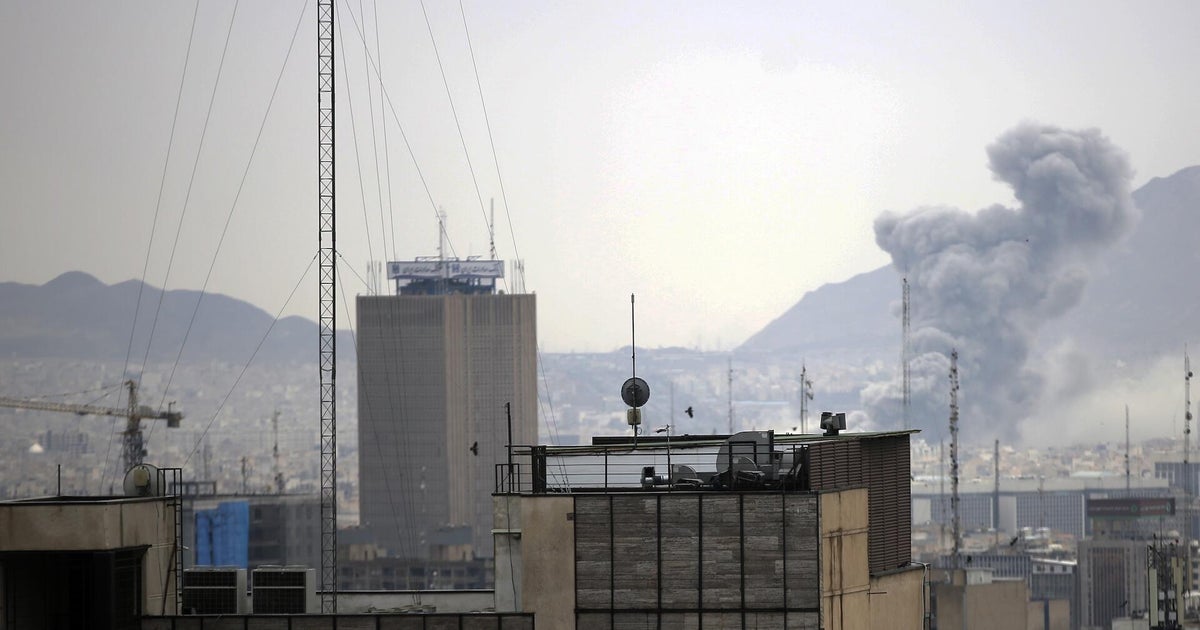
The continued warfare in Iran is driving up extra than simply the price of oil. With important crop fertilizers additionally caught within the crossfire, U.S. meals costs may very well be subsequent.
About one-third of the world’s fertilizer substances — key inputs farmers depend on to develop the crops that develop into on a regular basis meals gadgets — transit by the Strait of Hormuz, a essential delivery chokepoint alongside Iran’s southern coast.
Roughly one-fifth of worldwide oil provides additionally transfer by the slim waterway. For the reason that U.S.- Israeli assaults on Iran started Feb. 28, the strait has been successfully shut.
At the very least three cargo ships have come beneath direct assault from Iranian army forces, and there are rising fears that Iran has planted sea mines within the strait.
Dealing with imminent hazard, delivery corporations and oil tanker homeowners have opted to not transit the strait, and marine monitoring methods present a whole bunch of tankers sitting idle simply outdoors the waterway, with seemingly nowhere to go.
Oil costs have surged in consequence, with U.S. crude topping $99 a barrel on Friday night, up round 50% for the reason that begin of the warfare. The longer the battle drags on, the higher the danger the disruption spreads past power markets.
“A much less well-recognized danger is the risk the battle poses to the worldwide meals provide chain, which is determined by exports coming by the area,” Joe Brusuelas, chief economist at RSM, wrote in a latest shopper notice.
The Center East performs an outsized position in fertilizer manufacturing, largely as a result of its pure fuel reserves are the first enter used to provide ammonia, a key constructing block for nitrogen fertilizers like urea.
Nations uncovered to disruptions within the area due to the warfare — together with Egypt, Iran, Qatar, Saudi Arabia and the United Arab Emirates — account for about 49% of worldwide urea exports, and roughly 30% of ammonia exports, in keeping with the American Farm Bureau Federation.
“Fertilizer markets are globally built-in, so provide disruptions in a single area can affect costs and availability elsewhere,” wrote Religion Parum, a Farm Bureau economist.
Which means any will increase in price or tightening of provides abroad can shortly ripple by the worldwide agricultural provide chain and drive up the price of meals.
For American farmers, the uncertainty is already hitting residence.
John Boyd Jr., a fourth-generation farmer in Virginia who grows soybeans, corn and wheat, mentioned his fertilizer provider just lately warned him that shipments could not arrive as anticipated.
“The sellers are telling me we are able to’t get the fertilizer,” Boyd advised NBC Information in an interview this week. “Because of the warfare and the bombing by that space, the fertilizer isn’t shifting.”
Fertilizer is important to meals manufacturing, he mentioned, and it should be utilized earlier than crops are planted.
“If I don’t apply fertilizer, meaning I received’t have the yields to make my crop,” Boyd defined.
Going ahead, he expects costs to rise as provides tighten much more.
As of Mar. 10, ammonia costs within the Center East had been up 92% in contrast with a yr earlier, whereas urea costs had been up 70% over that very same time interval, Brusuelas identified in his notice.
Within the U.S., ammonia costs are at the moment 41% greater than they had been final March, whereas urea costs have risen 21%.
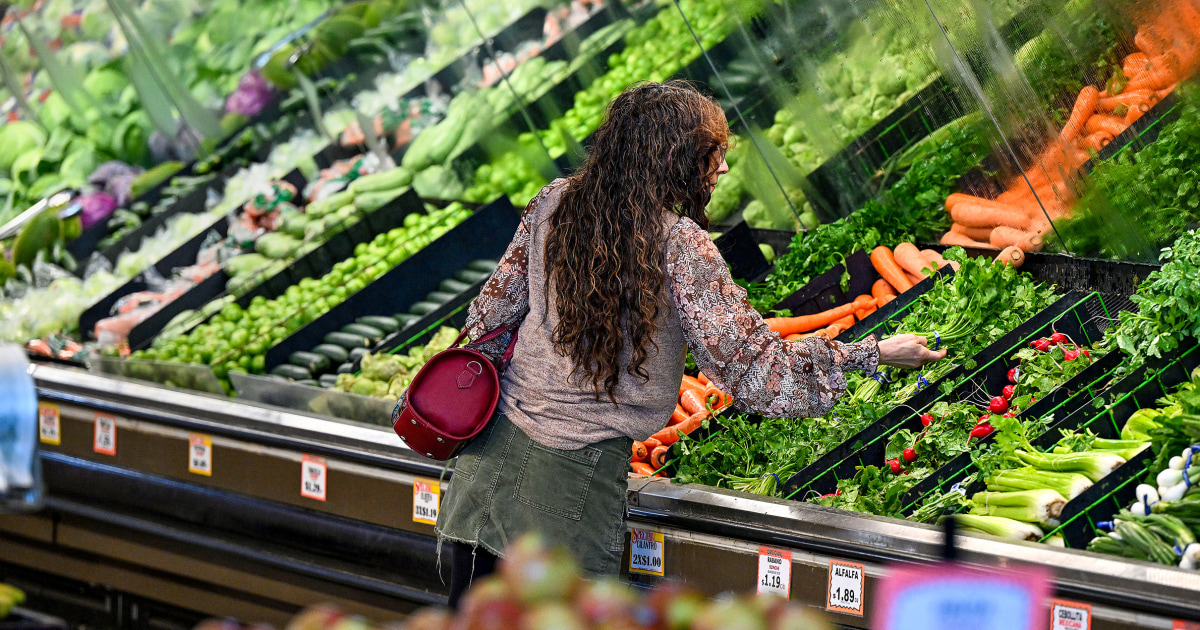
Put merely: “Larger fertilizer prices will contribute to greater costs at U.S. supermarkets,” he wrote.
Already, meals costs have been rising. In accordance with the newest client inflation information launched earlier this week, grocery costs rose 0.4% from January to February and at the moment are up 2.4% in contrast with a yr in the past. The price of eating out rose 0.3% over the identical interval, and is up 3.9% from a yr earlier.
Now, with planting season underway, any disruption to fertilizer provides may put further strain on meals costs within the months forward.
The timing is essential for U.S. agriculture. That is when farmers buy fertilizer, put together fields and apply vitamins wanted to develop crops like corn and wheat.
“With spring planting starting across the U.S., it’s essential to safe transit, together with the mandatory risk-coverage insurance coverage, for vessels carrying fertilizers by the Strait of Hormuz,” Parum wrote.
“If farmers are unable to acquire the remaining provides in time, we may see reductions or shifts in planted acreage and decrease yields, which impacts our nation’s meals safety and the affordability of important items.”
On Friday, Agriculture Secretary Brooke Rollins mentioned the Trump administration is “very near having an announcement on some options” aimed toward retaining fertilizer prices down for farmers. However she didn’t present further particulars.
Rollins mentioned most farmers have already bought fertilizer for the planting season, however conceded that roughly 25% haven’t, leaving them much more uncovered to rising costs.
“Clearly, occasions around the globe are impacting our farmers,” she mentioned at a White Home occasion.
Nevertheless it’s not simply fertilizer. Costs are additionally rising for diesel, which powers tractors, irrigation methods and fertilizer spreaders.
Boyd mentioned these greater gas prices are already beginning to squeeze his operation, along with the fertilizer fears.
“I’ve a tractor that requires 100 gallons of diesel gas to fill it up, and it prices me $469 only for a tank of diesel gas,” he mentioned. “That doesn’t final lengthy.”