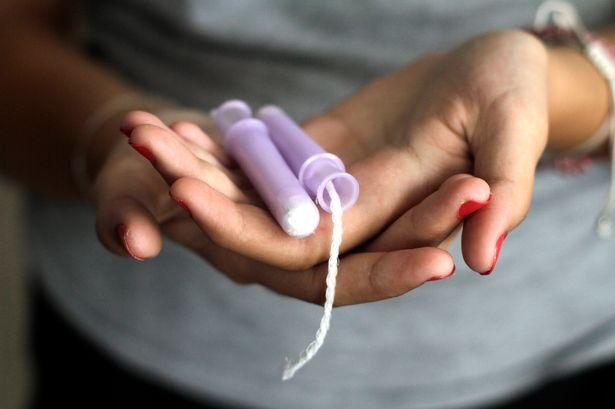
Regulatory Gaps in Feminine Hygiene Safety
Multiple scientific studies have detected potentially hazardous substances in tampons and menstrual products, including measurable levels of arsenic, pesticide residues exceeding drinking water limits by 40-fold, and elevated concentrations of PFAS chemicals in reusable items. Industry analysts reveal these products currently face fewer regulatory requirements than everyday items like candles in many markets.
Chronic Exposure Risks Emerge
Health specialists emphasize that while immediate metal poisoning from tampon use remains undocumented, the primary concern involves long-term exposure. “When considering decades of monthly use, even low-level contaminant accumulation becomes significant,” explained Justyna Strzeszynska, CEO of an AI-powered women’s health platform.
Valentina Milanova, founder of a gynecological health company, elaborated: “Repeated internal exposure to endocrine-disrupting heavy metals and inflammatory pesticide residues could potentially impact hormonal balance and immune function. Fragrance additives frequently trigger vaginal irritation and microbiome disruption.”
Navigating Product Safety
Experts recommend consumers prioritize brands that voluntarily disclose full ingredient lists and contamination testing data. “Transparent labeling represents a major indicator of product safety,” Strzeszynska noted, while cautioning against relying on vague marketing terms like ‘natural’ or ‘non-toxic’.
Milanova advised: “Organic certification alone doesn’t ensure purity without specific contaminant testing. Consumers should be particularly wary of unnecessary additives like perfumes, dyes, or freshness coatings.” Medical professionals suggest alternating between internal and external menstrual products to reduce exposure duration.
Agricultural Origins of Contaminants
Research indicates most contaminants enter products through agricultural processes rather than intentional addition. “Cotton plants naturally absorb elements like arsenic from soil and water during growth,” Strzeszynska clarified. “Even organic cultivation methods don’t automatically eliminate these environmental factors.”
Industry Transparency Initiatives
While current regulations don’t mandate ingredient disclosure, some manufacturers have implemented voluntary testing protocols. “We’ve conducted rigorous heavy metal screening since 2019,” stated Milanova, whose company publishes test results publicly. “Consumers deserve complete transparency regarding products used in highly sensitive bodily areas.”
Legislative Changes on the Horizon
Advocates report growing momentum for regulatory reforms. “The U.S. classifies these as medical devices, but the UK lacks comparable disclosure requirements,” Strzeszynska observed. “There’s significant pressure to establish a Menstrual Product Safety Act enforcing full ingredient transparency.”
Milanova acknowledged progress while noting limitations: “Current EU and UK safety standards remain fragmented without unified contaminant testing mandates. While consumer awareness drives change, comprehensive regulatory protection still requires development.”