[ad_1]
Wildlife deaths on railway traces hardly ever enter public consciousness, but the size of those losses is much better than most individuals understand. Throughout British Columbia and past, trains strike animals that by no means seem in official reviews, leaving communities and conservationists with no clear image of the injury. The Revelator notes that scientists view these collisions as a serious, underestimated reason behind wildlife mortality. The disconnect between what railways report and what observers witness widens the data hole.
BC faces this uncertainty firsthand. A lot of what’s recognized comes from native area crews, residents, and researchers, not from standardized provincial monitoring. With out formal data, total species teams vanish alongside rail corridors with no mechanism to know patterns or stop repeat deaths.

Wildlife deaths on BC railways are hardly ever tracked in a constant manner.
Species Hit Exhausting Throughout Canada’s West
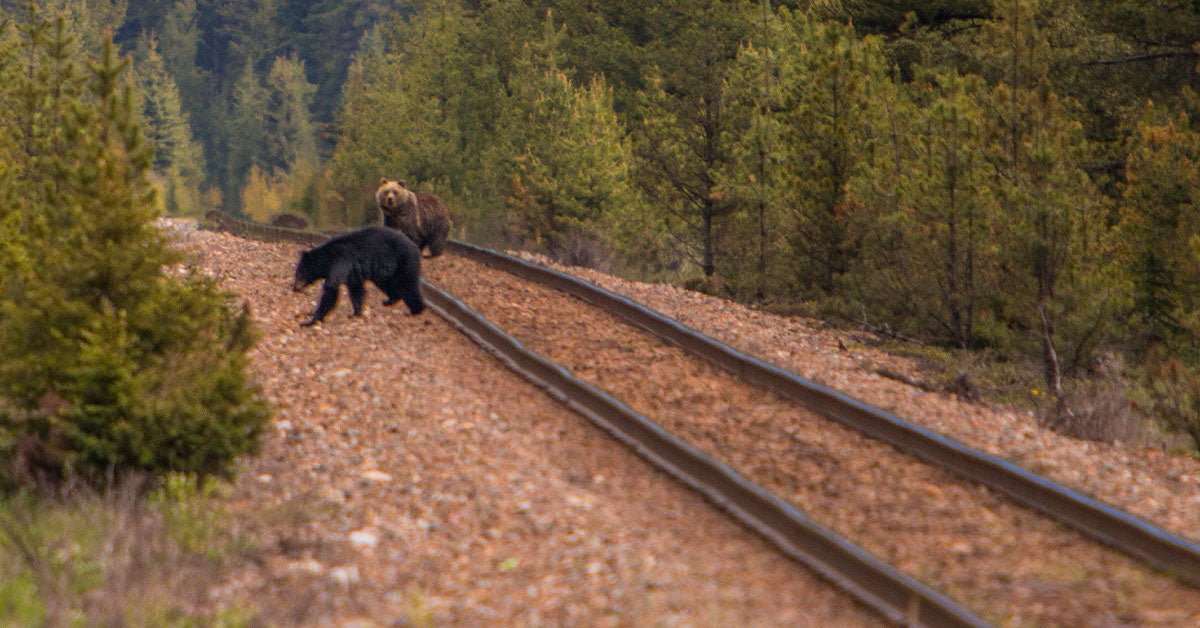
Stories from western Canada reveal that grizzly bears, moose, elk, deer, and smaller mammals intersect with lengthy stretches of rail that lower by way of habitat and feeding grounds. In Alberta and BC, grizzly deaths on the tracks have turn into a recurring situation. World Information describes a number of incidents the place bears died close to the identical bend within the tracks, an indication of predictable hotspots that stay unaddressed.
These deaths don’t happen in isolation. Railways run by way of key motion corridors the place animals cross for meals, water, or seasonal migration. When attractants resembling spilled grain accumulate alongside the tracks, danger rises sharply. Regardless of this, there isn’t any unified system to take away attractants or warn animals away from hazard zones.

Many species die on the tracks with out showing in official reviews.
World Examples Present How Widespread the Hazard Is
British Columbia’s downside suits right into a worldwide sample. In India, collisions kill endangered Asian elephants alongside forested rail routes. The Information reviews that trains strike elephants at recognized high-risk sections the place pace management and monitoring might scale back deaths.
Elsewhere, total migrations face the identical peril. Every spring, hundreds of toads in Europe cross roads and rail traces to achieve breeding ponds, DW reviews. In the meantime, volunteers have constructed fences and tunnels that information amphibians safely beneath tracks.
In the USA, desert tortoises in California’s Mojave area face lethal encounters with trains and automobiles. NBC Information describes repeated losses in fragile ecosystems the place long-lived animals can not get better rapidly.
These international instances underline a core fact: hotspots exist, patterns are identifiable, and focused options save wildlife.

Grizzly bears have been repeatedly struck on the identical Alberta–BC hotspots.
Motion in British Columbia Can Stop Future Loss
Researchers stress that straightforward measures—decreasing prepare speeds in recognized hotspots, clearing spilled grain, putting in wildlife crossings, and utilizing trackside warning techniques—can scale back deaths. But British Columbia lacks necessary necessities to trace collisions, publish knowledge, or coordinate mitigation with rail operators.
With out constant reporting, BC can not deal with the true scale of this disaster. Wildlife continues to die out of public sight, leaving preventable losses unchallenged.
British Columbia can change this path. Clear knowledge, enforced mitigation requirements, and stronger provincial oversight would assist shield species already beneath stress from habitat loss and local weather change.
Take Motion
Signal the petition urging British Columbia to create necessary reporting and mitigation requirements for wildlife–prepare collisions.
[ad_2]