US-Iran Conflict Escalates Without Defined Endgame
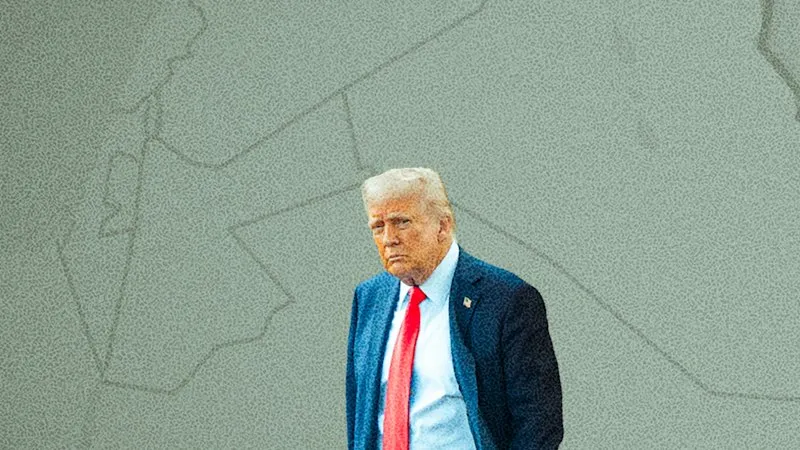
US President Donald Trump demonstrates limited interest in de-escalation amid the intensifying Iran conflict, even as Western allies express growing concerns and the fighting spreads across the region.
Echoes of Past Wars
During a Pentagon briefing, Defense Secretary Pete Hegseth declared, “This is not Iraq. This is not endless. I was there for both. Our generation knows better, and so does this president.” Foreign policy experts note striking similarities to previous US interventions in the Middle East, where operations began with claims of weapons threats but expanded toward regime change.
Trump’s Justifications for Strikes
Trump outlined numerous rationales for the joint US-Israeli strikes on Iran, including decades of attacks on Americans, ongoing nuclear development, funding of regional terrorist groups, and internal repression that has claimed thousands of lives. He called on Iranian protesters to seize control after the bombings conclude.
Mara Karlin, a former assistant defense secretary now at Johns Hopkins University, described these as a “dim sum menu of reasons.” Hegseth emphasized limited goals: no nation-building, no democracy promotion, and straightforward military targets like Iran’s missiles, navy, and nuclear facilities.
Key Developments and Casualties
The strikes eliminated Iran’s Supreme Leader Ali Khamenei early on, alongside dozens of senior officials and critical infrastructure. Trump claims operations demolish enemy capabilities ahead of schedule. reports the Human Rights Activists News Agency indicate nearly 1,200 civilian deaths.
Analysts estimate Iran started with 2,000 long-range ballistic missiles, now reduced to about 800, shifting focus to its 80,000 drones. Firas Maksad of Eurasia Group predicts a Gulf-centered drone war.
Regional and International Ripples
Iran launched over 1,000 drones at UAE, Bahrain, Saudi Arabia, Qatar, Kuwait, and Oman, but interceptions limited damage. Gulf states rally behind the US. Hezbollah in Lebanon fired rockets into Israel, prompting Israeli ground incursions and airstrikes on Beirut’s Dahiyeh district.
French President Emmanuel Macron urged Israeli Prime Minister Benjamin Netanyahu against expanding into Lebanon and warned Iran to stay out. Australian Prime Minister Anthony Albanese and visiting Canadian Prime Minister Mark Carney call for de-escalation while addressing Iran’s threats. Vali Nasr of Johns Hopkins warns of grave long-term risks from Israel’s actions in Beirut.
Economic Fallout
Shipping halts in the Strait of Hormuz, pushing crude oil from $65 to nearly $80 per barrel. Trump dismisses petrol price worries, predicting a quick drop post-conflict. The US temporarily lifts some Russian oil sanctions for 30 days to aid India.
Strategic Shifts and Divergences
The new National Defence Strategy prioritizes countering China and avoiding endless wars. Elbridge Colby, top Pentagon policy official, insists military aims exclude regime change, focusing on degrading threats. He highlights global support from leaders like Germany’s chancellor and Australia’s prime minister.
British Prime Minister Keir Starmer questions legality and demands a viable plan before deeper involvement; Trump retorts it’s no Churchill. Trump mentions Iranian outreach for talks but prefers continued fighting.
Potential Off-Ramps and Risks
US and Israel coordinate closely, but Netanyahu eyes regime change as essential, unlike Trump’s bonus view. Trump floats deals with new Iranian leaders, excluding Khamenei’s son. Analysts like Dan Shapiro expect Trump to declare victory once key assets are destroyed, leaving revolution to Iranians.
A recent social media post demands Iran’s “unconditional surrender.” Ground troops remain unlikely, though CIA arms Kurdish forces along the Iran-Iraq border. Iran warns of quagmire risks. Brookings’ Michael O’Hanlon cautions accidental escalation into protecting enclaves.


.png "Marley Spoon Meal Equipment Evaluate 2026: Much less Martha, Extra Moroccan")