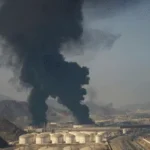
Iran suffers setbacks across multiple fronts, but the United States confronts challenges in sustaining diplomatic and economic pressure to resolve the conflict. Initial efforts by Iran to fracture U.S. alliances through attacks on civilian infrastructure in the Arab world fall short of expectations.
Iran’s Military Setbacks
Most air defenses lie destroyed since last June, while the navy and air force face near-total obliteration. Proxies in Lebanon and Yemen, aligned with the ‘axis of resistance,’ refrain from targeting shipping lanes or U.S. bases.
Undermining Global Authoritarian Ties
Actions against Venezuela under Maduro and Iran aim to dismantle a loose coalition of authoritarian regimes led by Xi Jinping, including Russia. This alliance previously offered strategic depth against Western tariffs, sanctions, and potential Taiwan crises.
Beijing benefited from affordable oil, rare earth supplies, and markets for military exports that challenged U.S. interests and the international order. It also diverted U.S. focus from the East by entangling forces in the Middle East.
The coalition now appears exhausted. Russia endures after four years of war with 1.25 million casualties, depending heavily on China. Israel and the U.S. neutralize Iran and proxies, cutting off Shahed drone supplies to Russia used against Ukrainian civilians. Venezuela slips from Beijing’s influence.
China’s growing ties with Saudi Arabia under Mohammed bin Salman and Gulf states weaken, as defending Iran risks alienating them. Beijing withholds strong responses to Trump ahead of his upcoming China visit, seeking an economic deal.
Economic Fallout and Persistent Threats
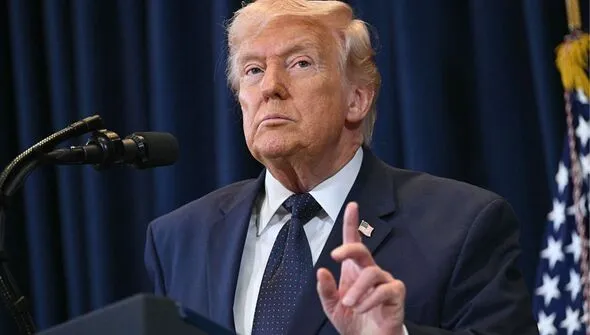
Trump encounters unexpected economic turbulence from the campaign against Iran’s regime. Global stocks decline and oil surpasses $100 per barrel, prompting Trump to declare the war “very complete, pretty much.”
Iran maintains vast missile and drone stockpiles capable of disrupting regional infrastructure and shipping for months. Cornered, the regime views spiking oil prices and regional paralysis as key to survival. Each of the IRGC’s 125,000 soldiers anticipates harsher conditions if the government collapses.
Under emerging leader Mojtaba Khamenei, known for embodying a harsh, hard-line, corrupt, and coercive state, the regime shows no bounds in inflicting tyranny and suffering.
Global Energy and Military Pressures
Nearly one-fifth of world oil flows through the Strait of Hormuz, the premier energy chokepoint. Extended disruptions drive up energy costs, fuel inflation, and strain economies—particularly in energy-vulnerable Europe and the UK, hampered by net-zero policies.
Russia gains from elevated prices, incentivizing global aid in bypassing sanctions. High-intensity warfare depletes missiles, precision munitions, and defenses rapidly. Even the U.S., with the world’s largest military, faces trade-offs in prolonged multi-front engagements.
Washington excels at Middle East power projection but struggles to maintain long-term advantage. Iran’s Shahed drones, costing $30,000 to produce, demand $4 million intercepts, draining NATO resources.
Strategic Risks and Opportunities
Prolonged conflict allows China to emerge as a mediator, gaining favor in the energy-hungry Global South and positioning the Communist Party as a peacemaker. European critiques of strike legality bolster narratives equating Western actions with authoritarianism.
The UK’s restrained response highlights European military limitations as largely symbolic. Gulf states, fatigued by U.S. strategies, strengthen Beijing ties to diversify risks.
In a bipolar world, perceptions rival raw power. Trump holds the initiative to contain the conflict before it escalates into another extended Middle East quagmire.