[ad_1]
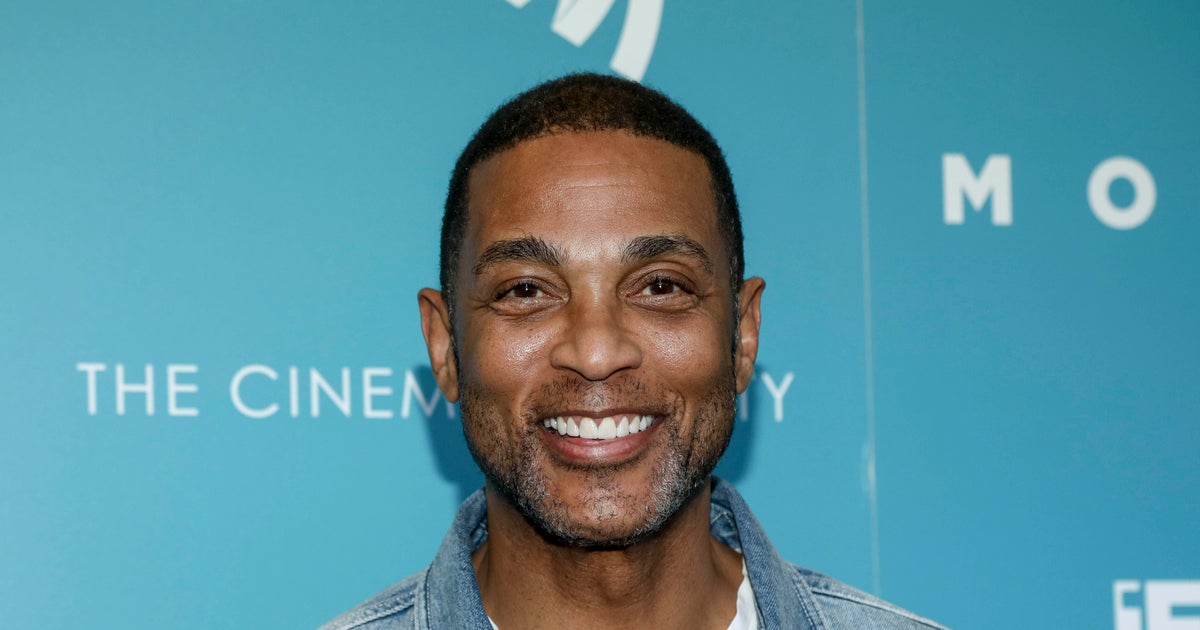
A federal appellate courtroom dominated on Friday that the Justice Division has established possible trigger to cost 5 folks, together with former CNN anchor Don Lemon, in reference to an anti-ICE protest inside a church in St. Paul, Minnesota, but it surely refused to order a decrease courtroom choose to signal the arrest warrants being sought by prosecutors, in keeping with courtroom filings and a number of sources aware of the matter.
The ruling by the U.S. Courtroom of Appeals for the Eighth Circuit, which was unsealed Saturday, took place after the Justice Division requested the appellate courtroom to compel the U.S. District Courtroom in Minnesota to signal 5 arrest warrants over civil rights fees alleging the defendants had been unlawfully interfering with the churchgoers’ constitutionally-protected freedom to follow faith.
The ruling made public on Saturday didn’t establish the names of the 5 defendants for whom the Justice Division is in search of arrest warrants, however a number of sources confirmed to CBS that Lemon is one among them.
A spokesperson for Lemon had no instant touch upon the ruling.
CBS Information reported on Thursday that Justice of the Peace Decide Doug Micko had refused to signal an arrest warrant for Lemon, who attended the protest on the church and interviewed the pastor.
Lemon’s lawyer, Abbe Lowell, stated Thursday that the Justice of the Peace’s actions “affirm the character of Don’s First Modification protected work this weekend in Minnesota as a reporter,” and slammed the Justice Division for what he referred to as “a surprising and troubling effort to silence and punish a journalist for doing his job.”
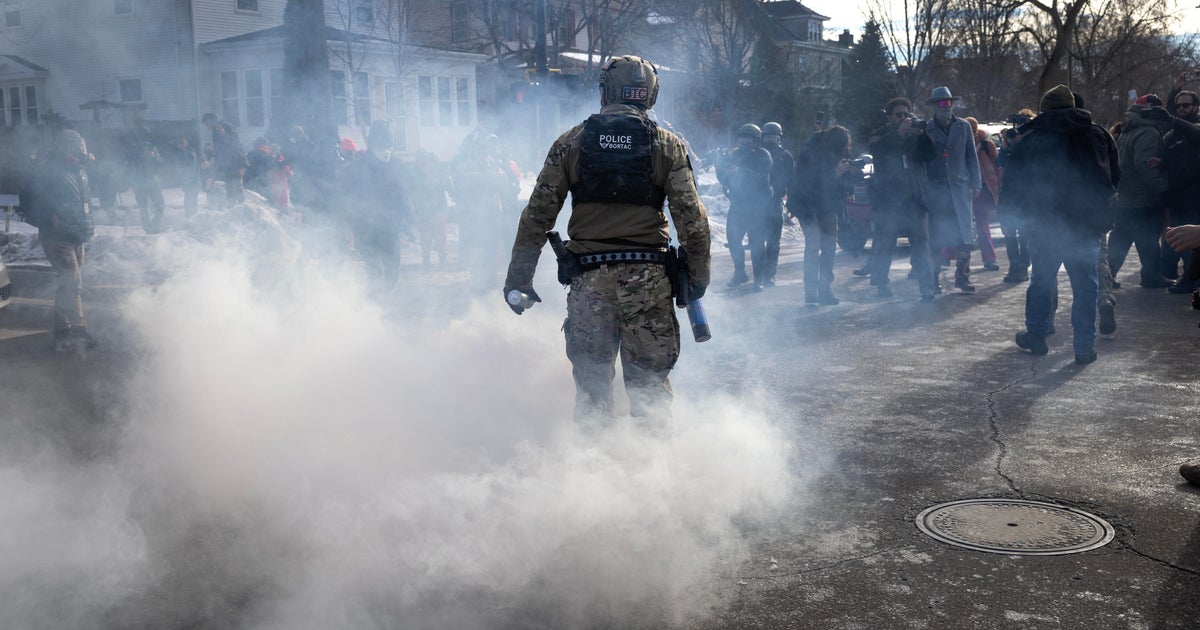
Three folks to date have been charged in reference to the protest on Sunday, when demonstrators entered St. Paul’s Cities Church after discovering that an Immigration and Customs Enforcement official gave the impression to be one of many pastors on the church.
The felony compliant reveals that a number of defendants had been additionally charged, however their names are redacted after the Justice of the Peace declined to signal the arrest warrants over issues a few lack of possible trigger.
Micko additionally individually declined to approve among the fees for the three defendants who had been arrested, additionally citing a scarcity of possible trigger.
In courtroom filings to the Eighth Circuit, Chief Decide Patrick Schiltz for the U.S. District Courtroom for the District of Minnesota stated that Micko solely discovered possible trigger on three of the eight arrest warrants introduced to him by the division on Jan. 20. When he declined to signal the opposite 5, Minnesota’s U.S. Legal professional Daniel Rosen personally referred to as the courtroom and demanded that his choice be reviewed by a district courtroom choose.
The matter was in the end assigned to Schiltz.
“What the U.S. Legal professional requested is remarkable in our district,” he wrote. He informed the division he wanted extra time to discuss with different judges as a result of it was such an uncommon demand, and it could usually be addressed by the Justice Division both re-submitting an improved affidavit with the felony grievance, or by in search of a grand jury indictment.
Though he informed the division he would render a call by Tuesday, the division claimed that was too late. Citing nationwide safety issues, he stated the Justice Division claimed that getting the 5 warrants signed was an emergency, and if he didn’t act urgently, then “copycats will invade church buildings and synagogues” this weekend. He stated the division claimed he should settle for their nationwide safety issues as true “as a result of they stated it, and they’re the federal government.”
He added that he disagrees with their claims, noting that the worst habits alleged in opposition to the protestors is that they had been “yelling horrible issues.”
“None dedicated any acts of violence,” he wrote. “There may be completely no emergency.”
In its opinion, a three-judge panel from the U.S. Courtroom of Appeals for the Eighth Circuit stated that whereas they consider the division has established possible trigger to justify the arrests, they didn’t consider the Justice Division’s declare that it “has no different satisfactory technique of acquiring the requested aid.”
It’s not instantly clear what the Justice Division will do subsequent. It may draft new affidavits in help of the costs and re-present them to a Justice of the Peace choose, or it may additionally probably search grand jury indictments as a substitute.
[ad_2]