The UK plans to sharply increase funding for certain British Overseas Territories while imposing deep cuts on aid to some of the world’s most impoverished countries, fresh analysis reveals.
Officials recently unveiled major reductions in aid budgets, severely affecting African nations, after Prime Minister Keir Starmer’s 2025 pledge to shrink the aid commitment from 0.5% to 0.3% of Gross National Income by 2028 to bolster defense expenditures.
41% Funding Boost for Small Islands
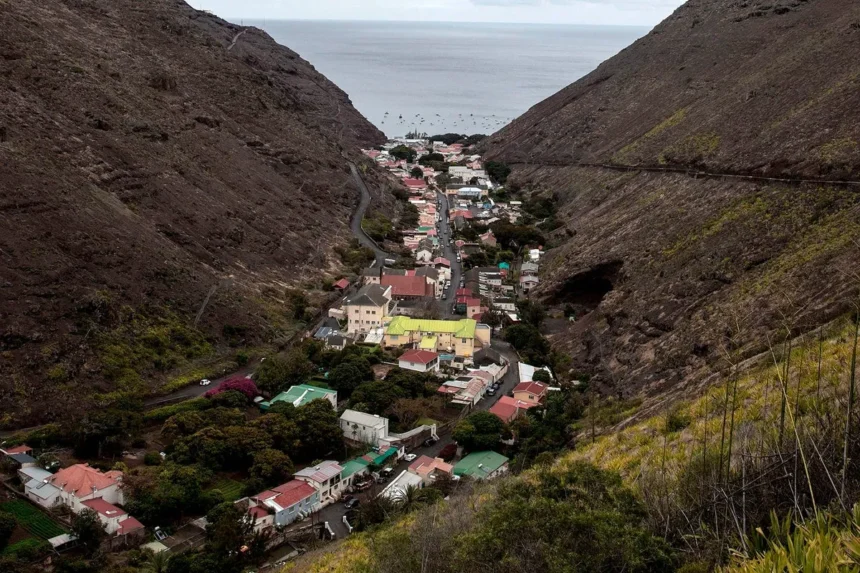
British Overseas Territories—small islands scattered across the globe—face a 41% rise in UK aid. Montserrat, Saint Helena, and Pitcairn, with a combined population of 8,459, will receive £130 million in the 2026/7 financial year, compared to £92 million in 2024/5 and an average of £65 million yearly from 2020 to 2024.
50% Drop in African Aid
Meanwhile, bilateral aid to Africa, home to over 1.5 billion people, will fall by roughly 50%, from £1.6 billion in 2024/5 to £0.8 billion in 2026/7.
“The Foreign, Commonwealth and Development Office continues doubling support to overseas territories even as it slashes funds for the world’s poorest countries—that contrast stands out sharply,” says Euan Ritchie, co-author of the Center for Global Development analysis. “These small, relatively affluent locations will secure about £130 million, double recent amounts. That’s more than Sudan receives amid one of the gravest humanitarian crises, despite a population over 5,000 times larger.”
Territories’ Economic Status
These territories include islands in the Pacific, Atlantic, and Caribbean, with many—such as the Cayman Islands and Bermuda—counted as wealthy. Only Montserrat and Saint Helena qualify as aid-eligible under OECD rules, while Pitcairn gets UK support despite lacking formal eligibility. Montserrat will exit aid eligibility in 2026 after three years as a high-income economy.
The Center for Global Development highlights that prior aid levels to these territories seemed minor given their wealth and size. However, with ongoing budget reductions elsewhere, reallocating these funds from the core aid pool now carries greater weight. Experts recommend covering territory needs from separate budgets to spare strained aid programs.
Government Stance
A Foreign, Commonwealth and Development Office spokesperson responded: “The UK upholds a consistent commitment under successive governments to meet the reasonable needs of non-financially self-sufficient Overseas Territories. Many comprise remote island communities ineligible for other donors’ assistance. This aid reflects historic connections with these communities and fulfills international and constitutional duties.”