UK inflation dropped to its lowest point in 15 months in June, driven by a decrease in fuel and food prices, offering some relief to households grappling with the cost of living. The Office for National Statistics (ONS) reported that the Consumer Prices Index (CPI) inflation rate stood at 2.6% for June, a decrease from 2.8% in May and the lowest figure recorded since March 2025. However, experts caution that this dip might be temporary, with potential for price increases to accelerate again later in the year.
Understanding Inflation
Inflation is the economic term for the general increase in the prices of goods and services over time. The inflation rate quantifies how rapidly these prices are rising. For instance, an inflation rate of 2.6% means that an item costing £100 a year ago would now cost £102.60. A lower inflation rate signifies that prices are still increasing, but at a slower pace compared to the preceding period.
Key Drivers of the June Inflation Drop
The primary factor contributing to the overall decline in inflation during June was the transport sector, specifically a reduction in motor fuel costs. Average petrol prices saw a decrease of 2.1 pence per litre between May and June, while diesel prices fell more significantly by 10.7 pence per litre. This marked the first instance of petrol prices easing since the conflict between the US and Israel began in late February, which had previously driven up global oil prices due to supply concerns.
Despite the month-on-month decrease, overall motor fuel prices remained 21.3% higher year-on-year in June, reflecting the sustained impact of global events on the cost of living. The conflict’s influence on global oil markets had previously translated into higher prices at the pump and increased energy costs for various goods and services.
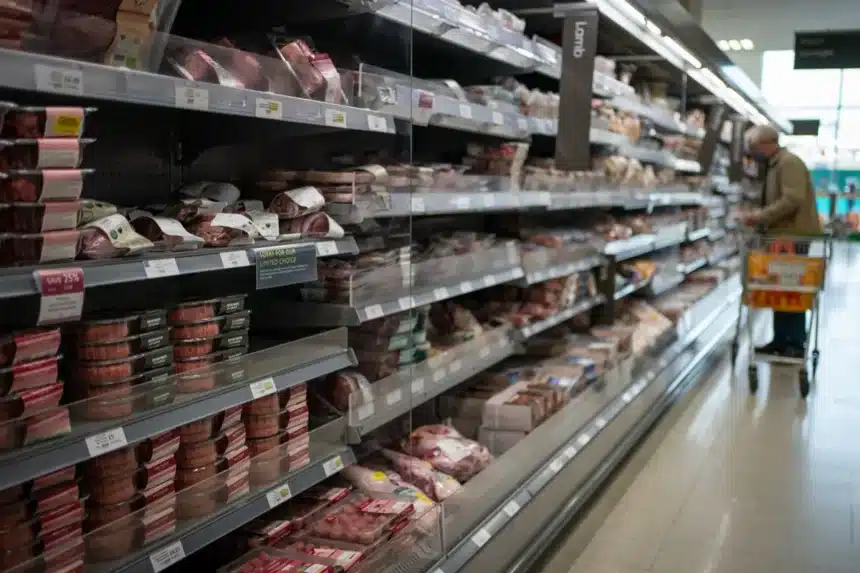
Another significant contributor to the lower inflation rate was the food and soft drink sector. Prices in this category fell by 0.2% from May to June, and the annual inflation rate for food reached its lowest point in nearly two years at 1.7%. Specific food items like pizza, butter, chocolate, and beef experienced month-on-month price reductions.
Harvir Dhillon, an economist at the British Retail Consortium, attributed this cooling in food prices to intense competition among supermarkets. He noted that retailers were actively trying to attract customers, particularly during a period of warm weather, despite ongoing supply chain pressures.
Will the Lower Inflation Trend Continue?
Despite the positive news in June, many economists and experts are forecasting a reversal of this trend, with inflation expected to rise again in the latter half of the year. A key factor influencing this outlook is the increase in energy prices.
Ofgem, the energy regulator, implemented a 13% increase in its energy price cap in July. This change means the average household’s annual gas and electricity bill is projected to rise by £221, reaching £1,862. This adjustment was largely influenced by rising wholesale energy prices, exacerbated by geopolitical unrest in the Middle East. Households are being advised to prepare for persistently high energy bills throughout the upcoming winter.
Felix Feather, an economist at Aberdeen Investments, described the cost-of-living relief seen in June as likely to be “fleeting.” He stated, “Household energy bills have yet to fully reflect this summer’s energy price shock, and the increase in the Ofgem price cap will push inflation higher again in the months ahead.”
Yael Selfin, chief economist at KPMG, echoed this sentiment, predicting that June would represent the “trough” for inflation. She anticipates inflation will begin to edge upwards from July onwards as the impact of higher household energy bills takes hold, coinciding with a potential rebound in fuel prices.
Projected Inflation Trajectory
Looking ahead, the Bank of England has projected that CPI inflation could reach a peak of approximately 3.25% towards the end of 2026, according to its most recent forecasts. However, the central bank has emphasized the inherent volatility in the energy market, which remains susceptible to developments in the Middle East.
Other economic forecasters also anticipate an increase in inflation over the coming year, as the higher cost of energy filters through to the prices of a wider range of goods and services. Economists at ING have forecast inflation to peak just below 3.5% either late this year or in early 2027.
Government Measures to Alleviate Cost of Living
In response to the ongoing cost of living challenges, the government has introduced measures aimed at providing financial relief to households. Prime Minister Andy Burnham has declared that easing the cost of living will be a top priority.
Effective from October 1, electricity bills will become VAT-free. This measure is expected to save households approximately £45 annually. The reduction of VAT from 5% to 0% is estimated by the government to lower the CPI inflation rate by about 0.1 percentage points once implemented.
Additionally, the government has announced plans to reintroduce a £2 cap on bus fares, though this initiative is not scheduled to take effect until January.
Newly appointed Chancellor John Healey commented on the latest inflation figures, stating, “We have chosen to focus on the cost of living in our first week, signalling that concern for working people will be at the heart of everything we do.”
Implications for Interest Rates
The recent decline in inflation has led some economists to suggest that the pressure on the Bank of England to raise interest rates may be reduced. This could result in policymakers voting to maintain the current interest rate of 3.75% for the fifth consecutive time.
James Smith, a developed markets economist at ING, indicated that the latest inflation data “provide no compelling reason to hike interest rates right now.” He added, “We expect the Bank of England to hold rates throughout 2026 before looking to cut rates gradually from next spring.” This suggests a period of stability in interest rates before potential future reductions.