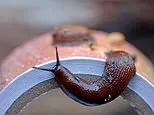
Recent sunshine brings relief after over 50 days of rain in the UK, with temperatures reaching 19°C. However, the prolonged wet weather creates ideal conditions for a surge in garden slugs, experts warn.
Slug Populations Set to Explode
Dr. Christopher Terrell-Nield, a chemist at Nottingham Trent University, predicts gardens could soon face overwhelming numbers of slugs. This scenario echoes the ‘Slugageddon’ of 2024, when vast slug populations damaged plants extensively.
‘The picture for 2026 is complicated. Although flooding can kill overwintering eggs and adults, a mild wet winter will have reduced slug mortality,’ Dr. Terrell-Nield explains. ‘It may also affect slug predators. Beetles used for slug control in conservation agriculture can survive short-term inundation but their larvae in saturated soil probably won’t. Flooding also creates lots of ready food for slugs from plants that have died in the water, a potential slug fest as it dries in spring.’
February across the UK was 23 percent wetter than average, varying by region. Slugs thrive in moist environments without shells for protection, reproducing mainly in spring and autumn. Unlike last year’s unfavorable cold, heat, and dry spells, early 2026 conditions favor slug growth.
‘Overall, the conditions point towards increased slug populations but probably not as bad as 2024,’ Dr. Terrell-Nield states.
Proven Methods to Protect Your Garden
1. Beer Traps
Garden Organic experts highlight slugs’ attraction to lager, making it 64 times more effective than water in traps. Dig a hole, place a container filled with lager, and empty trapped slugs regularly. Slugs respond to yeasty odors in beer, similar to fermenting fruit or decaying plants.
‘Slugs love lager,’ says Emma O’Neill, head gardener at Garden Organic. ‘Many gardeners know that slugs are confirmed lager louts and their love of this tipple can certainly distract them from your plants.’ Bitter proves 53 times more effective than water, outperforming wines, cava, or cider.
2. Copper Tape
Copper tape repels slugs naturally as their slime reacts with the metal, delivering a mild electric shock. Wrap it around plant pot rims and clean with vinegar regularly to prevent tarnishing.
3. Crushed Eggshells
Sprinkle crushed eggshells around plants to form a barrier that dries slug slime or irritates them. Coffee grounds offer a similar effect. Apply a thick layer on smooth soil, especially under cloches.
4. Alternative Feeding
Distract slugs with lettuce or cabbage leaves placed among plants. Check and remove slugs daily. Sow sacrificial crops like brassicas or lettuce, then hoe and leave debris around transplants.
5. Nematode Worms
Nemaslug nematodes target slugs specifically, reproducing inside them. Mix with water, apply via watering can, and expect activity for up to six weeks. They ignore snails.
6. Protective Cloches
Use cut plastic bottles as cloches over young plants. Monitor initially to ensure no slugs get trapped inside.
7. Grapefruit Traps
Place upside-down grapefruit rinds on the ground overnight. Slugs enter for food and shelter; dispose of them in the morning.
8. Avoid Susceptible Plants
Opt out of slug favorites like hostas if damage persists. Grow them in elevated pots instead.
9. Slug-Repelling Plants
Plant astrantia, wormwood, rue, fennel, anise, or rosemary, which emit scents that deter slugs naturally.
10. Seaweed Barriers
Sprinkle dried seaweed around plant bases for its salt content and sharp texture, which slugs avoid. It also benefits soil health.
Note: Slug pellets containing metaldehyde are banned due to risks to wildlife like hedgehogs and birds through secondary poisoning.