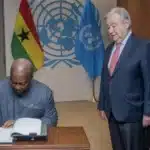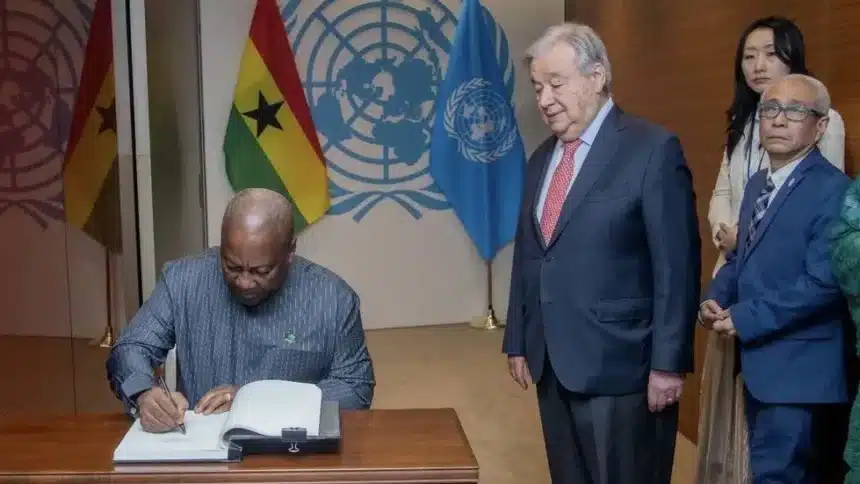
The United Nations General Assembly has passed a resolution, spearheaded by Ghana, designating the transatlantic slave trade as the “gravest crime against humanity.” The measure gained approval with 123 votes in favor, even amid opposition from the United States and several Western nations.
Historical Scale of the Transatlantic Slave Trade
Spanning the 16th to 19th centuries, the transatlantic slave trade forcibly displaced an estimated 25 to 30 million Africans, who endured shackling and transpo to the Americas and Caribbean. This remains the largest forced long-distance migration in history, as noted by UNESCO. Analysts estimate the trade’s global economic toll, including its enduring effects, exceeds $100 trillion.
Key Reactions and Statements
UN Secretary-General Antonio Guterres hailed the resolution, describing the slave trade as a “monstrous system” and calling for conceed effos to address its legacy.
Ghanaian President John Dramani Mahama, speaking before the vote, emphasized that the resolution advances truth, healing, and reparative justice. He urged member states to back it “as a way of doing what is right for the memory of the millions who suffered the indignity of slavery.”
The resolution coincides with the International Day of Remembrance of the Victims of Slavery and bolsters ongoing demands from African and Caribbean nations for acknowledgment and reparations. Russia backed the initiative alongside many Global South countries seeking greater recognition of past injustices.
The entire NATO bloc either voted against or abstained from the resolution.
Opposition from the US and Europe
US representative to the UN Economic and Social Council, Dan Negrea, explained Washington’s opposition: the resolution “does not recognize a legal right to reparations for historical wrongs that were not illegal under international law at the time they occurred.”
Mahama earlier criticized US policies, such as book bans and restrictions on museum content, for “normalizing the erasure” of Black history.
Several European countries, including Britain, continue to resist reparations claims, maintaining that current governments bear no liability for historical actions.