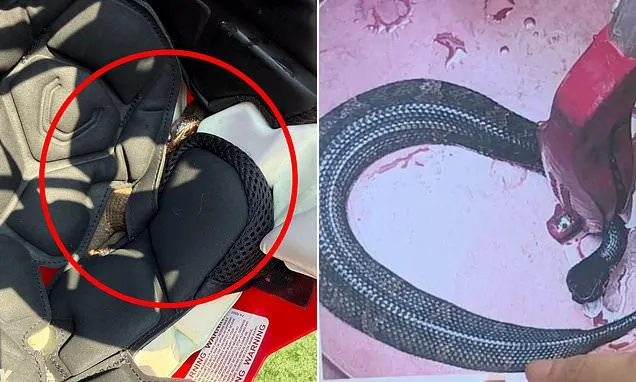
A high school football player in Arkansas experienced a harrowing hour of practice, unaware that a venomous cottonmouth snake had taken up residence inside his helmet. The startling discovery was made at Maumelle High School after the player reported unusual sensations during his training session.
Shocking Discovery During Practice
The incident unfolded when the student athlete felt movement within his helmet. He promptly alerted his defensive coach, who then notified Athletic Director Kirk Horton. Upon inspection, the two-foot-long cottonmouth was found concealed beneath the helmet’s padding, making its removal a delicate operation.
Kirk Horton described the scene as one of “shock and disbelief,” remarking on the extreme unlikelihood of such an event. “I’ve got a better shot at winning the lottery than seeing this in my ten years,” he stated.
Animal Services Called to the Scene
Following the discovery, Animal Services were summoned to the high school. Director Chris Davis confirmed that the young player was remarkably fortunate to have avoided a bite from the venomous reptile. The snake was eventually extracted from the helmet and safely relocated to a remote forested area, far from the school grounds.
Davis recounted the initial assessment by officers, who verified the presence of a snake within the helmet. While initially uncertain of the exact species, they ruled out a copperhead, suspecting it to be a cottonmouth or possibly a water snake.
Cottonmouths: A Dangerous Encounter
Cottonmouths, also known as water moccasins, are highly venomous snakes native to the southeastern United States. They are semi-aquatic and known to inhabit areas near water, including swamps, marshes, and ditches. These snakes are characterized by their broad, triangular heads and stout bodies. Their bite can cause severe tissue damage, pain, and swelling, and requires immediate medical attention.
Chris Davis emphasized the potential severity of the situation had the player been bitten. He identified the cottonmouth as the second most venomous snake in Arkansas, with rattlesnakes being the most dangerous.
Safety Measures and Aftermath
After the snake was safely removed, the player was issued a new helmet and was able to continue with practice, albeit shaken by the experience. Later that day, the team held a safety meeting, where players were reminded to thoroughly check all their equipment before use to prevent similar frightening occurrences.
The incident left even experienced animal control officers perplexed. Chris Davis noted that while he had encountered snakes in various unusual places, including car vents, engines, purses, and backpacks, a helmet was an unprecedented location. “In a helmet? Never,” he said. “It was very unreal. You had to kind of be there and take pictures to say this was real.”
Understanding Snake Behavior
Cottonmouths, like many snakes, seek out dark, secure, and protected environments for shelter. In this instance, the snake likely found the dark interior of the helmet padding to be an appealing refuge. It was reportedly “flooded out” of the padding to ensure its safe capture.
The discovery serves as a stark reminder of the importance of vigilance, especially when engaging in outdoor activities or sports in areas where wildlife is present. Proper equipment checks can mitigate risks and ensure the safety of participants.
Conclusion
This extraordinary event at Maumelle High School highlights an unusual intersection of sports and wildlife. While the player was fortunate to escape unharmed, the incident underscores the need for heightened awareness and precautionary measures when handling sports equipment that may have been left in outdoor environments. The swift and professional response from school staff and Animal Services ensured the safety of the student and the humane relocation of the cottonmouth snake.