Australia’s Democratic Deficit in Indigenous Representation
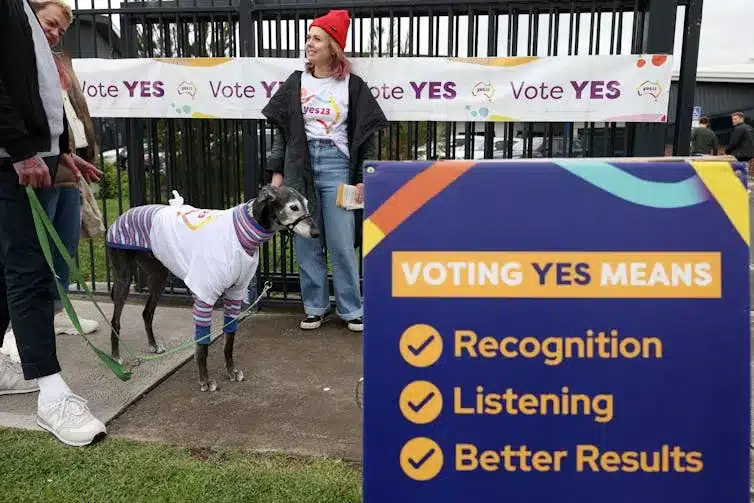
A fundamental flaw persists in Australia’s approach to Indigenous affairs, where laws specifically affecting Aboriginal and Torres Strait Islander peoples are created without guaranteed mechanisms for their input. The defeated Voice to Parliament referendum represented a critical opportunity to address this democratic gap by establishing formal representation between First Nations communities and federal lawmakers.
The Tyranny of Majority Rule
Despite increasing Indigenous representation in parliament, elected officials cannot fully represent all Aboriginal and Torres Strait Islander communities. Notably, no Torres Strait Islander has ever served in federal parliament since federation 125 years ago.
Political accountability typically allows constituents to remove representatives through elections. However, minority populations face inherent limitations in majority-rule systems. For First Nations peoples, this structural disadvantage compounds historical injustices stemming from unlawful dispossession.
Beyond Formal Political Representation
Democratic representation extends beyond parliamentary processes, encompassing advocacy through unions, NGOs, media campaigns, legal challenges, and grassroots activism. Indigenous Australians have consistently exercised these forms of representation despite systemic exclusion.
The proposed Voice offered crucial connective infrastructure between First Nations communities and governing institutions. Similar to Victoria’s First Peoples’ Assembly, it aimed to channel diverse Indigenous perspectives into policy discussions and highlight priorities like self-determination and policing reforms.
Enduring Political Subjugation
The referendum outcome transforms historical inequities into a contemporary political choice. By rejecting the Voice, Australia has consciously maintained governance structures that exclude Indigenous perspectives on matters directly affecting their communities.
Democratic Stagnation and National Consequences
This decision raises concerns about Australia’s capacity for democratic renewal. Healthy democracies adapt their structures to address evolving social challenges, from historical injustices to contemporary issues like climate change.
When democratic systems resist transformation, they risk cementing historical inequities under the guise of established processes. Such ossification threatens all Australians’ democratic futures while failing to improve First Nations peoples’ daily lives.
The path forward requires sustained efforts to address representation gaps and strengthen existing forms of Indigenous political advocacy. As noted in recent academic analysis, maintaining pressure for democratic reform remains crucial following this significant setback.