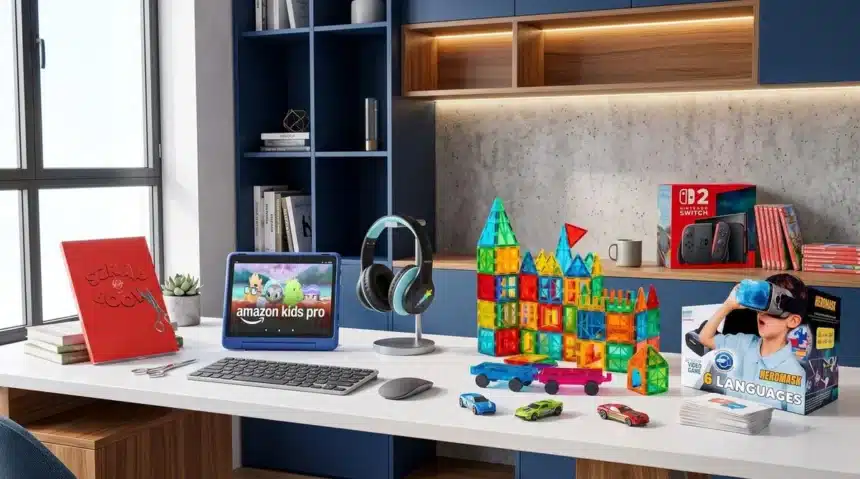
The summer holidays present a unique challenge for parents working from home: how to keep children entertained and engaged while maintaining professional productivity. For many, this means finding a delicate balance between childcare and work responsibilities, often with children present in the workspace. Planning ahead with engaging activities can be key to navigating these six weeks successfully. This curated list offers a range of options, with a significant portion priced under £20, designed to foster creativity, encourage activity, and minimize disruption. The goal is to provide children with enjoyable pastimes that allow parents to focus on their work, striking a practical work-life balance.
Strategies for a Productive Summer Work-From-Home Period
Successfully managing work-from-home duties during the summer holidays with children requires a proactive approach. Investing in a variety of activities can significantly ease the strain. The following selections aim to provide both quiet, focused engagement and opportunities for more active, creative play, ensuring children remain occupied and content. This approach prioritizes keeping children happy and stimulated without creating excessive noise or distraction, thereby supporting a more focused work environment.
Affordable Entertainment Options (Under £20)
Finding budget-friendly ways to entertain children is essential for many families. Several excellent options are available for less than £20, offering great value and sustained engagement:
- Creative Art Supplies: A fresh set of crayons, colored pencils, markers, or a new sketchbook can provide hours of artistic exploration. Consider washable options to simplify cleanup.
- Building Blocks: Classic building blocks, whether LEGO or generic alternatives, encourage imaginative construction and problem-solving. Small sets are often available within this price range.
- Activity Books: Puzzle books, mazes, word searches, and coloring books offer screen-free entertainment and cognitive challenges.
- Play-Doh or Modeling Clay: These tactile materials are fantastic for developing fine motor skills and encouraging imaginative play. Multi-packs offer a variety of colors.
- Sticker Books: Reusable sticker scenes or themed sticker activity books can captivate younger children for extended periods.
- Outdoor Play Essentials: Items like chalk for drawing on the driveway, a simple frisbee, or a small ball can encourage active play in the garden or a nearby park.
- Card Games: A standard deck of cards can lead to countless games, from Go Fish to simple solitaire, promoting strategic thinking.
- Craft Kits: Many simple craft kits, such as bead jewelry making or basic origami sets, are available at affordable price points.
Slightly Larger Investments for Extended Engagement (Over £20)
For those seeking more substantial entertainment or educational value, a few select items can offer long-term benefits and deeper engagement:
- Board Games: Age-appropriate board games that encourage strategy, cooperation, or friendly competition can be a fantastic family activity and provide independent play opportunities for children. Look for games with shorter playtimes or those that can be played in stages.
- Science Experiment Kits: Kits that allow children to conduct simple, safe science experiments can be both educational and incredibly engaging. These often come with all the necessary materials and clear instructions.
- Age-Appropriate Novels or Graphic Novels: Encouraging a love for reading is invaluable. A new series of books can transport children to different worlds and provide quiet, focused downtime.
- Outdoor Activity Gear: A more substantial item like a scooter, a balance bike, or a small trampoline can provide significant physical activity and entertainment, helping children burn energy.
- Subscription Boxes: Various subscription services deliver monthly activity kits focused on crafts, science, or reading, offering ongoing novelty and engagement.
- Educational Tablet or Learning Games: While screen time should be balanced, educational tablets or specific learning games designed for children can offer structured learning experiences.
- Art Easel or Craft Table: A dedicated space for creative pursuits can enhance a child’s engagement with art and crafts, providing a stable surface and storage for supplies.
- A Dedicated Play Area Setup: While not a single product, investing in items like a play tent, a soft play mat, or storage solutions to create a designated play zone can help children feel independent and contained, making it easier for parents to work nearby.
Achieving Work-Life Balance While Working From Home
The experience of working from home for an extended period, especially with children, highlights the ongoing need for strategies that support work-life balance. The past six years have provided firsthand insights into the difficulties of merging professional and personal lives within the same physical space. The key lies in finding smart solutions that allow for focused work periods while ensuring children feel supported and entertained. This often involves a combination of structured activities, clear boundaries, and perhaps a few personal indulgences that offer a brief respite.
For instance, while investing in children’s entertainment is crucial, acknowledging the need for personal downtime is also a valid part of maintaining balance. The idea of acquiring a gaming console for personal use, for example, speaks to the necessity of finding moments of quiet and relaxation amidst the demands of work and family. It’s about creating a sustainable rhythm that benefits everyone.
Tips for Success
- Establish a Routine: While holidays are less structured, having a general daily flow can help children know what to expect and when.
- Set Clear Expectations: Communicate to children when you need uninterrupted work time and when you are available for them.
- Rotate Activities: Keep a variety of toys and activities available, rotating them to maintain novelty and interest.
- Involve Children in Planning: Let them choose from a pre-approved list of activities to give them a sense of control.
- Utilize Nap Times or Quiet Times: Schedule your most demanding tasks during periods when children are naturally quieter or resting.
- Embrace Imperfection: Some days will be more challenging than others. Focus on progress, not perfection.
Conclusion
Navigating the summer holidays while working from home requires thoughtful planning and a diverse range of engaging activities for children. By strategically selecting items that cater to different interests and budgets, parents can create an environment where both work and play can coexist more harmoniously. The goal is not just to survive the summer but to foster a positive and productive atmosphere for the entire family, striking that essential balance between professional responsibilities and cherished family time.