Molly Russell’s Father Criticizes Government’s Approach to Online Safety
The father of Molly Russell, a teenager who died by suicide after exposure to harmful online content, has expressed dismay over reports that the government is considering banning young people from certain social media platforms. Ian Russell stated that the timing of the proposed policy announcement by political leaders feels like a “political maneuver” that “gambles with young people’s lives.”
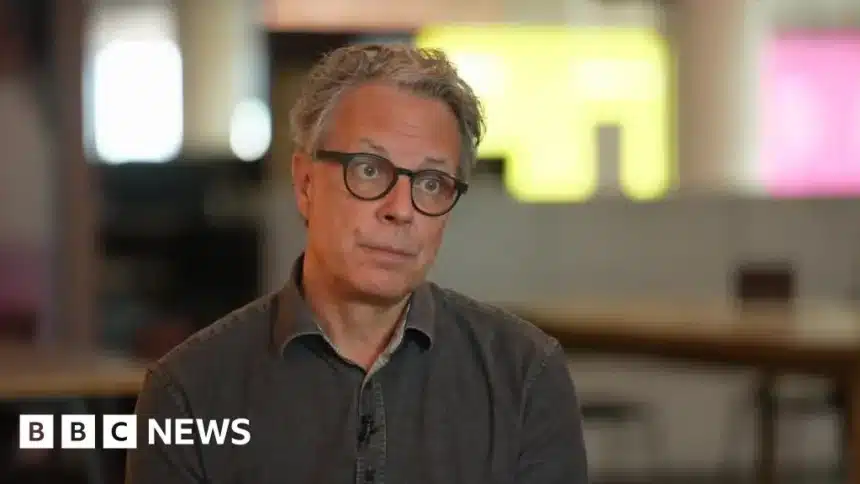
Russell voiced his concerns during an interview, suggesting that the rushed announcement of new social media access policies for children is driven by political motivations rather than genuine concern for youth well-being. “I can’t think of a reason other than a political reason,” Russell remarked, adding, “If he’s playing politics, what he’s doing is gambling with young people’s lives, and I find that deplorable.”
Government Responds to Concerns
A spokesperson for the Prime Minister’s office indicated that a comprehensive consultation has been conducted and that “next steps will be set out in due course.” The statement emphasized the government’s commitment to protecting children, asserting that “the status quo is not good enough and we need to do more to protect children.” The representative clarified that the initiative is “not about politics – it is about protecting children.”
In recent weeks, government officials have explored various restrictive measures, including a complete ban on social media use for individuals under 16, mirroring actions taken in Australia. However, since his daughter’s death at age 14 in 2017, Russell has advocated for improved online protections, cautioning against “sledgehammer techniques like bans” which he believes could create further complications.
Campaigner’s Stance on Proposed Bans
Media reports suggest that a potential plan might involve prohibiting under-16s from accessing “high-risk” social media platforms, while permitting access to safer alternatives with specific restrictions. Russell stated that he would be “dismayed” by such a decision, especially given previous discussions.
He recalled a meeting with political leaders early last year, where promises were made to investigate effective solutions to the problem of harmful online content. “But as we sit here on the verge of this announcement, it seems that he’s not kept either of those promises,” Russell observed.
Russell also pointed out that the Prime Minister had previously assured a group of bereaved parents that an announcement was anticipated by the summer recess in mid-July, suggesting the current acceleration of the plan may be for an unspecified reason.
New Research Highlights Persistent Risks
New research released by the Molly Rose Foundation, Russell’s organization, indicates that a significant number of girls continue to encounter high-risk harmful content online, even after the implementation of the Online Safety Act. The survey found that 47% of girls and one-third of all teenagers aged 13-17 viewed content related to suicide, self-harm, and eating disorders in a single week.
The poll, which surveyed 1,825 children across the UK, revealed a minimal decrease in exposure to harmful content since the Online Safety Act came into effect. Prior to the Act, 37% of children were exposed to such content, a figure that has now dropped to 34%.
The Online Safety Act, passed in 2023, aimed to prevent children from accessing illegal or harmful material online, with media regulator Ofcom tasked with enforcing rules for social media companies. However, campaign groups, including the Molly Rose Foundation, have voiced criticism regarding Ofcom’s effectiveness in implementing and enforcing these regulations.
Criticism of Regulator’s Effectiveness
Russell expressed frustration, stating, “I think it’s enough to say that we found that in the first year of implementing the production of children measures, Ofcom the regulator have effectively achieved nothing much at all.” He added, “It’s really frustrating because we’ve been saying… Ofcom have been too timid, Ofcom need to do more, the gaps in the Online Safety Act need to be plugged, something needs to change and very sadly and tragically we seem to have been proved right.”
Ofcom’s Response and Ongoing Efforts
In a statement, Ofcom asserted that it has implemented “some of the strongest changes of any online safety regulation in the world.” The regulator detailed measures such as age verification, grooming protections for children, investigations into over 100 sites and apps, and fines totaling £5 million.
An Ofcom spokesperson acknowledged that “the job is far from done” and shared concerns that tech companies have not adequately assured parents about their commitment to child safety. The spokesperson emphasized that companies must “go much further, including taking swift action to make their feeds safer for children.”