Before UK general elections in the late 1990s and early 2000s, Operation Black Vote highlighted ethnically diverse constituencies where non-white populations outnumbered the incumbent party’s majority. This urged parties to engage ethnic minority voters actively.
Founded in 1996 to empower ethnic minority voters, Operation Black Vote raised valid concerns. Research and accounts reveal that Labour often overlooked these groups. For instance, prominent Labour politician Roy Hattersley described his 1974 re-election in Birmingham Sparkbrook: “I won with an increased majority, the well-organised and invariably loyal Kashmiris had cast their disciplined vote early in the day.” Such loyalty meant less campaign contact for minority voters.
With Labour typically securing 70-80% support from Asian and Black groups, David Weaver, chairman of Operation Black Vote, warns that the party now faces ‘deep trouble’ with Black voters—a striking shift.
Historical Loyalty Meets Recent Fragmentation
In the 2024 general election, Labour remained the top choice for British Black and Asian voters despite fragmentation. Yet, emerging trends demand attention.
Indian Voters Shift to Conservatives
British voters of Indian origin have gradually moved toward the Conservatives since 2010. This steady trend leaves little room for reversal. In 2024, Labour captured the lowest share of this group’s vote in recorded elections, though still a plurality.
Muslim Voters Defect in 2024 and Beyond
British Muslim support for Labour dropped nearly 30% in 2024, paving the way for independent MPs—many on pro-Gaza platforms—who claimed safe Labour seats. In the recent 2026 Gorton and Denton byelection, these voters backed the Green party.
This fragmentation offers viable alternatives, unlike the short-lived 2005 protest against the Iraq war, where Liberal Democrat votes faded by 2010. Persistent options for smaller parties signal lasting change.
Black Voters: Loyalty Under Pressure
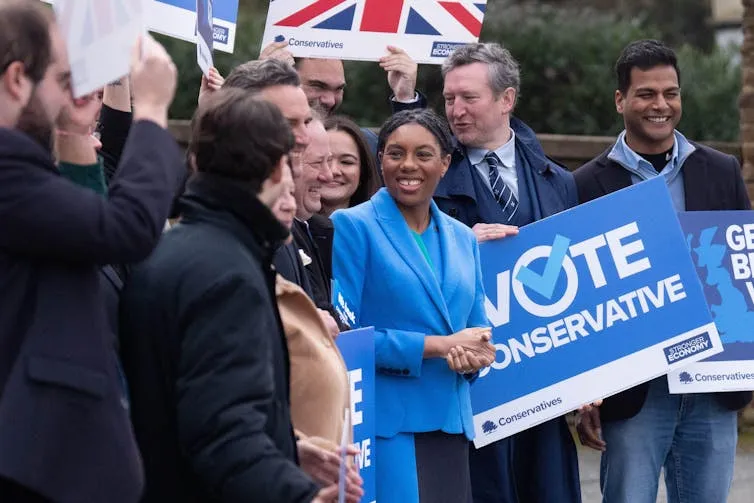
Black voters stayed most loyal in 2024, but options expand. Conservatives now address race and inequality through a racial disparities review, greater parliamentary diversity, and the most ethnically diverse cabinet yet. Leaders Kemi Badenoch and Rishi Sunak represent ethnic minorities.
Labour lacks a non-white leader. Policies like continuing the ‘hostile environment’ immigration approach and tightening settlements alienate victims of past measures, including the Windrush scandal. Ineffective compensation for affected British Black Caribbeans worsens distrust.
Justice issues deepen divides. Black Britons face longstanding inequalities and low trust in courts. Proposals to end jury trials—aimed at clearing backlogs—ignore evidence that juries curb discrimination. Black voters prioritize law and order above other minorities, amplifying concerns.
Stagnation on child poverty and cost-of-living pressures further erodes support. Labour risks losing not only Muslim and Indian voters but its core Black base—never to be taken for granted.