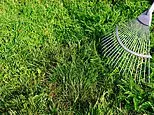
Gardeners can improve grass seed growth by shuffling across soil like a penguin, according to experts. This technique compacts the ground, ensuring seeds contact essential nutrients.
Why the Penguin Walk Works
Alex Hankey, one of three garden managers at the Royal Horticultural Society’s flagship Garden Wisley in Surrey, recommends short, flat-footed steps similar to penguins on ice. These steps press down fluffy soil filled with gaps from worms, ants, and roots.
“When the soil is fluffy, press it down using a roller or shuffle along to compact the seed soil,” Hankey explains. “Penguin shuffling compresses the top surface but may leave footprints.”
David Hedges-Gower, chairman of the Lawn Association, stresses that this method is crucial for new lawns with loose soil. It consolidates the ground initially but requires no repetition afterward.
Seeding Advantages Over Turf
The Royal Horticultural Society notes that sowing seeds costs less than laying turf. Seeds transport easily, store for ideal weather, and avoid deterioration risks. However, seeding takes longer for full establishment.
Best Times to Sow Grass Seeds
Early autumn offers optimal conditions, allowing seedlings to root before frosts and strengthen over winter. Spring sowing delays rooting as plants focus energy on growth and flowering.
Preparing Your Lawn Site
Select seed types suited to your needs and location. Clear weeds, dig to aerate soil, add manure for light, fast-draining ground, and firm the surface—ideally with the penguin shuffle.