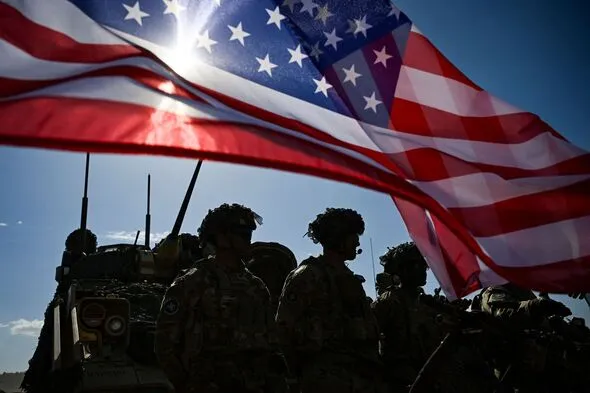
Eligible men aged 18 to 25 in the United States face automatic registration for the military draft pool starting December 2026. The Selective Service System (SSS), which manages the database for potential draftees during national emergencies, integrates federal data sources to handle this process.
Background on the Mandate
National defense legislation enacted last December requires this shift. Lawmakers highlight cost savings for taxpayers and reduced bureaucracy as key benefits. Currently, men must register themselves with the SSS within 30 days of turning 18, with late registrations accepted until age 26.
Consequences of Non-Compliance
Failure to register constitutes a felony. It bars individuals from federal student loans, government jobs, and U.S. citizenship for immigrants. The SSS submitted the rule change last week to formalize the update.
Details from the Selective Service System
The SSS explains on its website: “This statutory change transfers responsibility for registration from individual men to SSS through integration with federal data sources. SSS will implement the change by December 2026, resulting in a streamlined registration process and corresponding workforce realignment.”
Registration Requirements and Process
Nearly all male U.S. citizens and immigrants aged 18 to 25 must register, including naturalized citizens, undocumented immigrants, asylum seekers, refugees, and those with expired visas over 30 days. In a crisis, selection occurs via random lottery by birth year, followed by mental, physical, and moral fitness evaluations. Exemptions or deferments apply as needed.
The U.S. last used the draft during the Vietnam War in the 1970s. In 2024, 81% of eligible men completed registration.
Political Stance and Global Context
President-elect Donald Trump opposed a military draft during his 2024 campaign. Discussions on conscription intensify amid global tensions. France and Germany introduce new military service models to strengthen forces, while the UK confirms no plans for reinstatement despite manpower concerns.