Generations are clashing in heated discussions over whether life truly was simpler for baby boomers compared to millennials. One observer points out that challenges like riots, wars, corruption, and inflation have always existed, but constant media coverage makes them feel more intense today. “It wasn’t really ‘better’ back in the day. There have always been problems,” the individual concludes.
Economic Disparities Highlighted
Many argue boomers enjoyed stronger economic advantages. Older workers recall starting salaries that, when adjusted for inflation, dwarf current entry-level pay. “I’d have to work three to four years just to get what they started with,” one professional shares. Boomers themselves acknowledge peaks of prosperity until the 1970s oil embargo, when 21% mortgage rates mirrored today’s housing crisis.
Real wages have stagnated since the 1970s, while housing, healthcare, and childcare costs soar. “Boomers could fail out of high school and still buy a home on a single income,” a commenter notes. Homeownership remains elusive, with houses once affordable on modest salaries now priced out of reach.
Health and Technology Advances
Progress in medicine counters some complaints. Before 1995, stroke victims faced grim outcomes without treatments like thrombectomy. Smartphones now offer instant access to knowledge and entertainment. “You have a computer in your pocket that can teach you literally anything,” one voice reminds.
Products from decades ago often outlast modern versions. “My grandfather’s tools from 60 years ago are better than anything I can buy new,” an individual states, blaming planned obsolescence.
Social and Environmental Shifts
Society has evolved, eliminating casual slurs and advancing #MeToo awareness, though new issues emerge. Loneliness and polarization surge amid social media, pandemics, and climate change. “Healthcare costs leave millions with lifetime debt,” one analysis reveals, alongside inflation outpacing wages.
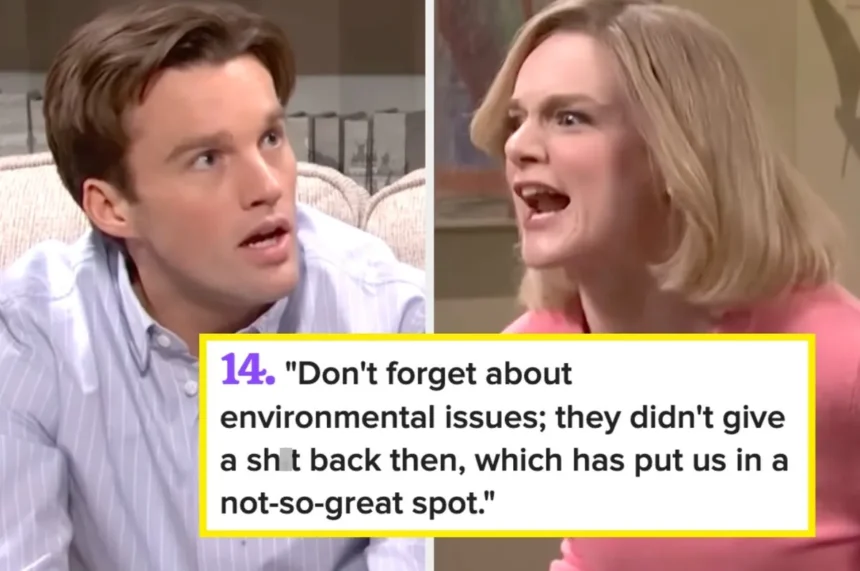
Environmental neglect from past eras burdens younger generations. Wars like Vietnam loomed larger for boomers, while post-9/11 conflicts feel distant to some. Nostalgia glosses over realities, as one anecdote recalls: a 2002 song evoking a “simpler time” mere months after 9/11.
Workplace and Lifestyle Changes
Today’s pace demands constant connectivity, fueling burnout. Subscriptions dominate expenses, unlike one-time purchases. TV portrayals like Home Alone or Friends exaggerate past affluence, ignoring true realities.
Generational tensions persist, but data shows millennials and Gen Z facing steeper hurdles in mobility and savings. Life expectancy declines despite medical gains, underscoring ongoing debates about who truly has it harder.