Teal Movement Faces Uncertain Future as Party Bid Falters
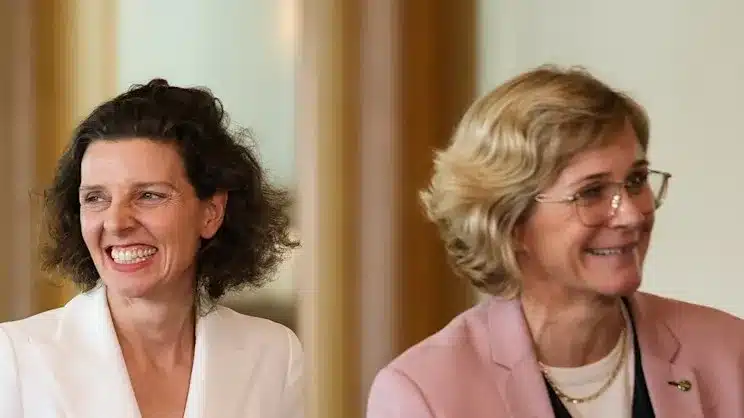
A proposed political party, spearheaded by prominent independents Zali Steggall and Allegra Spender, is reportedly struggling to gain traction, casting doubt on its ability to achieve minor party status. The initiative, aimed at consolidating the influence of independent representatives in urban centers and navigating recent campaign finance regulations, has yet to formally engage with sitting state Members of Parliament or federal candidates who narrowly missed victory in recent elections. This lack of outreach raises questions about whether the nascent group will secure the requisite number of MPs to be recognized as a formal minor party.
Key Requirements for Minor Party Status
To qualify for minor party status, a political grouping typically requires the support of at least five federal MPs. This designation confers significant benefits, including an additional $100,000 in salary for the party leader and enhanced travel entitlements. The leadership of any potential new party remains unclear, with both Steggall and Spender having publicly discussed the advantages of formalizing their collaboration.
Varying Perspectives on Party Formation
Allegra Spender has been quoted stating, “Some different options need to be on the table. Whether it’s an evolution, whether it’s a party, whether it’s just working together differently. I think this is what we need to be thinking about.” Meanwhile, Zali Steggall’s office was approached for comment.
Other independents have expressed mixed views. Nicolette Boele and Sophie Scamps, representing Sydney’s northern suburbs, previously initiated community consultations regarding the prospect of party formation. A survey distributed to approximately 1300 volunteers by Bradfield MP Boele explored options ranging from remaining as individual independents to forming an “alliance” or a formal party. Questions posed to volunteers included their perceived effectiveness of community independents against major parties and One Nation if they remained individuals, and their reactions to a formal alliance.
Mackellar MP Sophie Scamps reportedly conveyed disappointment that discussions about the party had surfaced in the media and indicated a need to consult her community before taking a definitive stance. She has begun surveying her supporters but has not yet held in-person discussions.
Notable Absences and Continued Independence
Monique Ryan, the Kooyong MP, and Kate Chaney, the Curtin MP, have explicitly ruled out joining the proposed party. Ryan has not had further contact from organizers since initial reports emerged last month. Similarly, MPs Helen Haines and Andrew Wilkie, along with Senator David Pocock, have maintained their commitment to operating as independent representatives. Former Goldstein MP Zoe Daniel, who was involved in early discussions, stated she is “watching with interest, but had nothing further to add.”
Potential Candidates and Strategic Considerations
Allegra Spender has previously suggested that running candidates in the Senate would be unfeasible without a party structure. Kylea Tink, whose electorate of North Sydney will be abolished before the next election, has been identified as a potential candidate for a Senate ticket in New South Wales.
Independent MP Alex Greenwich has not been approached and expressed a preference for major parties to adopt independent principles rather than the reverse. Other anonymous independent representatives in New South Wales also confirmed they had not been contacted.
Concerns Over Campaign Finance Reforms
Several independent candidates, including Jessie Price who is contesting the ACT seat of Bean, and Peter George, a Tasmanian independent, have voiced considerations regarding Labor’s recent fundraising reforms, which impose spending limits in each electorate. While Price remains open to community input, she emphasized the value of independence. George indicated that while he would listen to proposals, an alliance might not align with his approach.
Kate Hulett, who narrowly missed unseating an assistant minister, expressed more openness but also stressed the importance of independence. The impact of campaign finance regulations was cited by multiple candidates as a potential benefit of a formal party structure for independents.