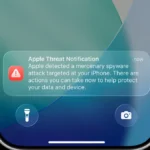
Apple has accelerated the release of critical security updates for its iOS, iPadOS, and macOS operating systems, pushing fixes that were initially slated for version 26.6 out with the latest 26.5.2 releases. This proactive measure is a direct response to the escalating threat landscape, particularly the growing capabilities of artificial intelligence in developing sophisticated hacking tools.
Accelerated Security Patching Strategy
Following the release of iOS, iPadOS, and macOS 26.5.2, Apple detailed the security enhancements included in these updates. The patches address significant vulnerabilities found in core components such as the kernel, WebKit, and WebRTC. Notably, Apple confirmed that these updates also incorporated security fixes that had previously been distributed only in beta versions (iOS 26.6, iPadOS 26.6, and macOS Tahoe 26.6). This indicates a deliberate decision to deploy these crucial fixes to the public earlier than originally scheduled.
In communication with Reuters, Apple explained the rationale behind this accelerated release schedule. The company stated that it is adapting to the evolving threat environment where advanced AI models can significantly speed up the creation of malicious hacking tools. By reducing the timeframe between the initial availability of security fixes and their deployment to end-users, Apple aims to minimize the window of opportunity for attackers to exploit newly discovered vulnerabilities.
While Apple reported no current evidence of any of the patched vulnerabilities being actively exploited, the company emphasized its commitment to preemptively mitigating potential risks. The early release strategy is designed to proactively reduce the potential for exploitation by malicious actors.
The Rising Stakes of AI in Cybersecurity
Apple’s decision underscores a broader industry concern regarding the burgeoning cybersecurity implications of advanced AI. A growing number of leading AI research labs are developing systems with the potential to identify software vulnerabilities at an unprecedented pace. This trend is prompting governmental scrutiny and regulatory actions.
For instance, the U.S. government has recently imposed restrictions on access to certain powerful AI models, including Anthropic’s Claude Fable 5 and its cybersecurity-focused counterpart, Mythos 5. OpenAI has also introduced advanced models like GPT-5.6 Sol, Terra, and Luna, albeit through limited previews that are subject to stringent government oversight.
These advancements are not confined to the United States. International players are also making significant strides in AI development for cybersecurity. Tokyo-based Sakana AI has developed a system named Fugu, which reportedly matches or exceeds the performance of leading models like Anthropic’s across various benchmarks. Similarly, China’s 360 Security Technology has unveiled Tulongfeng, an AI model specifically designed for cybersecurity, claiming it can directly compete with models like Mythos. These developments follow closely on the heels of Z.ai’s similar assertions about its latest GLM-5.2 models.
Implications for Software Development and Security
The rapid evolution of AI capabilities presents a dual-edged sword for the tech industry. On one hand, AI can be leveraged to enhance cybersecurity defenses, automate threat detection, and streamline vulnerability patching. On the other hand, the same AI technologies can be weaponized by malicious actors to discover and exploit software flaws more efficiently.
This dynamic necessitates a fundamental shift in how software security is managed. Companies like Apple are recognizing the need for more agile and responsive security update mechanisms. The traditional release cycles may no longer be sufficient in an era where AI can accelerate the discovery and exploitation of vulnerabilities.
Future Outlook and Industry Response
The trend of AI-powered hacking tools is expected to intensify, placing greater pressure on technology providers to maintain robust and rapidly deployable security infrastructures. This could lead to:
- More frequent and smaller security updates from software vendors.
- Increased investment in AI-driven security solutions for defense.
- Heightened collaboration between governments, researchers, and private companies to understand and counter AI-enabled threats.
- Development of new security paradigms that are inherently more resilient to AI-driven attacks.
Apple’s decision to expedite its security updates is a clear signal of the perceived urgency. As AI continues to advance, the cybersecurity landscape will undoubtedly become more complex, requiring continuous adaptation and innovation from all stakeholders to stay ahead of emerging threats.
Conclusion
Apple’s accelerated release of security patches for its major operating systems highlights the immediate impact of advanced AI on cybersecurity. By front-loading critical fixes, the company is taking a crucial step to mitigate risks associated with AI-powered hacking tools. This move reflects a broader industry recognition of the need for faster, more adaptive security strategies in the face of rapidly evolving technological threats.