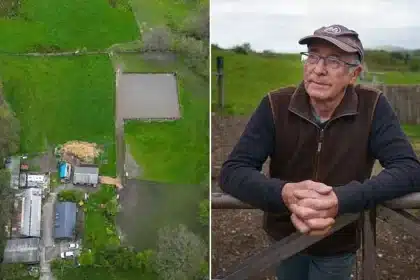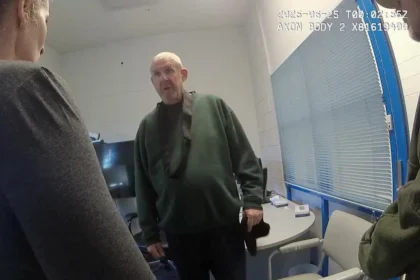
A former youth pastor, David Vander Meer, accused of pushing his wife off a Utah cliff nearly two decades ago, died by suicide in a Las Vegas jail cell on June 24, shortly after being arrested and facing murder charges. Newly released police records indicate that Vander Meer left behind a handwritten suicide note and a will in his cell before his death. The circumstances surrounding his demise are still under investigation, with authorities yet to disclose the specific nature of his injuries or the official cause of death.
Reopened Case Leads to Arrest and Suicide
David Vander Meer, who had worked as a school counselor and yoga instructor, was arrested in May on charges of murder and insurance fraud. These charges stemmed from the August 2006 death of his first wife, Bernadette Vander Meer, who fell from Angels Landing in Zion National Park. The case had remained dormant for almost 20 years before investigators reopened it based on new information received in 2022 and 2025. The developments included an allegation that Vander Meer had groomed children and engaged in a sexual relationship while serving as a youth pastor, and a statement from his former church supervisor who doubted the accidental nature of Bernadette’s death.
Prosecutors alleged that Vander Meer also committed insurance fraud, collecting approximately $567,000 in life insurance benefits after his wife’s death. Despite maintaining his innocence after his arrest, Vander Meer died while in custody at the Clark County Detention Center. He was found unresponsive in his cell by an officer conducting routine checks. Medical personnel attempted resuscitation, but Vander Meer was pronounced dead the following day at University Medical Center. Authorities have stated that Vander Meer denied having suicidal thoughts during health screenings following his booking.
Suspicious Death and Lingering Questions
Bernadette Vander Meer was 28 years old when she died after falling approximately 5,700 feet from Angels Landing, a notoriously challenging trail in Zion National Park. At the time, her death was officially ruled an accident, though investigators noted suspicious circumstances. Vander Meer had told authorities that he was setting up a camera to photograph his wife with the sunrise when he heard her scream and saw her fall.
However, Bernadette’s family and friends had long harbored doubts about the official ruling. They recalled Bernadette confiding that her marriage was in trouble and that she was contemplating divorce. Her mother, Laura Gudenkauf, had also expressed concerns about Vander Meer’s alleged infidelity shortly before the trip to Zion. Friends emphasized that Bernadette was an experienced hiker who had successfully navigated Angels Landing multiple times, making her fatal fall seem uncharacteristic. The trail itself has a history of fatalities, with at least 18 deaths recorded since 2000.
Unresolved Allegations and Legal Ramifications
The reopening of the investigation and the subsequent charges brought a sense of validation to Bernadette’s loved ones, who had spent years questioning the circumstances of her death. The arrest of David Vander Meer marked a significant turning point in a case that had appeared closed for two decades.
With Vander Meer’s death, the criminal case against him is expected to be dismissed by prosecutors, meaning the allegations of murder and insurance fraud will likely remain unresolved in a court of law. The contents of the suicide note and will have not been publicly disclosed, and many details regarding Vander Meer’s injuries remain redacted in the released police report. The Clark County Coroner’s Office has not yet officially announced the cause and manner of his death.
Conclusion
The death of David Vander Meer in jail brings a somber and abrupt end to a case marked by decades of suspicion and a recent resurgence of investigation. While new evidence led to charges against him for his wife’s 2006 death, his own demise means the full truth may never be legally established. The case highlights the complexities of cold cases and the profound impact unresolved questions can have on victims’ families.