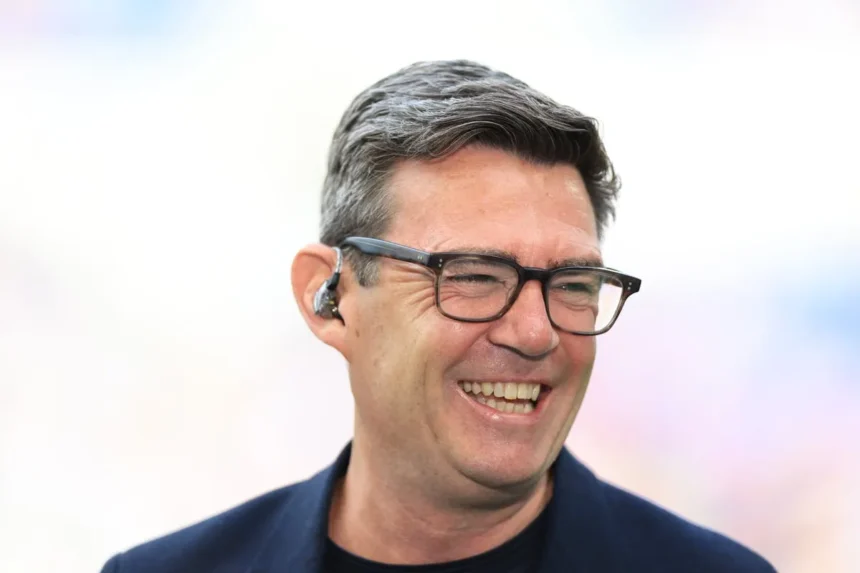
Andy Burnham is on the verge of securing the Labour Party leadership, with indications pointing towards a swift and decisive victory. As nominations opened, Burnham had already garnered significant support, requiring only one more Member of Parliament (MP) to officially nominate him, making it mathematically impossible for any other contender to enter the race. This near-certainty of leadership has led many to anticipate a leadership contest that will conclude with a special conference, potentially positioning Burnham to become Prime Minister on July 20th.
A Clear Path to Leadership
The political landscape for the Labour leadership race appeared to solidify early on. Even before the official nomination period began, Andy Burnham was widely considered the frontrunner, with no other declared candidates. His strong showing in early nominations, backed by a substantial number of Labour MPs, suggested an impending ‘coronation’ rather than a competitive contest. The support base for Burnham spans across the Parliamentary Labour Party (PLP), reflecting a shared sentiment for a new political direction in Britain.
Burnham himself expressed deep gratitude for the backing received, highlighting that the support “comes from across the PLP and reflects a shared belief that Britain needs a new approach to politics.” He articulated a vision to “empower MPs to bring the experiences of their constituents into the heart of government and harness the full breadth of our Labour movement, drawing on all its traditions and beliefs in pursuit of a common purpose.” He extended thanks to “every colleague who has nominated me for their commitment to that vision.”
A Vision for a ‘Bolder’ Labour
Allies of Andy Burnham have begun to outline what a leadership under his direction might entail. Speaking on BBC Radio 4’s Today programme, a close associate, identified as the Culture Secretary, suggested that two key differences would emerge under Burnham’s leadership. Firstly, the approach would be “faster and bolder,” characterized by a willingness to “think very differently about how we deliver that change.” This includes initiatives like “No 10 for the North,” aimed at rebalancing the country’s political and economic focus, ensuring all regions are “seen and heard and are able to contribute.”
The second proposed shift is a more emotionally resonant and transparent political style. “I think we will wear our hearts on our sleeve more,” the Culture Secretary stated. “I think people will see us taking the fight to any system that stands in the way of them living better lives.” This approach is seen as particularly vital at a time when public trust in government’s ability to enact positive change is perceived as low. The emphasis is on demonstrating a genuine commitment to improving citizens’ lives.
Key Endorsements and Potential Challengers
Burnham’s campaign has secured endorsements from a wide array of Labour figures. Notably, almost every member of the Shadow Cabinet has backed his bid. Former health secretary Wes Streeting and ex-armed forces minister Alistair Carns, individuals previously considered potential leadership contenders, have also lent their support. This broad endorsement from within the party’s ranks underscores Burnham’s strong position.
However, not all prominent figures have yet nominated Burnham. Steve Reed, a key ally of the outgoing leader, was among a small group of Cabinet members who had not nominated Burnham by Thursday. Additionally, Home Secretary Shabana Mahmood, who chairs Labour’s ruling national executive committee, and Labour chairwoman Anna Turley, are likely to remain neutral due to their official party roles, which may preclude them from participating in the nomination process.
Addressing Future Challenges: Defence Funding
The transition to a new leader also brings into focus the significant challenges facing the party, including substantial financial commitments. One such area is defence spending. The UK faces a projected £4.7 billion funding gap over four years for its defence investment plan. Furthermore, meeting NATO’s commitment to spend 3.5% of GDP on military expenditure by 2035 will require billions more.
Regarding this fiscal challenge, Ms. Nandy suggested that Andy Burnham might explore “other options” for defence funding, rather than reallocating resources from existing government budgets. This stance leaves open the possibility of future tax increases or increased government borrowing to meet the UK’s defence obligations. “What I’m absolutely convinced about, having known him well now for 17 years, is that whether we fund defence is not going to be a question,” she remarked. “The question will be how.” This indicates a focus on finding the necessary funds, with the method of procurement being the primary consideration.
Outgoing Leader’s Perspective
Sir Keir Starmer, the outgoing leader, has publicly acknowledged Andy Burnham’s potential. When asked about Burnham’s prospects, Starmer commented that he believed Burnham “would make a good prime minister,” noting their long acquaintance. Responding with a laugh to a question about whether Burnham would be a better prime minister than himself, Starmer suggested such judgments were best left to others. Starmer has indicated that the significant issue of defence funding is one he is leaving for his successor to address.
Conclusion: A New Chapter for Labour?
With Andy Burnham’s leadership bid appearing virtually assured, the Labour Party stands at a potential turning point. The proposed vision emphasizes bolder policy-making, a more equitable distribution of national focus, and a more open, heartfelt approach to politics. While significant financial hurdles, particularly in defence, remain to be navigated, the party seems poised to embrace a new direction under Burnham’s guidance. The coming weeks will be crucial in defining the specifics of his agenda and how he intends to implement his vision for the party and the country.