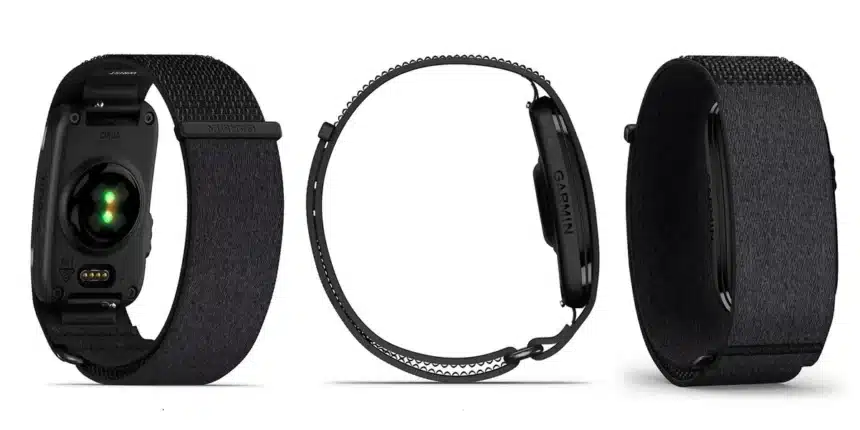
The wearable technology market is evolving, with new devices like the Garmin CIRQA Smart Band entering the scene, prompting questions about Apple’s potential expansion beyond the Apple Watch. While the Apple Watch remains a dominant force in smart wearables, its daily charging requirement and constant notification stream aren’t ideal for everyone. This has fueled a growing interest in simpler, screen-free fitness trackers, a segment that Apple could potentially address with new product offerings.
The Case for Screen-Free Wearables
For many users, the Apple Watch’s comprehensive features, including music playback and phone integration, make it an indispensable tool. However, the very nature of a smartwatch—its screen and constant connectivity—can be a drawback for those seeking a less intrusive health and fitness monitoring experience. The need for frequent charging and the barrage of notifications can detract from a user’s focus and peace of mind.
This has created a distinct market for devices that prioritize background health and fitness tracking with minimal user interaction. These wearables aim to provide valuable insights without demanding constant attention or requiring daily power-ups. The appeal lies in their ability to blend seamlessly into a user’s life, offering data passively and efficiently.
The Rise of Smart Rings and Fitness Bands
Smart rings have emerged as a particularly popular form factor for unobtrusive health tracking. These compact devices offer a discreet way to monitor vital metrics, often with battery life extending for several days. The latest iterations are designed to be even sleeker and lighter, enhancing comfort and wearability.
Beyond rings, fitness bands also represent a significant segment of the screen-free wearable market. Devices from brands like Fitbit and Whoop have gained traction by offering dedicated fitness and wellness tracking without the complexity of a smartwatch. These bands typically boast longer battery life, sometimes lasting up to 10 days, and focus on delivering essential health data through companion apps.
Garmin Enters the Screen-Free Arena
Garmin’s recent launch of the CIRQA Smart Band underscores the growing demand for these simpler wearables. The CIRQA is Garmin’s first screen-free smart band, designed to track advanced fitness and wellness features without a subscription fee. Its key selling points include an inconspicuous design, a comfortable fabric band, and the flexibility to be worn on the wrist or upper arm.
The device promises up to 10 days of battery life, enabling continuous health and fitness monitoring. All collected data is accessible through the Garmin Connect app, providing users with insights to improve their lifestyle. Garmin emphasizes that the CIRQA is built to help users achieve health goals without becoming a distraction.
Could Apple Follow Suit?
The success of smart rings and fitness bands, coupled with Garmin’s latest offering, raises the question of whether Apple should diversify its wearable lineup. While the Apple Watch caters to a broad audience, a significant segment of consumers might prefer a dedicated, screen-free device for health tracking.
Potential avenues for Apple include developing an ‘Apple Ring’ or an ‘Apple Band.’ An Apple Ring could leverage the company’s design prowess and ecosystem integration to offer a premium smart ring experience, focusing on core health metrics like sleep, heart rate, and activity levels. Alternatively, an ‘Apple Band’ could serve as a more affordable and accessible entry point into Apple’s health tracking ecosystem, similar to existing fitness bands but with Apple’s characteristic attention to detail and user experience.
Strategic Considerations for Apple
Expanding into the screen-free wearable market could allow Apple to capture users who find the Apple Watch too complex or demanding. It could also serve as a complementary product, offering a different way to engage with Apple’s health platform. For instance, a user might wear an Apple Ring for sleep tracking and general activity monitoring while reserving their Apple Watch for workouts or when they need more advanced features.
The decision would involve weighing the potential market share gains against the development costs and the impact on the existing Apple Watch strategy. However, with competitors like Garmin, Oura, Fitbit, and Whoop actively innovating in this space, the opportunity for Apple to solidify its position in the broader wearable health market is evident.
Conclusion: A Market Ripe for Innovation
The launch of the Garmin CIRQA Smart Band highlights a