The 2026 Commonwealth Games are set to commence in Glasgow, Scotland, following a significant shift in hosting arrangements. Originally slated for Victoria, Australia, the event was withdrawn by the state in July 2023 due to escalating costs, sparking concerns about the future viability of the Commonwealth Games. After extensive deliberations with potential host cities, Glasgow was officially confirmed as the replacement host in September 2024.
Understanding the Commonwealth Games
The Commonwealth Games, a quadrennial international multi-sport event, shares similarities with the Olympic Games but is exclusively open to athletes from nations within the Commonwealth of Nations. This organization comprises predominantly English-speaking countries with historical ties to the British Empire. The inaugural event, known as the British Empire Games, took place in 1930, with the title evolving to Commonwealth Games in 1978. This year marks the 23rd iteration of the Games.
Historically, larger Commonwealth nations like Australia, Canada, England, and New Zealand have frequently hosted the event. The Commonwealth nations collectively represent a vast population of nearly 2.5 billion people, constituting almost a third of the global population. Despite this scale, the Commonwealth Games have traditionally featured fewer sports and athletes compared to the Olympics.
A Streamlined Glasgow 2026 Program
The 2026 Commonwealth Games in Glasgow will present a notably scaled-down program compared to previous editions. The Birmingham 2022 Games featured 20 sports and over 5,000 athletes. In contrast, Glasgow 2026 will host approximately 3,000 athletes competing across ten sports. However, a significant development for this year’s event is the inclusion of the largest integrated para sport program in Commonwealth Games history, with six of the ten sports offering para equivalents.
The participation of Gabon and Togo will bring the total number of competing nations to a record 74. To manage costs effectively, the ten sports will be concentrated across just four venues situated within a 12-kilometer radius in central Glasgow. Athletes and support staff will be accommodated in hotels rather than a dedicated athletes’ village. Similarly, the opening and closing ceremonies are planned to be more modest in scale.
The reduction in the number of sports, particularly team sports, has considerably decreased the athlete count and associated logistical expenses such as transportation and accommodation. While some sports like aquatics, cycling, and gymnastics remain, they will feature fewer disciplines. For instance, cycling will not include road or mountain biking events. Governing bodies for sports like rugby, squash, and hockey have expressed disappointment, noting that suitable venues already exist in Glasgow. It has been stated that athletics and swimming will be the only compulsory sports for future Commonwealth Games, leaving the door open for the reintroduction of omitted sports in subsequent events.
Australian Athletes to Watch
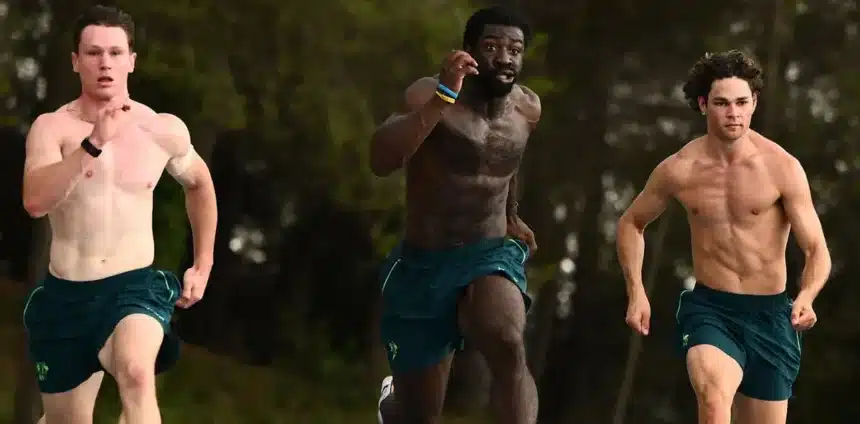
Australia, a perennial powerhouse in the Commonwealth Games, is expected to field strong contenders across the 2026 program. Following their success at the Birmingham 2022 Games, where they topped the medal table with 67 gold medals, Australians are anticipated to be among the leading teams. Direct comparisons to past performances are challenging due to the reduced number of sports and medal events in Glasgow.
Swimming: This discipline remains a significant source of potential gold medals for Australia. The national team, the Dolphins, boasts prominent swimmers such as Mollie O’Callaghan, Cam McEvoy, and Kyle Chalmers. Para swimmers like Tim Hodge and Lakeisha Patterson are also strong medal prospects. Australia secured 25 swimming golds in Birmingham and possesses the depth to maintain its dominance.
Athletics: The track and field events present numerous opportunities for Australian success. Nina Kennedy, the Olympic pole vault champion, will defend her Commonwealth title, as will Kurtis Marshall in the men’s pole vault. Olympic silver medallist Jess Hull is set to compete in the mile and 5,000 meters, while Olympic bronze medallist and defending discus champion Matt Denny is another key medal hopeful. Other notable Australian athletes in athletics include:
- Cameron Myers (1 mile)
- Eleanor Patterson (high jump)
- Jemima Montag (10,000m walk)
Netball: The Australian netball team, the Diamonds, ranked number one globally, will aim to defend their title. However, they face stiff competition from New Zealand, England, and Jamaica, making the gold medal far from guaranteed.
The Future of the Commonwealth Games
The Commonwealth Games are navigating a period of uncertainty regarding their long-term future, evidenced by Victoria’s withdrawal and Glasgow’s compact hosting model. Commonwealth Sport, the event’s governing body, has initiated a “Games Reset” strategy aimed at enhancing the flexibility and relevance of future events. The hope is that a more streamlined and cost-effective model will encourage more cities to bid for hosting rights.
Public interest in Australia remains considerable. The Birmingham 2022 Games reached over 11 million Australians via broadcast television and an additional 2.15 million viewers on streaming platforms. While this figure is substantial, it falls short of the audience numbers for the recent Olympic Games in Tokyo and Paris. Organizers for the Glasgow 2026 Games have reported strong ticket demand, with key venues like the swimming pool and velodrome selling out months in advance.
Ultimately, the sustained success and future viability of the Commonwealth Games will hinge on several factors: the ability to secure affordable hosting arrangements, the cultivation of compelling narratives, the commitment to inclusivity, and the delivery of lasting benefits to host communities beyond the conclusion of the sporting events.