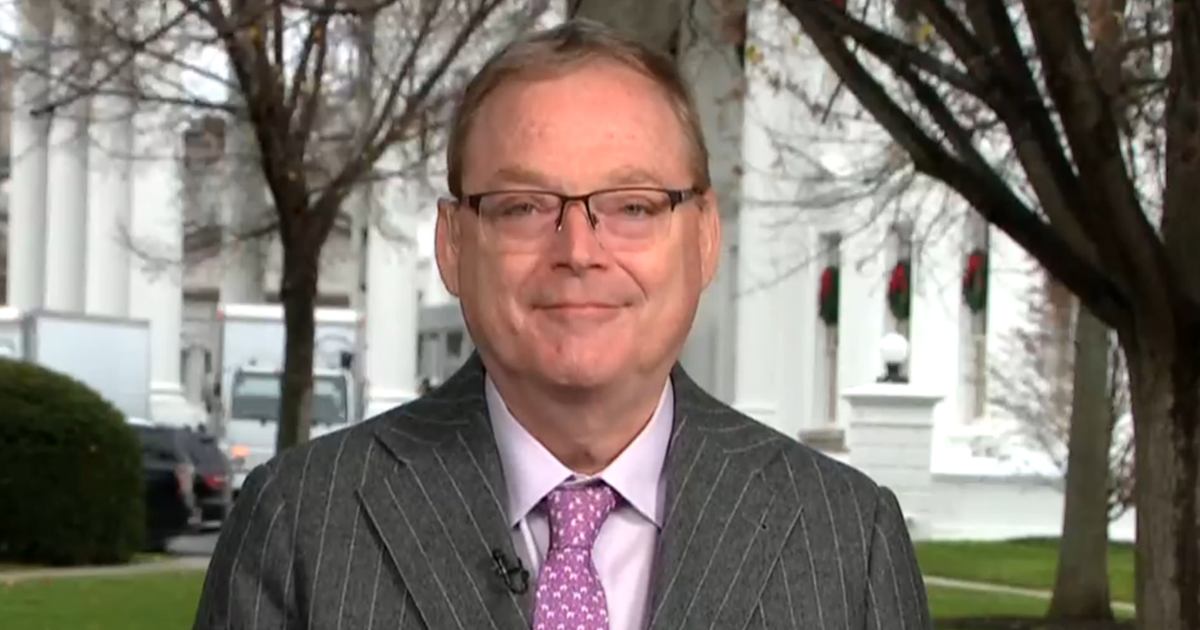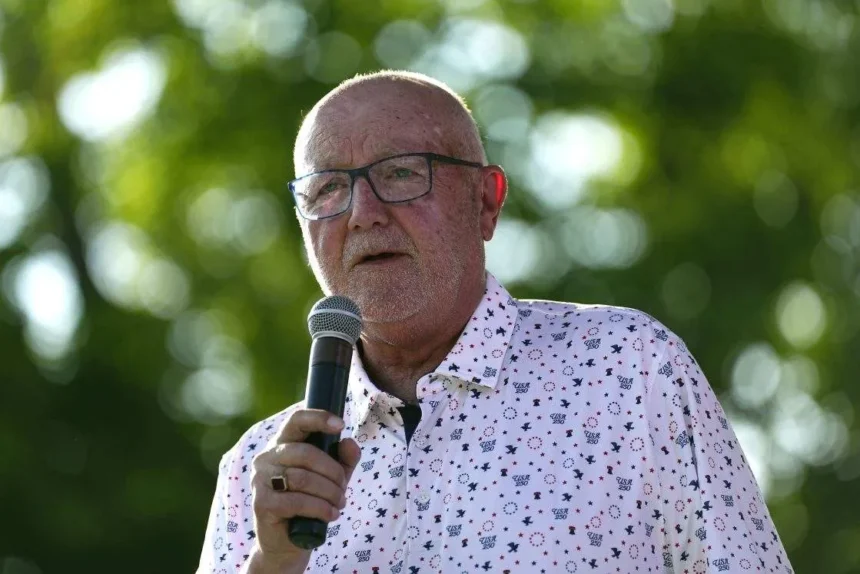
A petition urging the Canadian government to declare U.S. Ambassador Pete Hoekstra persona non grata and request his removal has garnered significant attention, with nearly 30,000 signatures. The online initiative, slated for presentation in the House of Commons this fall, argues that Hoekstra has made statements and engaged in actions that contravene diplomatic norms and harm the bilateral relationship between Canada and the United States.
Core Allegations Against the U.S. Ambassador
The petition specifically accuses Ambassador Hoekstra of “making repeated interventions in Canadian political discourse inconsistent with diplomatic protocol.” Proponents of the petition contend that such actions undermine the established diplomatic relationship and interfere with Canada’s internal political affairs. Furthermore, the petition calls on the Canadian government to task a parliamentary committee with investigating instances of U.S. diplomatic interference in Canadian matters.
Launched by a resident of Calgary, the petition’s presentation in Parliament is being facilitated by Green Party Leader Elizabeth May. It is important to note that Members of Parliament can submit petitions to the House of Commons without necessarily endorsing the views expressed within them.
Specific Concerns Raised
- Normalization of Annexation Rhetoric: The petition asserts that Ambassador Hoekstra has contributed to normalizing rhetoric suggesting the potential annexation of Canada by the United States. It references a public statement where Hoekstra described a discussion between Prime Minister Mark Carney and President Trump regarding Canada’s annexation as a “great discussion.”
- Criticism of Canadian Political Tone: In a speech delivered in Halifax, Hoekstra expressed disappointment and frustration with what he perceived as an “anti-American” sentiment during a recent federal election campaign. He warned that Canadian political leaders characterizing the Trump administration’s imposition of tariffs as a “trade war” was dangerous.
- Discouraging Travel and Product Removal: The ambassador has also been critical of Canadian politicians for discouraging travel to the U.S. and for removing American liquor brands from store shelves.
When questioned by Canadian media about his remarks, Ambassador Hoekstra stated that his role involves “present[ing] the president’s views.” Representatives from the U.S. embassy in Ottawa acknowledged awareness of the petition but declined to offer specific comments.
Understanding ‘Persona Non Grata’
The designation of “persona non grata” is a formal diplomatic tool outlined in the United Nations’ Vienna Convention on Diplomatic Relations. It empowers a host country’s government to revoke an individual diplomat’s immunity and demand their departure from the territory. This measure is typically reserved for serious breaches of diplomatic conduct or perceived threats to national interests.
Precedents for Diplomat Expulsion in Canada
Canada has utilized the persona non grata status to expel foreign diplomats in the past, often in response to allegations of foreign interference. Notable recent instances include:
- China (2023): Diplomat Zhao Wei was declared persona non grata following an intelligence report alleging he had targeted Conservative Member of Parliament Michael Chong by gathering information on his family in Hong Kong.
- India (2023): Canada expelled six diplomats and consular officials from India. This action followed public allegations by the Royal Canadian Mounted Police (RCMP) that agents of the Indian government were involved in a campaign targeting Canadian citizens. The RCMP linked this alleged campaign to the June 2023 murder of Sikh activist Hardeep Singh Nijjar in Surrey, British Columbia.
In July of the current year, an indictment unsealed by U.S. authorities alleged that notorious Indian gangster Lawrence Bishnoi had ordered the assassination of Hardeep Singh Nijjar. These expulsions occurred during a period when the federal government, under Prime Minister Mark Carney’s leadership, was actively working to improve diplomatic relations with both China and India.
The Role of Diplomatic Discourse
The petition highlights a broader concern regarding the conduct of foreign diplomats within Canada and the potential impact on the nation’s sovereignty and political discourse. While diplomats are expected to represent their home countries’ interests, their actions are generally governed by established international protocols designed to maintain respectful and non-intrusive relations between nations. The debate surrounding Ambassador Hoekstra’s tenure and the petition’s demands underscores the delicate balance between diplomatic engagement and the protection of national political integrity.