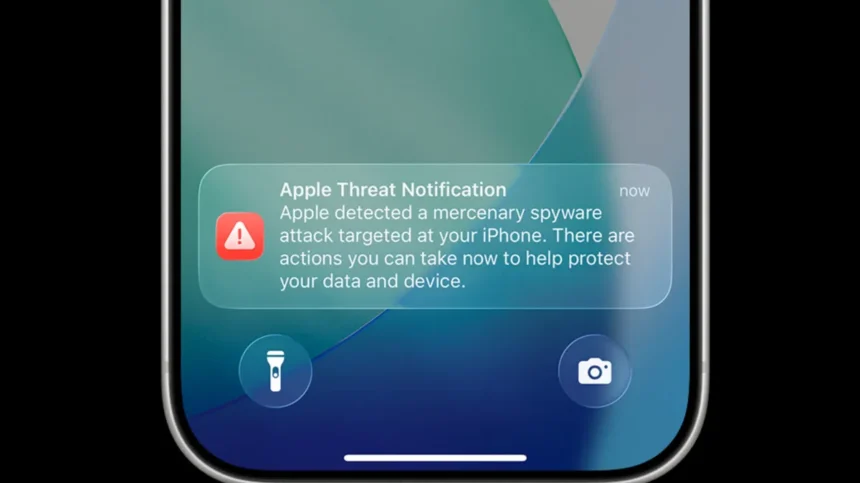
Apple has begun issuing new threat notifications to users who it believes have been targeted by mercenary spyware. These alerts are designed to inform individuals that their devices may have been subjected to sophisticated surveillance attempts, often employed by state actors against specific individuals. The company has also launched a dedicated support page to provide guidance on what mercenary spyware is and how affected users can protect their data.
Understanding Mercenary Spyware Threats
Mercenary spyware refers to advanced surveillance tools developed and sold by private companies, primarily to governments and state-affiliated entities. These tools are not typically used for mass surveillance but are instead deployed in highly targeted attacks against specific individuals. Those most frequently targeted include journalists, human rights activists, politicians, diplomats, and other prominent figures whose communications and activities may be of interest to intelligence agencies or other powerful organizations.
The nature of these attacks means they are exceptionally costly, often running into millions of dollars, and require significant resources to execute. Consequently, the vast majority of smartphone users are unlikely to ever be targeted by such sophisticated operations. However, the advanced nature of mercenary spyware also makes it particularly difficult to detect and prevent, even for major technology companies.
Apple’s Notification System and Support
Apple periodically reviews its systems for signs of mercenary spyware activity. When its investigations detect a high degree of confidence that an individual user has been specifically targeted, the company issues a threat notification. These alerts are intended to be taken very seriously, although Apple acknowledges that its investigations cannot achieve absolute certainty in every case.
The company has recently updated its user experience for these warnings, making the notifications clearer and providing easier access to crucial information. The alert itself informs the recipient that there are immediate steps they can take to enhance the security of their device and data. To further assist users, Apple has published a new support page that elaborates on the nature of mercenary spyware and outlines recommended actions for those who have received a threat notification.
While receiving a notification does not definitively mean that a user’s data has already been compromised, it signifies that Apple has identified activity on their device consistent with a mercenary spyware attack. The company has chosen not to disclose the specific methods used to detect these attacks. This decision is strategic, aimed at preventing malicious actors from learning how to evade detection in the future.
Recommended Protective Measures
For users who receive a mercenary spyware threat notification, Apple strongly advises implementing several protective measures. The most prominent recommendation is to enable Lockdown Mode on their device. This feature offers an extreme level of protection by significantly restricting various device functionalities.
What Lockdown Mode Does:
- Blocks Message Attachments: Prevents the opening of links and attachments received through messaging applications.
- Restricts FaceTime Calls: Limits incoming FaceTime calls and invitations to Apple services.
- Limits Shared Albums: Disables access to shared photo albums.
- Disables Web Browsing: In some configurations, it may also restrict web browsing capabilities.
Beyond enabling Lockdown Mode, Apple also recommends seeking assistance from security experts. The company specifically points to resources like the Digital Security Helpline, operated by the non-profit organization Access Now, which offers rapid-response emergency assistance for individuals facing such threats.
The Broader Context of Digital Surveillance
The issuance of these warnings by Apple highlights the ongoing challenges in combating sophisticated digital surveillance. Mercenary spyware, often developed with advanced capabilities, poses a significant threat to privacy and security, particularly for individuals engaged in sensitive work such as journalism or activism. The high cost and targeted nature of these attacks underscore the significant resources that can be marshaled for digital espionage.
By providing timely notifications and clear guidance, Apple aims to empower its users to take proactive steps against these threats. The company’s commitment to user security is evident in its continuous efforts to detect and alert users to potential compromises, even as the landscape of digital threats continues to evolve.
Conclusion
Apple’s proactive stance in warning users about mercenary spyware attacks is a critical step in safeguarding digital privacy. The updated support resources and the emphasis on Lockdown Mode provide users with actionable strategies to defend against these advanced threats. For individuals who receive such notifications, prompt action and consultation with security professionals are strongly advised to ensure the continued protection of their sensitive information and devices.