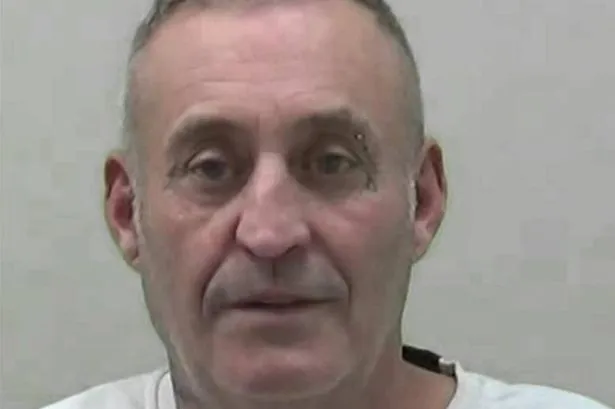
A man has been sentenced to 10 months in prison for racially aggravated harassment and performing a Nazi salute during a flight from Turkey to Newcastle. David Kelly, 56, engaged in abusive behaviour, including racist slurs and homophobic remarks, while intoxicated on a Jet2 aircraft on December 19 last year.
In-Flight Disturbance Leads to Prison Sentence
The court heard that Kelly’s conduct escalated significantly as he consumed alcohol during the flight. Initially, he was described as loud and jovial, but his behaviour deteriorated into anger and ranting as he became visibly more intoxicated. Prosecutor Saba Shan detailed how Kelly subjected airline staff and fellow passengers to harassment. Among his offensive actions, Kelly shouted “Hitler knew” and made a Nazi salute. He also targeted a Turkish passenger, accusing him of being a terrorist, and made other racist and homophobic comments.
The distress caused by Kelly’s actions was significant, with a young family seated behind him being moved to a different row due to their alarm. Cabin crew attempted to manage the situation by offering alternative seating to disturbed passengers and alerted the police to apprehend Kelly upon arrival at Newcastle Airport. Despite efforts to calm him, Kelly remained standing during the plane’s descent and initially refused to sit down or fasten his seatbelt, raising concerns about flight safety.
Kelly’s Criminal History and Court Proceedings
David Kelly, residing in Newton Hall, County Durham, pleaded guilty to being intoxicated on an aircraft and committing a racially aggravated public order offence. His criminal record includes four previous convictions for offences such as arson and drug-related crimes. During the sentencing at Newcastle Crown Court, Recorder David Gordon emphasized the seriousness of such behaviour on aircraft.
Recorder Gordon stated, “Those who become drunk and disorderly on board an aircraft must ordinarily expect an immediate custodial sentence because of the fear and distress caused to passengers and crew and because of the potential implications with regard to safety.” He further elaborated on the impact of Kelly’s conduct, noting, “The offences occurred in the uniquely confined environment of an aircraft in flight. Passengers and crew could not remove themselves from it. Families and other passengers were alarmed and distressed.” The judge highlighted that cabin crew had to divert their attention from essential duties to manage Kelly’s behaviour, which created genuine fear and safety concerns, particularly during landing.
Defence Arguments and Character References
Brian Hegarty, representing Kelly, conveyed his client’s remorse. He explained that the incident stemmed from a political disagreement Kelly had with another passenger. Hegarty stressed that Kelly did not resort to physical violence or require restraint, describing his behaviour as “reprehensible and unpleasant but was restricted to words alone.”
The court also received character references for Kelly, which reportedly included testimonials from a magistrate and a former Metropolitan Police officer. These references portrayed Kelly as a diligent, helpful, and community-oriented individual. Despite these character assessments, the severity of his actions on the flight led to the custodial sentence.
Impact of In-Flight Misconduct
The incident underscores the significant disruption and fear that disruptive passengers can cause in the confined space of an aircraft. The legal repercussions, including imprisonment, reflect the aviation industry’s zero-tolerance policy towards behaviour that endangers safety and causes distress to others. The court’s decision highlights the importance of maintaining order and respect for fellow passengers and crew during air travel.
Kelly’s conviction for racially aggravated public order offences and being intoxicated on an aircraft resulted in a 10-month prison term. This sentence serves as a deterrent to others who might consider engaging in similar behaviour, emphasizing the potential consequences for those who disrupt flights and cause alarm.