A London theatre’s decision to issue detailed ‘content guidance’ for its current production, including specific warnings about the presence of various food items on stage, has ignited a discussion about the evolving nature of audience advisories. The Old Vic in South London is presenting Alan Ayckbourn’s 1969 play, ‘How the Other Half Loves,’ which features a range of foodstuffs as part of its set design and narrative. The theatre’s website explicitly states that the production ‘involves real food,’ going so far as to list ingredients for a specific soup used, such as ‘peas (38%), carrots (3%), celery (3%).’ Other items mentioned in the guidance include toast, meatballs, avocado, and eggs.
Evolving Audience Advisories in Theatre
This level of detail regarding food on stage stands in contrast to the more common ‘trigger warnings’ that theatregoers have become accustomed to. Typically, these warnings alert audiences to potentially sensitive or distressing content such as strong language, depictions of violence, sexual assault, mental illness, or suicide. The inclusion of mundane items like toast and soup in an advisory list has led some to question the necessity and scope of such guidance.
The Old Vic’s approach, which they term ‘content guidance’ rather than ‘trigger warnings,’ aims to provide comprehensive information to patrons. While standard allergy warnings are a well-established practice in theatres, particularly concerning allergens like peanuts, eggs, and celery—which are legally required to be identified by food businesses in the UK—the explicit mention of everyday food items as a point of audience information is a more recent development.
Precedents for Food-Related Advisories
While ‘How the Other Half Loves’ might seem unique in its specific food advisories, other productions have also provided cautious guidance related to culinary elements. For instance, in February 2023, The Young Vic alerted audiences to the ‘handling of a cooked egg’ during their production of ‘Further Than The Furthest Thing.’ These instances suggest a growing trend towards informing audiences about a wider array of potential sensory or thematic elements within a performance.
The inclusion of food on stage is not new in theatre. Productions often use food for realism, comedic effect, or to advance the plot. However, the explicit detailing of these items in pre-show information is what sets recent examples apart. This practice could be seen as an extension of the broader movement towards transparency in performance content, ensuring that audiences can make informed decisions about what they wish to experience.
Reactions and the Purpose of Content Guidance
The specific advisories for ‘How the Other Half Loves’ have drawn a mixed reaction. Some observers have found the warnings about food items to be excessive or even humorous, questioning who might be genuinely affected by the presence of toast or soup. This sentiment echoes criticisms from figures like Sir Ian McKellen, who has previously described some trigger warnings as ‘ludicrous.’ Similarly, Dame Judi Dench has voiced concerns that extensive pre-show information might diminish the element of surprise and the intended impact of certain theatrical moments.
Conversely, the theatre’s intention behind such detailed guidance is to cater to a diverse audience with varying sensitivities and needs. The Food Standards Agency in the UK mandates that businesses identify 14 major allergens to customers, a regulation that extends to theatrical productions using food. By listing ingredients and specific items, The Old Vic is ensuring compliance and offering a high degree of transparency, particularly for audience members with severe allergies or dietary restrictions. Furthermore, the theatre may be considering a broader definition of ‘content’ that includes sensory experiences beyond the purely thematic or narrative.
The Broader Context of Trigger Warnings
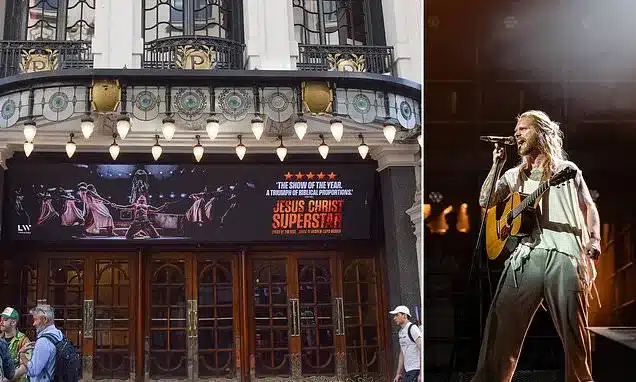
The debate surrounding the toast and soup advisories is part of a larger conversation about the role and efficacy of trigger warnings and content guidance in the arts. While intended to be helpful and considerate, these warnings can sometimes be perceived as overly cautious or even patronizing. The example of The London Palladium being criticized for warning audiences about a crucifixion during a production of ‘Jesus Christ Superstar’ highlights the potential for such advisories to become a subject of ridicule when they appear to state the obvious.
The Old Vic’s categorization of these alerts as ‘content guidance’ may be an attempt to differentiate their approach from more controversial ‘trigger warnings.’ It suggests a desire to provide information proactively without necessarily implying that the content is inherently traumatic or offensive. The goal is likely to empower audience members with knowledge, allowing them to prepare themselves or make informed choices about their attendance, whether due to allergies, personal sensitivities, or simply a preference for certain types of theatrical experiences.
Conclusion: Balancing Information and Artistic Intent
The production of ‘How the Other Half Loves’ at The Old Vic, with its detailed advisories about food items on stage, serves as a contemporary case study in the evolving landscape of audience communication in live performance. While the specific inclusion of toast and soup in content guidance has raised eyebrows, it reflects a broader theatrical trend towards greater transparency. The challenge for theatres lies in finding a balance: providing necessary information to ensure accessibility and safety for all audience members, while also preserving the integrity and intended impact of the artistic work. As the arts continue to grapple with inclusivity and audience expectations, the nature and scope of content advisories will likely remain a topic of ongoing discussion and adaptation.