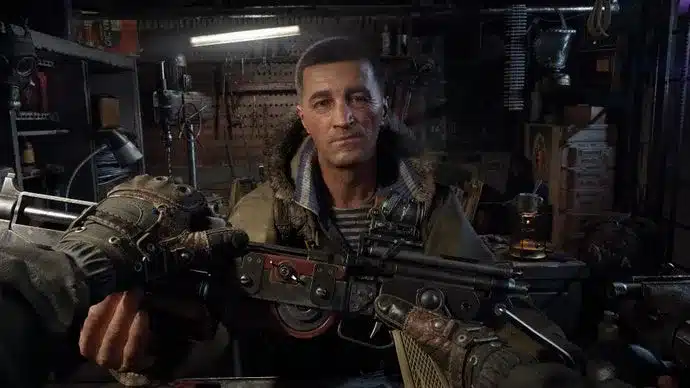
The highly anticipated Metro 2039 marks a deliberate return to the series’ claustrophobic roots, blending the atmospheric tunnel survival of its predecessors with select innovations from Metro Exodus. Developed by Ukrainian studio 4A Games, this installment sees players step into the boots of a new protagonist, known only as the Stranger, leaving behind familiar characters like Artyom. Early impressions suggest a game that expertly recaptures the oppressive dread of the underground while retaining some of the more open-ended exploration introduced in its predecessor.
A Deep Dive into Atmospheric Survival
The demo showcases Sevastopolskaya, an underground settlement meticulously crafted to evoke the series’ signature gloom and grit. This station-life feels as richly detailed and suffocatingly atmospheric as any previously encountered in the Metro universe. Venturing to the surface reveals a desolate, ravaged landscape, equally thick with palpable dread. The familiar sounds of the underground – the strumming of acoustic guitars and the skittering of rats – give way to the mournful howl of dusty winds and the ever-present, chilling tick of the Geiger counter, signaling a perilous return to the irradiated world above.
While the core gameplay loop seems to echo past titles, there are promising signs of refinement. The gunplay feels tighter and more impactful than in Metro Exodus, bolstered by impressive audio design that makes each shot resonate. A standout addition is a powerful compressed air rifle, adept at delivering silent headshots and dispatching mutated creatures with a single, precise blow. However, much of the close-quarters combat in the demo mirrors the corridor encounters of Metro: Last Light, functional but lacking a certain freshness.
Innovations in Stealth and Psychological Horror
One notable departure from the established formula is a hallucinatory horror sequence that eschews combat for intricate puzzling. This segment hints at a greater emphasis on psychological elements in Metro 2039, suggesting the Stranger grapples with a more troubled psyche and a darker past than previous protagonists. While this particular attempt at psychological terror, set in an abandoned school with classic ghost tropes, may not fully land for all players, it signals a willingness to experiment with narrative and gameplay mechanics.
Fortunately, more effective scares and engaging challenges are available for those willing to explore off the beaten path. Echoes of Metro Exodus‘s more open level design persist, allowing for optional exploration beyond the strictly linear narrative. The surface excursion in the demo, for instance, presented a sprawling, ruined section of Moscow that served as a mini-hub. This area offered numerous opportunities for foraging and discovery before proceeding with the main story objectives. It was within these optional areas that some of the demo’s most tense and rewarding gameplay could be found.
Voluntary Dangers and Rewarding Exploration
The aforementioned haunted school, it turned out, was an entirely optional detour. Similarly, another hollowed-out building housed ‘Humanimals’ – mutated beings resembling Nosferatu, characterized by their light sensitivity and tendency to sleep while standing. These encounters provided some of the demo’s most nail-biting stealth sequences, requiring players to carefully navigate environments while avoiding detection. The incentive for venturing into these dangerous, optional areas lies in the game’s robust crafting system, a carryover from Metro Exodus.
The system rewards players with essential crafting materials, transforming seemingly mundane scrap into valuable resources. Resource management appears to be a core tenet of Metro 2039, with players frequently finding themselves low on critical supplies like gas mask filters. This scarcity forces difficult decisions, such as choosing between replenishing dwindling ammunition or investing in more filters to extend exploration time. While not a novel concept, the system effectively heightens tension and makes every scavenged item feel significant.
A Renewed Sense of Political Fury
Beyond its familiar yet refined gameplay mechanics, Metro 2039 appears poised to distinguish itself with a potent undercurrent of political commentary. Drawing inspiration from the allegorical nature of the original Metro novels and the contemporary geopolitical climate surrounding the developers’ home country, the game seems set to deliver a powerful message. The demo offered glimpses of the game’s primary antagonist, a figure embodying divisive rhetoric. This narrative direction suggests that Metro 2039 could be a significant title, potentially becoming one of the first AAA shooters to directly address and critique a real-world conflict rather than glorifying war.
While the game may tread familiar ground in its mechanics, 4A Games’ mastery of creating oppressive, derelict environments remains unparalleled. The combination of returning strengths and new thematic depth suggests that Metro 2039 offers compelling reasons to brave its treacherous world, both for long-time fans and newcomers seeking a narrative-rich, atmospheric shooter with a timely message.