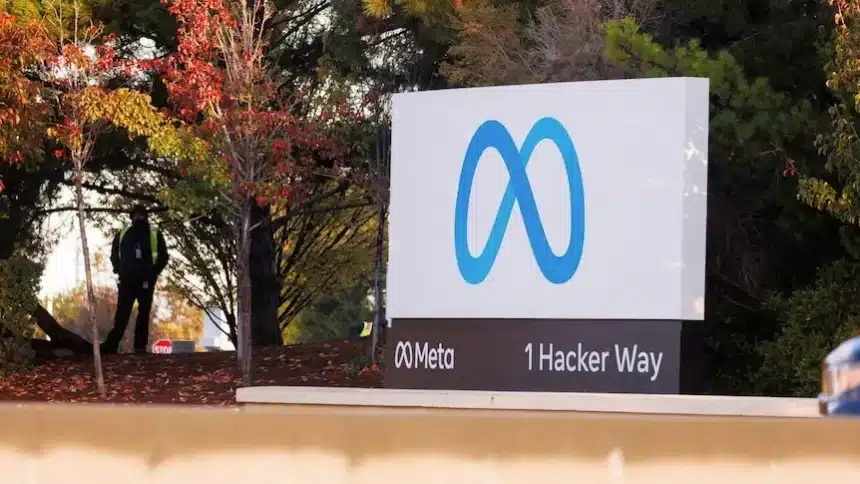
Meta Platforms Inc. has reached a significant settlement, agreeing to pay $17 billion (approximately AUD $23.6 billion) and implement enhanced child safety measures across its Facebook and Instagram platforms. This agreement aims to resolve a landmark trial concerning allegations of teen social media addiction and harm, as announced by state attorneys general representing 47 states. The settlement effectively halts a trial that was poised to feature testimony from Meta CEO Mark Zuckerberg.
Landmark Settlement and Allegations
The multi-billion dollar settlement is considered one of the largest in the history of state consumer protection cases. Virginia alone is set to receive $353 million as part of the agreement. Attorneys General have stated that Meta intentionally concealed the addictive nature of its platform designs, which they claim have negatively impacted youth mental health. “For years, Meta intentionally deceived the public about the addictive and harmful design features that have wreaked havoc on youth mental health,” stated Attorney General Jay Jones. He added that the settlement “will put an end to these dangerous practices and deliver meaningful relief that will protect children from online harm.”
The lawsuits accused Meta of exacerbating the youth mental health crisis by deliberately engineering features designed to foster addiction among young users, while allegedly downplaying these risks to the public. Furthermore, the company faced accusations of violating federal laws by routinely collecting data from children under the age of 13 without obtaining parental consent.
Trial Proceedings and Key Testimony
The trial commenced in Oakland, California, under the supervision of U.S. District Judge Yvonne Gonzalez Rogers. During the proceedings, Adam Mosseri, the head of Instagram, testified, defending Meta’s efforts and advancements in child safety and privacy. The agreement resolves claims from 47 states, including California, Colorado, Kentucky, and New Jersey, which were among the 29 states that initiated legal action against the tech giant in 2023. Cases in other states were also anticipated to proceed to trial.
New Safety Measures Mandated by Settlement
Under the terms of the proposed settlement, Meta has committed to introducing a suite of new safety features. These include:
- Daily Time Limits: Implementation of a “hard cap” on the amount of time children can spend on Instagram and Facebook daily.
- Notification Pauses: Scheduled pauses for notifications during weekday school hours to encourage focus away from the platforms.
- Age Assurance: Deployment of “robust” measures to verify user age and ensure compliance with age restrictions.
- Content Moderation: Introduction of “age-appropriate” content controls designed to combat bullying and mitigate exposure to harmful material related to eating disorders and self-harm.
- Parental Controls: Strengthening and improving the user-friendliness of parental control features.
- Reduced Social Comparison: Limits on features that promote social comparison, such as “like” counts, to reduce pressure on young users.
Background of the Lawsuits
The federal lawsuit was the culmination of an investigation spearheaded by a bipartisan coalition of attorneys general from states including California, Florida, Kentucky, Massachusetts, Nebraska, New Jersey, Tennessee, and Vermont. This investigation was prompted, in part, by investigative reports, notably from The Wall Street Journal in 2021. These reports highlighted internal company knowledge regarding the detrimental effects of Instagram on teenagers, particularly teen girls, concerning mental health and body image.
Despite Meta implementing various safety features for Instagram in recent years, such as separate accounts for teenagers with enhanced privacy and messaging protections, child safety advocates and some former employees have expressed skepticism. They argue that these measures may not fundamentally address the core issues.
Profit vs. Safety Concerns
Arturo Bejar, a former Meta engineering director, testified during the trial, asserting that the company historically prioritized profits over user safety in its product development. He suggested that the focus was on maximizing user engagement duration, even at the expense of mental well-being. “If you step away from the product, they are not going to make any money,” Bejar stated, implying a direct link between user time on the platform and company revenue.
While the specific financial penalties sought by the four states involved in the Oakland trial were not officially disclosed, Meta had previously indicated in court filings that potential financial penalties could reach as high as $1.4 trillion. However, legal experts considered such a figure highly improbable.
Conclusion
This $17 billion settlement represents a significant legal and financial outcome for Meta, addressing years of allegations regarding the impact of its social media platforms on young users. The mandated implementation of new safety features signals a shift towards prioritizing child protection, although ongoing scrutiny from experts and the public is likely to continue.