All news presenter roles at BBC Scotland are reportedly under threat as the corporation implements a significant cost-saving initiative expected to eliminate 60 positions within the region. This comes as part of a broader UK-wide plan to reduce the BBC’s workforce by 550 roles across its news, television, and radio operations. The aim is to achieve substantial savings of £500 million over the next three years.
Widespread Job Reductions at BBC Scotland
Sources within BBC Scotland suggest that the proposed cuts could lead to six compulsory redundancies within the news division if voluntary redundancy packages do not meet the required financial targets. It is understood that two of these potential compulsory redundancies could affect presenter positions. While the exact roles for the remaining four positions are not specified, speculation points towards management roles being considered. However, past experiences indicate that unions may work to prevent compulsory redundancies, potentially leading to redeployment for affected staff members who wish to remain with the organization.
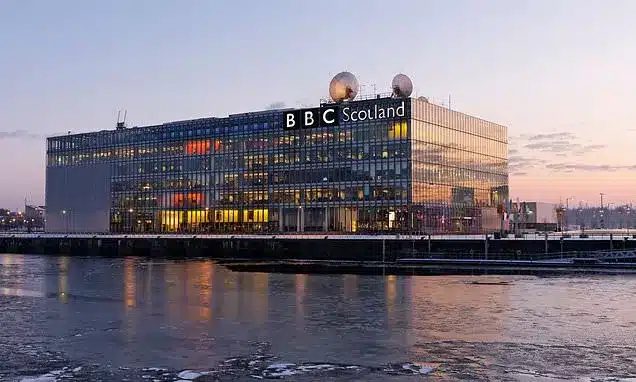
The BBC in Scotland is facing a reduction of over £10 million as part of the larger savings drive. These financial pressures are impacting operations at BBC Scotland’s headquarters located at Pacific Quay in Glasgow. Many employees are opting for voluntary redundancy, though a significant portion of these individuals are reportedly nearing retirement age or had already expressed intentions to leave the corporation.
Potential Impact on High-Profile Personalities
Among the staff members mentioned as potentially vulnerable are former ‘Good Morning Scotland’ presenter Gary Robertson and BBC Radio Scotland presenter Laura Maxwell. Insiders suggest that Gary Robertson, who previously held a prominent role before stepping down last year, might be specifically targeted. Colleagues have expressed concern for Robertson, citing his popularity and respect within the organization, while acknowledging the inherent risks associated with presenting roles in the current climate.
Broader Programming Changes and Financial Context
These potential job cuts coincide with wider programming shifts within the BBC in Scotland. Reports from March indicated that over 75% of non-news programming, encompassing comedy, drama, and entertainment, would consist of repeats in the upcoming year. This marks a notable increase from the previous year’s 56% repeat rate, attributed partly to reduced factual content and the discontinuation of the soap opera ‘River City’.
Furthermore, approximately half of the current affairs programs produced in Scotland are also expected to be re-runs. This development occurs despite an increase in the television licence fee, which took effect from April 1st. The BBC’s annual plan outlines these changes as part of its strategy to manage resources effectively.
New Programming Initiatives Amidst Cuts
In response to evolving schedules, BBC One Scotland is set to introduce an hour-long program on Thursdays. This new slot will be dedicated to covering the First Minister’s Questions from the Scottish Parliament in Holyrood, alongside highlights from proceedings in Westminster. This initiative aims to provide timely and relevant political coverage to audiences in Scotland.
BBC’s Official Statement on Savings and Consultations
A spokesperson for the BBC confirmed the necessity of saving at least £500 million over the next three years. The statement acknowledged that BBC Scotland is undertaking proportionate savings, which will inevitably lead to alterations in some services and affect a number of roles. The corporation emphasized its ongoing commitment to consulting and collaborating with affected employees and recognized unions to minimize the impact of compulsory redundancies.
The ongoing restructuring reflects the BBC’s commitment to financial sustainability while navigating the complex landscape of public broadcasting. The focus remains on delivering essential news and current affairs content while adapting to budgetary constraints and evolving audience needs.