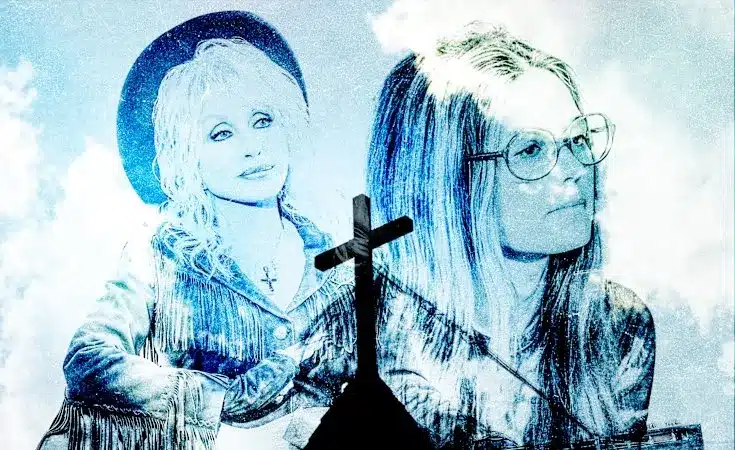
In Adelaide last weekend, approximately 100 Anglican women convened at St. Peter’s Cathedral for a clergy conference. The event, marked by its understated nature with no grand announcements or media attention, focused on workshops and discussions. Attendees, many wearing comfortable shoes, gathered under a clear blue sky for a weekend of shared learning and fellowship. The atmosphere was notably positive, with one session recalling the recent passing of music icon Dolly Parton. Attendees had honored her at a preceding dinner, celebrating her unique ability to connect with diverse audiences and her self-proclaimed mission to uplift and glorify God.
Dolly Parton: An Unconventional Faith Leader
Dolly Parton, known for her distinctive style and music, often spoke about her faith, describing herself as a preacher who created her own platform. Her message, rooted in love, tolerance, and inclusion, resonated widely, uniting people across America and beyond. Despite her significant cultural influence and explicit statements about her faith, many news reports overlooked the spiritual dimension of her work, focusing instead on her glamour. This oversight highlights a broader pattern where conservative elements within religious communities might engage with Parton’s music while seemingly disregarding the inclusive tenets of her personal beliefs. Her approach to faith, emphasizing happiness and upliftment, serves as a poignant example of how spiritual authority can be exercised outside traditional institutional structures.
The Enduring Struggle for Women’s Ordination and Authority
The presence of women in religious leadership roles continues to be a point of contention within many Christian denominations. While progress has been made, some regions, such as Sydney, still do not ordain women as priests. Recent reports, like one concerning the Canberra-Goulburn diocese, indicate that women clergy often face challenges in establishing and maintaining their positions. This struggle for recognition and equal standing within religious institutions is often overlooked by mainstream feminist movements, which may view religious organizations as inherently resistant to change or be wary of religion’s potential to be used for oppression. Gloria Steinem, a prominent feminist figure, famously described religion as “politics in the sky,” reflecting a perspective that acknowledges the power structures inherent in faith-based organizations.
However, for the women gathered in Adelaide, their quiet perseverance in the face of significant opposition underscores a long-standing fight for emancipation and basic equality. Their authority and ministry are frequently questioned, their work sometimes deemed secondary, and they often encounter resistance from those who advocate for traditional gender roles, including a resurgence of calls for women’s submission to men. These experiences highlight the ongoing debate about the fundamental worth of women within certain religious and cultural contexts.
Historical Roots of Women’s Rights and Religious Equality
The fight for women’s equality within religious institutions echoes historical movements for broader civil rights. The Seneca Falls Convention in 1848, considered the first national women’s rights conference in America, produced a Declaration of Sentiments that outlined key demands for equal social, civil, and religious rights. These included the right to vote, legal equality (particularly for married women regarding property and wages), equitable family and divorce rights, and equal access to education and professions. A crucial, and often more challenging, demand was for equal participation in religious institutions and the dismantling of the concept of a “separate sphere” for women.
In the 1890s, Elizabeth Cady Stanton, a leading suffragist, co-edited and published “The Woman’s Bible.” This work, which challenged interpretations of scripture that upheld the subservience of women, caused considerable controversy, even among fellow suffragists who feared it would be a distraction from the primary goal of suffrage. “The Woman’s Bible” argued against the notion that female subordination was divinely ordained, a perspective that remains relevant in contemporary discussions about gender and faith.
Contemporary Challenges and the ‘Manosphere’
Discussions about the challenges women face in religious and public life often intersect with broader societal issues, such as the rise of the “manosphere.” Some political figures have attributed societal problems to a “feminised curriculum,” a viewpoint that overlooks the deep-seated issues of gender inequality. The historical parallel between the fight for suffrage and the ongoing struggle for equality within the church is significant. Contemporary conservative evangelical leaders in the U.S., for instance, have voiced opposition to women voting, echoing arguments made historically against female enfranchisement.
Elizabeth Cady Stanton herself noted the distinction between differing views on the origins of gender inequality, stating that while critics believed degrading ideas about women came from God, she argued they originated from human minds. This perspective underscores the idea that interpretations of religious doctrine can be shaped by societal biases rather than solely divine revelation.
Perseverance and a Call for Reformation
Many individuals in positions of political power have religious backgrounds, yet may not have experienced women in leadership roles during their formative years. This lack of exposure can contribute to a persistent resistance to women’s authority, stemming from a fundamental belief that women do not possess the same kind of authority as men. This belief can permeate various cultural spheres, sometimes associating Christianity more closely with a patriarchal, nationalistic identity than with compassion and inclusivity.
Bishop Sophie Relf-Christopher, an organizer of the Adelaide conference, described the mood as “jubilant,” emphasizing perseverance. She stated that attendees are “unwilling to cede the Holy Church of God to people who do not support the full and equal worth of women when Jesus did.” The group is committed to preventing the church from becoming a space where women are coerced or controlled. Bishop Relf-Christopher extended an invitation for women who have left the church to return and participate in a “new reformation.”
She articulated a powerful theological challenge: “If what you believe about God requires women to remain permanently grateful, un-ordained, quiet, or endlessly available, it is not a theology that is compatible with the message of Jesus Christ. Patriarchy is not synonymous with Jesus’ ideas, but more the Roman Empire that wanted to suppress them.” This perspective aligns with broader calls for a faith that embraces everyone, much like Dolly Parton’s own inclusive approach, which contrasted with what some observers noted as a contemporary trend within some religious circles to reject empathy and neighborly love.
The ongoing efforts of these women represent a quiet but determined pursuit of equality within faith communities, drawing strength from historical struggles and a commitment to a more inclusive vision of religious life.