NASA is set to host a specialized virtual event focusing on the Artemis program, designed with blind and low-vision individuals in mind. The webinar, scheduled for Friday, October 2, at 2 p.m. Eastern Time, aims to make complex space exploration topics accessible to a wider audience. Titled “The RS-25 Engine and the Future of Artemis Missions: An Accessible Webinar for the Blind and Low-Vision Community,” the event promises an in-depth look at the technology powering future lunar missions.
Understanding the RS-25 Engine and Artemis
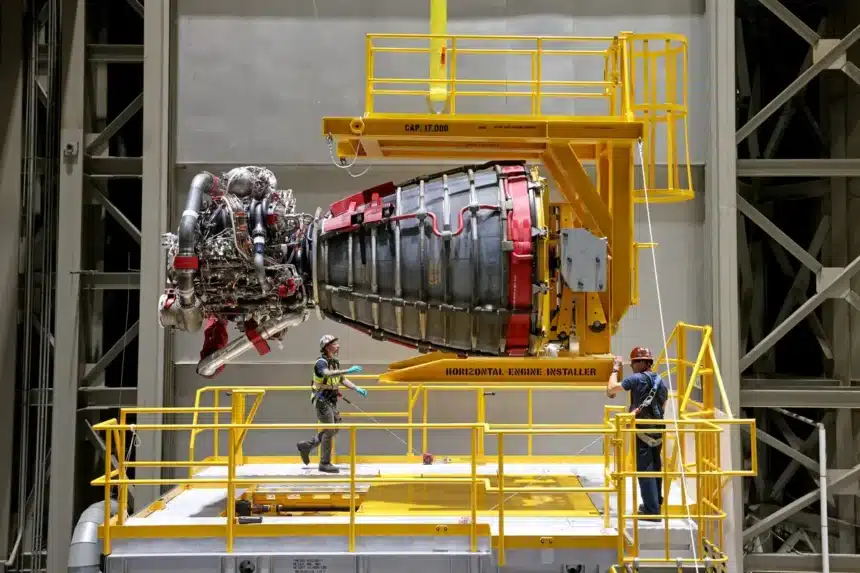
The core of the webinar will delve into the RS-25 engine, a critical component for the Space Launch System (SLS) rocket, which is central to NASA’s ambitious Artemis missions. These missions aim to return humans to the Moon and establish a sustainable presence there, paving the way for future Mars exploration. The RS-25 engine, a powerful rocket engine that has a long heritage from the Space Shuttle program, is being adapted and revitalized for the SLS. Its performance and reliability are paramount to the success of launching astronauts and cargo on deep space missions.
The event is structured to provide comprehensive information over approximately two hours. A key feature will be an audio-described video presentation showcasing a test of the RS-25 engine. This audio description will provide detailed narration of the visual elements, enabling blind and low-vision participants to fully experience the power and complexity of the engine test. This commitment to accessibility ensures that the awe and excitement of space exploration are not limited by sensory differences.
Expert Insights and Accessibility Discussions
Participants will have the unique opportunity to engage directly with NASA experts involved in the Artemis program. A question-and-answer session is planned with an Artemis engineer, allowing attendees to pose questions about the technology, the mission objectives, and the challenges of deep space exploration. This direct interaction is invaluable for fostering understanding and demystifying the intricate work involved in space missions.
Furthermore, the webinar will feature a panel discussion dedicated to the crucial topic of accessibility in space and science. This segment will explore the ongoing efforts and future possibilities for making scientific research, technological development, and space exploration more inclusive for people with disabilities. The panel aims to highlight innovations and best practices that can be adopted across the scientific community.
Featured Participants
The lineup of speakers and panelists brings a wealth of experience and diverse perspectives:
- Dr. Kimberly Arcand: A visualization scientist at NASA’s Chandra X-ray Observatory, Dr. Arcand is known for her work in making complex astronomical data accessible and understandable through innovative visualization techniques.
- Josh Greiner: Serving as the test director at NASA’s Stennis Space Center in Bay St. Louis, Mississippi, Greiner plays a vital role in the testing and certification of rocket engines, including the RS-25.
- Dr. Craig Moore: A materials engineer from NASA’s Marshall Space Flight Center in Huntsville, Alabama, Dr. Moore contributes expertise in the materials science crucial for building robust spacecraft and rocket components.
- Dr. Robert Shelton: As the lead simulation engineer at NASA’s Johnson Space Center in Houston, Dr. Shelton is involved in creating realistic simulations that help train astronauts and test mission scenarios.
- Christine Malec: A freelance writer and consultant, Malec brings an external perspective on accessibility, likely contributing insights from user experience and advocacy within the disability community.
Platform and Accessibility Features
The webinar will be conducted on the Zoom platform, a widely used video conferencing tool. NASA has confirmed that the event will incorporate features specifically to enhance the experience for visually impaired attendees. Beyond the audio-described video, the platform itself will be navigated with accessibility in mind, and speakers will be encouraged to provide verbal descriptions of visual content during their presentations.
While the webinar is open to the public, its design and content are specifically tailored to address the interests and needs of the blind and low-vision community. This thoughtful approach reflects NASA’s growing commitment to inclusivity across all its endeavors. By hosting such specialized events, NASA not only disseminates vital information about its groundbreaking missions but also actively works to break down barriers and foster a more inclusive future in space exploration and scientific discovery.
The Broader Impact of Accessible STEM Outreach
Events like this webinar are crucial for broadening participation in Science, Technology, Engineering, and Mathematics (STEM) fields. When individuals with disabilities see themselves represented and catered to within these high-profile programs, it can inspire the next generation of scientists, engineers, and astronauts. The Artemis program, with its bold goals, serves as an excellent platform for demonstrating how accessibility can be integrated from the ground up, rather than being an afterthought.
The discussion on accessibility in space and science is particularly timely. As technology advances, so do the possibilities for assistive tools and adaptive strategies. The insights shared by Dr. Arcand, with her background in making complex data understandable, and Christine Malec, a consultant on accessibility, are expected to be particularly illuminating. Their contributions, alongside the technical expertise of the engineers and test directors, will provide a holistic view of the challenges and opportunities in creating a truly inclusive space sector.
Looking Ahead: Artemis and Beyond
The RS-25 engine is more than just a piece of hardware; it’s a symbol of NASA’s dedication to pushing the boundaries of human exploration. Its successful integration into the SLS rocket is a testament to engineering prowess and meticulous testing. For the Artemis program, these engines are the workhorses that will lift astronauts off Earth, carrying them towards the Moon and eventually Mars.
By hosting this accessible webinar, NASA is not only sharing technical details but also sending a powerful message. It underscores the belief that the dream of space exploration should be attainable and inspiring for everyone, regardless of their physical abilities. This initiative aligns with a broader trend in STEM outreach, emphasizing the importance of diverse perspectives in driving innovation and discovery. The success of the Artemis missions will undoubtedly be a human achievement, and ensuring that the narrative and participation are as inclusive as possible is a vital part of that success.