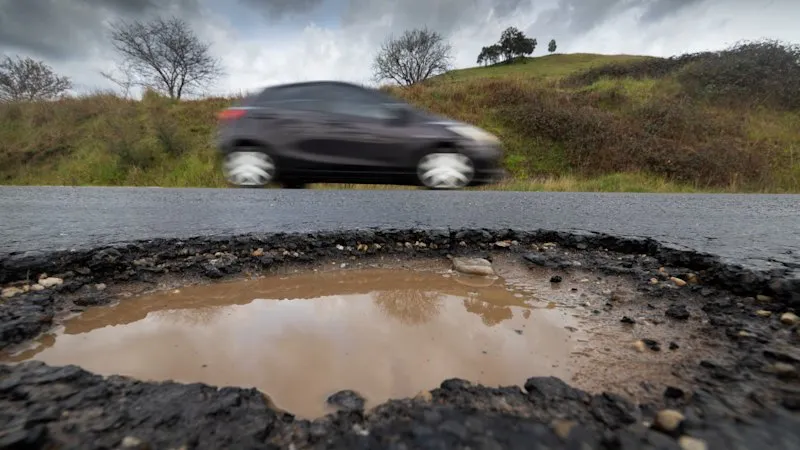
Victoria is grappling with a significant crisis concerning its road infrastructure, characterized by a proliferation of potholes and a generally deteriorating road network. This issue has become a focal point for political debate, with both the ruling Labor party and the opposition Coalition proposing distinct strategies to address the problem. The urgency is palpable, as the state’s roads, particularly in regional areas, are showing signs of severe neglect, impacting residents and potentially contributing to political discontent.
The Scale of the Pothole Problem
The extent of Victoria’s pothole problem is substantial, affecting both major highways and local roads. An attempt to count potholes along the Hume Freeway in Victoria and New South Wales starkly illustrated the disparity in road maintenance between the two regions, highlighting the severity of the issue within Victoria. Local councils, such as the City of Whittlesea, have reported identifying over a thousand defects on state-owned roads within their jurisdiction. These defects include not only potholes but also other maintenance issues like dumped rubbish and damaged guard rails, indicating a broader neglect of road upkeep.
Political Responses and Proposed Solutions
Political parties have put forward contrasting approaches to tackle the road crisis. The Labor government has proposed a multi-faceted strategy that includes utilizing minimum-security prisoners for basic roadside maintenance tasks. The rationale behind this proposal is to free up professional road workers, allowing them to focus on more complex and critical repairs, thereby increasing the overall efficiency of pothole fixing. However, this plan has met with skepticism from the opposition.
Conversely, the Liberal and National parties, collectively forming the Coalition, have pledged a significant investment if elected. Their commitment includes fixing one million of the state’s most damaged potholes and implementing a comprehensive overhaul of the road maintenance program. This approach emphasizes direct, large-scale repair work and systemic reform of maintenance practices.
Labor’s Strategy: Prisoner Labor and Workforce Reallocation
Labor’s plan to involve prisoners in road maintenance aims to address the shortage of available road crews. By assigning inmates to tasks such as basic cleaning, verge mowing, and minor repairs, the government hopes to alleviate the pressure on skilled road workers. This would allow these experienced workers to concentrate on patching potholes and undertaking more substantial road repairs, which require specialized skills and equipment. The government has also committed over $1 billion towards road maintenance, though reports suggest that the amount of ‘spot patching’ on regional roads has been considerably reduced, raising questions about the effectiveness of current spending.
Coalition’s Pledge: Mass Repairs and Program Overhaul
The Coalition’s proposal centers on a direct and ambitious target: to fix one million potholes. This figure underscores the perceived magnitude of the problem and aims to resonate with voters frustrated by the current state of the roads. Beyond this headline number, their plan includes a fundamental review and restructuring of the existing road maintenance program. This suggests a belief that the current system is inefficient or inadequate, necessitating a complete overhaul to ensure long-term road quality and durability, particularly in regional Victoria.
The Impact on Regional Communities
The deteriorating condition of Victoria’s roads has a disproportionate impact on regional communities. Potholes and poor road surfaces can lead to increased vehicle wear and tear, higher maintenance costs for residents, and potential safety hazards. In some instances, the consequences can be tragic. Recent severe weather, including heavy rainfall, has exacerbated existing road problems, leading to dangerous conditions. Tragically, a man lost his life and a woman was hospitalized when a tree fell on their car in Victoria’s High Country following a period of intense rain and wild weather, highlighting the vulnerability of infrastructure and residents during extreme weather events.
The frustration in regional Victoria regarding road conditions has been described as a significant political issue, drawing parallels to past periods of public discontent. This simmering anger suggests that the state of the roads is not merely a practical inconvenience but a symbol of perceived neglect, potentially influencing voter sentiment and electoral outcomes.
Broader Context and Urgency
The focus on road infrastructure is heightened by broader political considerations. Declining political support for federal and state Labor in Victoria over the past 18 months has added a layer of urgency to the calls for increased federal funding for the state’s road network. Improving road quality is seen by some as a potential avenue to regain public trust and address a key area of concern for constituents.
The debate over how to fix Victoria’s roads involves experts, politicians, and the public, all seeking a resolution to the widespread pothole problem. While the proposed solutions differ significantly, the shared goal is to restore the integrity and safety of the state’s road network, ensuring it can adequately serve the needs of its residents and contribute to the state’s overall well-being.
Conclusion
Victoria’s pothole crisis is a complex issue with significant economic, social, and political ramifications. The proposed solutions from both Labor and the Coalition offer distinct paths forward, each with its own set of challenges and potential benefits. As the state navigates this infrastructure challenge, the focus remains on finding effective and sustainable methods to repair and maintain its crumbling road network, particularly for the benefit of regional communities who bear the brunt of its current state.