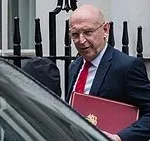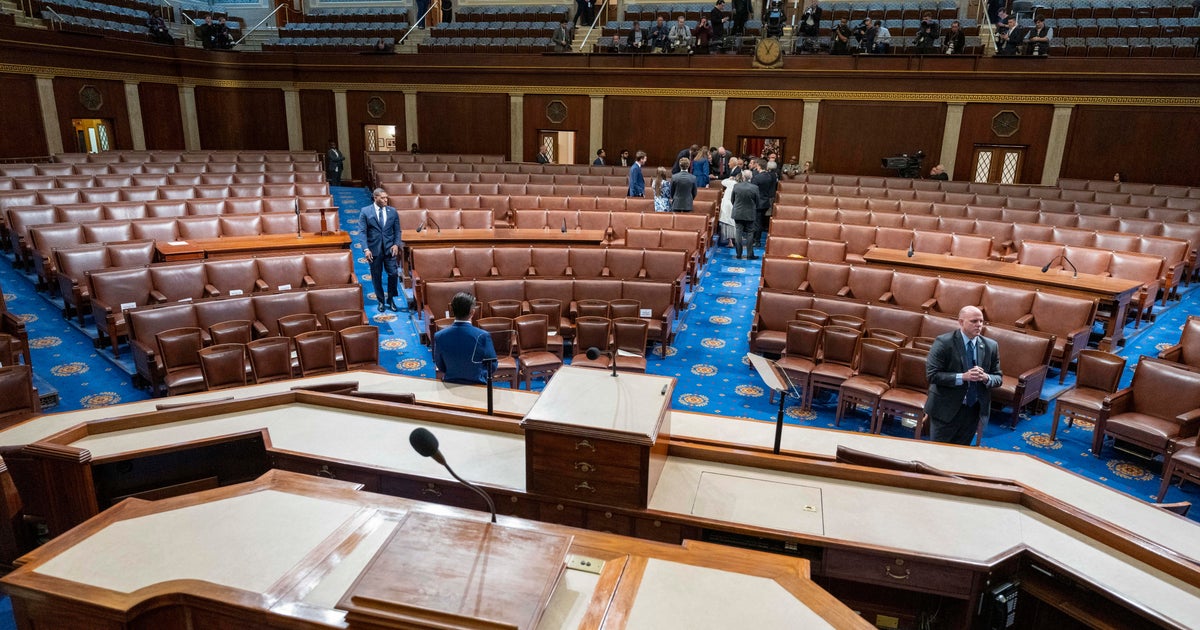
Home Secretary Shabana Mahmood is set to face parliamentary questioning regarding the ongoing issue of small boat crossings into the UK. The session comes amid heightened local tensions over asylum seeker accommodation and broader economic concerns, including unemployment figures and job vacancies.
Small Boats Crisis and Asylum Seeker Accommodation
The government’s approach to managing asylum seeker arrivals via small boats will be a central focus for MPs as Home Secretary Shabana Mahmood undergoes scrutiny. Officials are expected to discuss factors contributing to a reported decrease in crossings during the first half of the year. These factors are understood to include a reduction in demand from potential asylum seekers and intensified law enforcement efforts.
Meanwhile, local opposition to government plans for housing asylum seekers continues. In a rural Oxfordshire village, residents are preparing to hold a symbolic independence “referendum.” This event is a protest against proposals to house over 1,000 asylum seekers at a former military base near Piddington. The plan, which would see 1,256 male asylum seekers accommodated at the site, has reportedly generated significant concern among local residents regarding human rights, security, and their established way of life.
This symbolic vote follows a previous poll on July 4th, where 96% of Piddington voters supported the idea of holding an independence referendum. The upcoming vote aims to allow residents to formally their views on the village’s relationship with the UK in light of the government’s housing plans.
In parallel, private security personnel engaged by Reform-led Essex County Council have commenced patrols in three town centers. These patrols are a response to issues involving migrants being transported to these areas from a nearby accommodation facility.
Economic Indicators and Employment Concerns
The UK’s economic landscape is also under examination, with recent data revealing mixed signals. The national unemployment rate remained steady at 4.9% for the three months leading up to July. However, more up-to-date figures indicate a slowdown in job creation, with payroll numbers decreasing by 26,000 in August, following a similar drop of 19,000 in July. These figures are subject to potential revisions.
Shadow Work and Pensions Secretary Helen Whately MP has voiced criticism regarding the employment situation under the current government. She pointed to a persistent unemployment rate and a decline in both vacancies and payroll jobs, suggesting that government policies, including increased taxes and regulatory burdens, are hindering businesses’ ability to hire and create opportunities. Whately argued that these factors make securing stable employment more challenging for individuals.
Job Vacancies at a Five-Year Low
Official figures from the Office for National Statistics (ONS) highlight a significant decrease in job vacancies, reaching a five-year low. In the three months ending in August, the number of vacancies fell by approximately 8,000 compared to the previous quarter, settling at 702,000. This represents the lowest figure since the spring of 2021 and, excluding the pandemic period, the lowest in over a decade.
The ONS report indicates that small businesses are particularly cautious about hiring due to sustained pressures from rising wage costs. While regular average weekly earnings growth held firm at 3.5% in the three months to July, it continues to outpace inflation. When adjusted for the Consumer Prices Index (CPI), earnings saw a rise of 0.8%.
State Pension Outlook
Looking ahead, the state pension is projected to see a substantial increase next April. Official estimates suggest an annual rise of approximately £488, bringing the total to around £13,036.40 per year. This adjustment is guided by the government’s triple lock pension guarantee, which bases the annual increase on the highest of three metrics: average wage growth, inflation (CPI), or a 2.5% floor.
The latest data on average wage growth, which includes bonuses, showed a slowdown to 3.9% between May and July, according to the Office for National Statistics. This figure, while still a factor in the pension calculation, is lower than in previous periods.
Conclusion
As the Home Secretary prepares to address Parliament on the sensitive issue of small boat crossings, the UK is grappling with a complex interplay of immigration policy challenges, local community concerns, and evolving economic conditions. The reported decrease in crossings, coupled with ongoing debates about asylum seeker housing and a notable dip in job vacancies, paints a multifaceted picture of the nation’s current priorities and challenges.