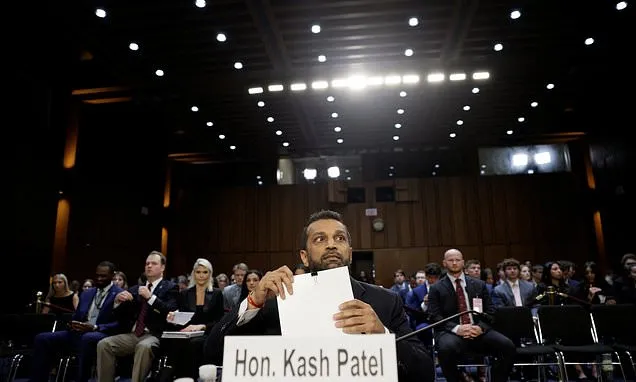
FBI Director Kash Patel faced intense questioning from senators on Tuesday regarding recent adjustments to the bureau’s applicant screening policies, most notably a change concerning admissions of bestiality. The exchange highlighted a broader debate about the FBI’s modernization efforts and its perceived political alignment.
FBI’s Stance on Bestiality in Hiring Policies
The controversy erupted during an exchange with Senator Dick Durbin, the leading Democrat on the Senate Judiciary Committee. Director Patel explained that the FBI revised its screening rules in June, stipulating that an admission of bestiality would no longer result in an automatic disqualification from consideration. Patel clarified the bureau’s intent, stating, “What we did was, we did not want to punish victims of bestiality, victims who were trafficked.” He emphasized that individuals who have been victims of such acts should not face automatic exclusion from the FBI. “We did not want to make it an automatic disqualification for the FBI to consider you if you are a victim of these awful, heinous acts,” Patel asserted. “They still have to go to the same rigorous standards and application process.”
This explanation prompted a pointed follow-up from Republican Senator John Kennedy of Louisiana. “Either side of bestiality?” Kennedy inquired, humorously adding, “So you disqualified the animal?” Director Patel responded, “Well, we have great canines, but we’re not going to disqualify them.” When pressed further by Kennedy about the rationale behind the policy change, Patel reiterated his earlier points about not penalizing victims.
Broader Oversight Hearing: Achievements vs. Criticisms
The discussion about bestiality occurred at the outset of a lengthy oversight hearing that also covered the FBI’s performance in combating crime and its internal reforms. While Director Patel and Republican members of the committee highlighted the bureau’s successes in areas such as violent crime reduction, drug trafficking interdiction, and cybercrime prevention, Democratic senators voiced strong criticisms.
Democrats, led by Senator Durbin, accused Patel of dismantling years of work aimed at modernizing and depoliticizing the FBI. Durbin characterized Patel as “the least qualified and most partisan FBI director in US history,” alleging that the bureau had been transformed into a “political weapon against President Trump’s political enemies.”
FBI’s Reported Successes Under Patel
Director Patel, conversely, focused on the FBI’s accomplishments during his tenure. He stated that the bureau “has been rebuilt to combat violent crime” and cited its preparedness for major events. “In the last year, the FBI prepared for the largest influx of tourists between the Club World Cup, two F1 races, [and] protected 300,000 Americans in the Olympics,” Patel reported. He proudly noted that “not one single security incident occurred at any single one of these events,” attributing this success to collaborative efforts with partner agencies.
Republican committee members, including Chairman Chuck Grassley, supported Patel’s narrative by presenting statistics on crime reduction. Grassley noted that “total criminal arrests are up 80 percent from 18 months ago, while violent crime arrests are up 90 percent,” concluding, “The numbers show that you’ve gotten the job done.”
Democratic Concerns Over FBI’s Direction
In stark contrast, Democratic senators used their allotted time to present a critical view of the FBI under the current administration. They contended that the bureau had been “weaponized” by Patel and other senior officials to target agents involved in investigations related to former President Donald Trump or the January 6, 2021, Capitol riot. This narrative echoed previous confrontations between Patel and Democratic senators during his confirmation hearings and prior oversight sessions.
During a previous hearing, Senator Richard Blumenthal had accused Patel of misleading the committee regarding assurances about not summarily dismissing agents involved in sensitive investigations. Similarly, Senator Adam Schiff had previously engaged in heated exchanges with Patel, calling him “the biggest fraud to ever sit in the United States Senate” and “an utter coward.” These past interactions underscored the deep partisan divisions surrounding the FBI’s leadership and operations.
Conclusion: Navigating Policy and Politics
The hearing underscored the significant challenges facing the FBI, balancing the need for effective law enforcement with public trust and political neutrality. Director Patel’s defense of the revised hiring policies, particularly concerning the handling of admissions of bestiality, aimed to demonstrate a commitment to not penalizing victims. However, this specific policy adjustment became a focal point for broader criticisms regarding the FBI’s direction and perceived politicization under his leadership, setting the stage for continued debate on Capitol Hill.