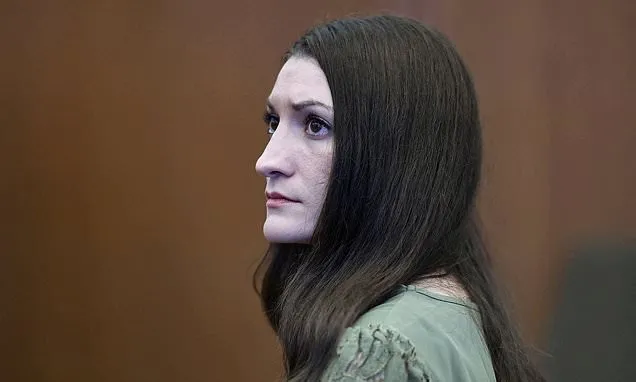
The lone juror whose dissent led to a mistrial in the high-profile Lindsay Clancy murder case did not allow his religious beliefs to influence his decision-making, according to his brother. The juror, who has remained publicly anonymous, reportedly stood firm in his assessment of the evidence, ultimately preventing a unanimous verdict in the case involving the mother accused of killing her three young children.
Juror’s Stance on Evidence
The brother of the holdout juror shared that his sibling meticulously reviewed the case, considering all presented evidence before reaching his conclusion. “He looked at the case, and he made the call,” the brother stated, emphasizing a commitment to the judicial process. “For me, that’s how I would do it. I would just listen to the case with all the evidence, and go from there.” This approach underscores a dedication to evaluating the facts independently, rather than being swayed by external pressures or personal convictions.
Family Impact and Public Scrutiny
The aftermath of the mistrial has profoundly impacted the juror’s family. His brother described their lives as having been “turned upside-down” since the trial concluded on September 4 with an 11-1 deadlock. The family, described as devoutly Catholic and of Haitian descent, has faced intense harassment and scrutiny. “My family cannot leave the house,” the brother revealed, detailing relentless phone calls and notes left at their mother’s residence. “People have been calling me like crazy. It’s crazy.” He expressed distress over the situation, stating, “They are leaving notes at my mother’s house. They won’t leave us alone and we don’t know anything.”
The juror’s brother also acknowledged the divisive nature of the outcome. “The decision had sharply divided public opinion,” he conceded, adding, “it was ‘good for some people, but not good for other people.'” He expressed shock at his brother’s involvement, noting that the family was unaware of his participation in the Clancy case until the trial’s conclusion. “We didn’t know, that’s why I was shocked,” he told reporters. “He didn’t tell us anything.”
The Lindsay Clancy Case Background
Lindsay Clancy was charged with murder following the deaths of her three children: Cora, five; Dawson, three; and eight-month-old Callan, in January 2023. The defense argued that Clancy was suffering from severe postpartum psychosis and was overmedicated at the time of the children’s deaths. Clancy herself admitted to strangling the children with exercise bands. Jurors deliberated for nearly a week before the trial ended in the controversial mistrial.
The case ignited a national conversation regarding criminal liability for individuals experiencing severe mental health crises, particularly postpartum psychosis. Prosecutors have not yet announced whether they intend to retry Clancy.
Questions Surrounding Juror’s Background
Following the mistrial, reports emerged regarding the holdout juror’s past legal troubles. These reports indicated that the juror had faced charges of domestic violence in 2021, though the charges were ultimately dropped, and he was not prosecuted. Further allegations surfaced in 2025, claiming he attacked his nephew, pushing him to the ground and striking him, according to restraining order documents. This incident also did not result in prosecution.
These past allegations have raised questions about how the juror was selected for the trial, as prospective jurors are typically required to disclose any prior arrests or criminal charges. The juror’s divorce following the 2021 incident was also mentioned in reports.
Community Perceptions of the Juror
Despite the controversies surrounding his past, individuals close to the juror have offered positive character assessments. The owner of a local garage described him as a “really nice guy” and a regular at the local church. This individual recounted an instance where the juror paid for a woman’s gas when she was unable to afford it, highlighting his generosity. The garage owner also mentioned that the juror had recently remarried and that his new wife had commented on the intense media attention, indicating they planned to “lay low for a while.”
Conclusion
The brother’s statements aim to clarify that the holdout juror’s decision was based on his interpretation of the evidence presented during the Lindsay Clancy trial, rather than his religious faith. The intense public reaction and harassment faced by the juror’s family underscore the emotional weight and societal divisions surrounding the case. As prosecutors consider their next steps, the legal proceedings continue to be a focal point of public attention.