[ad_1]
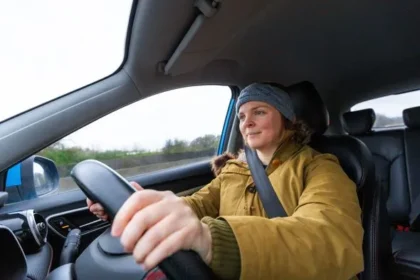
Each time you get behind the wheel, your automotive is amassing knowledge about you. The place you go, how briskly you’re driving, how exhausting you brake, and even how a lot you weigh.
All of that knowledge is just not usually accessible to the automobile proprietor. As a substitute, it’s gated behind safe restrictions that stop anybody apart from the producer or approved technicians from accessing the knowledge. Automakers can use the identical digital gates to lock homeowners out of creating repairs or modifications, like changing their very own brake pads, with out paying a premium for producer service.
The Restore Act, a chunk of pending laws mentioned in a subcommittee listening to on the US Home of Representatives on Tuesday, would mandate that a few of that collected knowledge be shared with the automobile homeowners, particularly the bits that may be helpful for making repairs.
“Automakers try to make use of the sort of advertising benefit of unique entry to this knowledge to push you to go to the dealership the place they know what triggered this data,” Nathan Proctor, senior director of the marketing campaign for the best to restore at PIRG, says. “Restore would really be faster, cheaper, extra handy if this data was extra broadly distributed, however it’s not.”
Right now, the US Home’s Committee on Vitality and Commerce held a listening to known as (deep breath) “Analyzing Legislative Choices to Strengthen Motor Car Security, Guarantee Shopper Alternative and Affordability, and Cement US Automotive Management.” The session lined potential laws about enhancing highway security, regulating autonomous autos, and serving to individuals defend their catalytic converters from theft.
The listening to took on a contentious tone when the dialogue turned to the Restore Act. The Home invoice, launched in early 2025 by Florida consultant Neal Dunn and Washington rep Marie Gluesenkamp Perez, requires automakers to offer automobile homeowners and third-party restore retailers entry to telemetry, or the power to entry all the info collected by fashionable autos. The act has been supported by organizations representing automobile suppliers, in addition to auto care retailers.
Invoice Henvy, CEO of the Auto Care Affiliation, who has lengthy known as for automakers to share automobile proprietor’s knowledge, testified within the listening to to say that the risk to homeowners’ knowledge has been rising over the previous decade.
“The necessity for the Restore Act is important and actual,” Hanvey mentioned within the listening to, calling in the present day’s autos primarily computer systems on wheels that produce knowledge that producers then gate off to dam customers from accessing. “Make no mistake about it, automakers unilaterally management the info, not the proprietor of the automobile. It could be your automotive, however at present it’s the producer’s knowledge to do with no matter they select.”
The Restore act has been opposed by automobile producers and automotive dealerships, who cite issues about their mental property being utilized by third events. They are saying they’ve performed sufficient to make their knowledge and instruments accessible, and that if you must get your automotive mounted, it’s not too exhausting to seek out anyone approved to peek inside its digital mind.
“Car homeowners ought to be capable of get their autos mounted wherever they need,” mentioned Hilary Cain, Senior Vice President of Coverage on the automaker business group Alliance for Automotive Innovation, in testimony on the listening to. “The excellent news is that automakers already present impartial repairs with all the knowledge, instruction, instruments, and codes essential to correctly and safely repair a automobile.”
Cain says in the end automakers assist a complete federal right-to-repair regulation, albeit one which protects firm mental property and, “doesn’t power automakers to supply aftermarket elements producers or auto elements retailers with knowledge that isn’t essential to diagnose or restore a automobile.”
[ad_2]