[ad_1]
Punch, a younger Japanese macaque at Ichikawa Metropolis Zoo in Japan, entered the world with out the safety most primate infants rely upon. As The Guardian studies, his mom rejected him shortly after beginning throughout a interval of maximum summer season warmth. Consultants cited in that report notice that first-time moms beneath environmental stress generally abandon offspring to protect their very own survival and future reproductive possibilities.
Zoo employees waited to see if one other feminine would step in. When nobody did, they intervened.
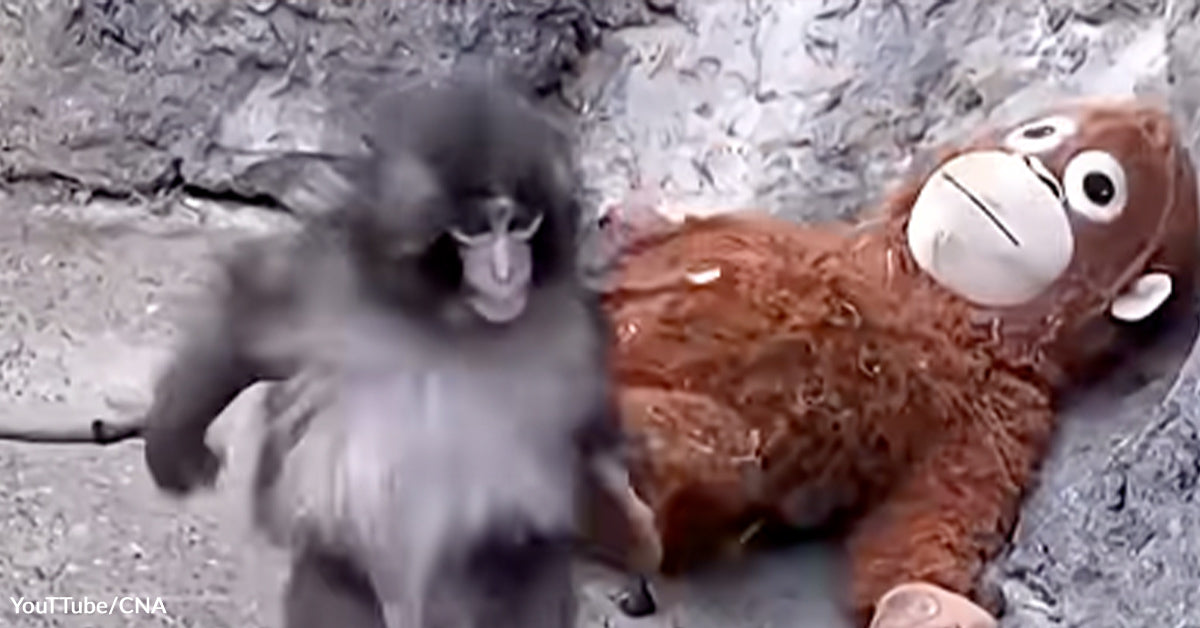
Based on the Pensacola Information Journal, keepers separated Punch briefly and hand-reared him to stabilize his well being. They launched rolled towels for him to cling to, mimicking the fixed bodily contact macaque infants depend on. Finally, they provided a luxurious orangutan toy. Punch latched on instantly.

YouTube/CNA
Punch was rejected by his mom shortly after beginning.
The Science of Attachment and Consolation Objects
Toddler macaques cling to their moms not just for milk however for safety and muscle improvement. With out that anchor, Punch bonded to the toy instead attachment determine. Defector connects this habits to a long time of primate analysis displaying that contact and softness matter deeply in early improvement.
Trendy neuroscience reinforces that perception. Research cited in Defector describe how each toddler and mom macaques reply to comfortable textures, with consolation objects generally used to ease misery in analysis settings. Attachment just isn’t sentimental projection. It’s biology.

YouTube/CNA
Zookeepers stepped in after no different feminine adopted him.
Monkey Mountain and Social Hierarchy
When Punch reentered the troop in January, movies of him being dragged by an grownup macaque ignited world outrage. Newsweek studies that the incident occurred throughout monitored reintegration coaching. Zoo officers clarified that what appeared violent was probably a type of self-discipline frequent in macaque society.
Japanese macaques reside in strict matrilineal hierarchies. Rank shapes entry to meals, grooming, and alliances. With out maternal steerage, Punch should be taught subordinate cues on his personal. Behavioral specialists cited by The Guardian notice that aggression towards juveniles will be a part of peculiar social negotiation quite than focused cruelty.
Later footage confirmed grooming and play. The Pensacola Information Journal reported that no single monkey has changed his mom, however a number of troop members work together with him. Integration seems gradual, not dramatic.

YouTube/CNA
Punch was briefly hand-reared earlier than reintegration.
Viral Fame and Primate Welfare Dangers
Punch’s picture unfold worldwide. Crowds surged on the zoo. Social media speculated about adoption or removing.
However as Newsweek particulars, specialists warn that isolation would probably trigger deeper psychological hurt than managed publicity to troop dynamics. Japanese regulation additionally restricts personal possession of macaques, and specialists agree that primates raised by people wrestle to develop species-typical abilities.
Conservation psychologists cited by The Guardian warning that viral cuteness can gas unique pet demand. Macaques mature shortly. They turn out to be robust, territorial, and unsuitable for personal houses.
Past One Monkey
Punch’s survival displays each the bounds and realities of captivity. Within the wild, an deserted toddler would probably die. In a zoo, he receives medical care and structured social reintroduction.
But Defector reminds readers that macaques are additionally closely utilized in biomedical analysis worldwide. Emotional misery in primates just isn’t uncommon. It’s typically hidden.
Punch clings much less to his toy now. He performs. He approaches others once more after setbacks.
His story raises exhausting questions on captivity, conservation, and the way shortly public sympathy can flip into misplaced options. Monkeys belong with monkeys. Their futures rely not on viral moments, however on considerate, species-centered care.
Click on beneath to make a distinction.
[ad_2]